
As an Amazon Associate I earn from qualifying purchases.
Want a trail-ready pair of shoes that won’t drain your wallet? You’re in the right place.
Our top picks for the best affordable budget friendly hiking shoes will have you ready for any trail without breaking the bank. Don’t miss out! 10 Top Budget Friendly Hiking Shoes for Nature Lovers—Your Ultimate Guide to Budget Friendly Hiking Shoes!
Here’s how we define “budget”: pairs that generally land around or under $100, with a few worth-it picks slightly above. Prices shift often, so always check the current listing.
Budget Friendly Hiking Shoes For Women
Our Quick Picks at a Glance
In a hurry? Here’s the short version. Choosing women’s hiking footwear is a balance of fit, function, and value. These picks offer tailored arch support and protective materials at a fraction of the cost of high-end outdoor brands.
- Best Overall: Merrell Moab 2 Ventilator
- Best for Day Hikes and Agility: Columbia Redmond V2
- Best for Casual Weekend Walks: Northside Women’s Monroe Low
- Best for Hot Weather and Fast Hikes: Eddie Bauer Women’s Klamath
- Best for Rain and Mud: CAMELSPORTS Women’s Waterproof Hiking Shoes
Quick Comparison: Top Budget-Friendly Hiking Shoes at a Glance
| Product Name | Best For | Waterproofing | Key Material | Weight (Approx. Per Pair) |
| Merrell Moab 2 Ventilator | Warm weather & hot trails | No (Highly Breathable) | Suede Leather & Mesh | 2.0 lbs |
| Columbia Redmond V2 | All-around agility & day hikes | Optional (Omni-Tech available) | Suede, Mesh & Webbing | 1.8 lbs |
| Northside Monroe Low | Casual weekend walks & value | No | Textile & Leather | 1.9 lbs |
| Eddie Bauer Klamath | Fast-paced hikes needing light ankle stability | No (High Ventilation) | Performance Mesh | 1.7 lbs |
| CAMELSPORTS Lightweight | Muddy, wet, and rainy conditions | Yes | High-Abrasion Mesh & Rubber | 1.9 lbs |
[amazon table=”10517″]

The Best Budget Hiking Shoes You Need for Your Next Adventure
Planning a hiking trip? Then you already know the right gear matters. And one of the most crucial pieces is a good pair of hiking shoes.
But with so many options out there, finding the right pair without overspending can feel overwhelming. That’s why we’ve compiled a list of the best budget hiking shoes that deliver comfort and durability without costing a fortune.
What Makes a Hiking Shoe “Budget Friendly”?
Budget hiking shoes typically cost under $100. Cheaper doesn’t mean bad. It does mean brands made some trade-offs to hit that price.
Knowing where corners get cut helps you pick the right pair for your hikes:
- Durability: Heel padding and outsoles tend to wear faster than on premium shoes. Reinforced toe areas are the best place to look for lasting value.
- Cushioning: Budget midsoles often absorb a little less shock, which you may feel on long, rocky descents.
- Traction: Lugs on cheaper shoes are often a bit shallower, so they shine on moderate, well-kept trails more than on deep mud or loose scree.
- Waterproofing: True waterproof shoes with a premium membrane such as Gore-Tex rarely fall under $100. Waterproof budget options usually rely on in-house membranes.
The good news? Many budget shoes are actually lighter than premium ones. For casual hikers and day-trippers, that’s a fair trade.
Why Choosing the Right Hiking Shoes Is Important
When it comes to hiking, your feet are your most important asset. They carry you through every mile, so taking good care of them is crucial.
The right pair of hiking shoes can prevent blisters, provide ankle support, and give you the stability you need on challenging terrain.
So choose a pair that is budget-friendly, fits well, and has the right features for your hikes. Your knees and your blisters will thank you.
Hiking Shoes vs. Trail Runners vs. Hiking Boots
Not sure which style fits you? Here’s the quick breakdown:
- Hiking shoes: Low-cut, lighter than boots, and more supportive than sneakers. A great middle ground for day hikes and established trails.
- Trail runners: Lightest and most cushioned, but they usually offer less protection and durability.
- Hiking boots: Taller with more ankle support and protection, but heavier and often pricier.
If you stick to maintained trails and don’t have weak ankles, a hiking shoe is usually more comfortable than a boot. It’s also easier on your budget.
Factors to Consider When Buying Budget Hiking Shoes
When buying budget hiking shoes, keep these key factors in mind before you click “buy”:
- Comfort Fit: Your hiking shoes should fit comfortably, with enough room for your feet to move and breathe. Make sure to try on shoes with the same type of socks you’ll be wearing on your hike. Walk around the store to ensure a good fit.
- Terrain Adaptability: Consider the type of terrain you’ll be hiking on. Will you be on rocky trails? Will you be crossing rivers? Knowing the terrain type can help you determine the level of support and durability you’ll need in your hiking shoes.
- Waterproofing Capabilities: If you’re hiking wet, waterproof shoes help keep your feet dry. But waterproof membranes also trap heat. For hot, dry trails, a breathable non-waterproof shoe is often more comfortable.
- Weight Management: The weight of your hiking shoes can make a significant difference, especially on long hikes. Lightweight shoes make your trek more manageable, while heavier shoes provide more support and protection.
- Intended Application: Are you planning day hikes or overnight backpacking trips? The intended use of your hiking shoes can also affect your shoe type. Heavier packs call for a firmer, more supportive midsole.
- Traction and Lugs: Deeper, wider-spaced lugs grip loose dirt and mud. Shallower, closer lugs suit hard-packed trails and flat rock.
- Toe Protection: Rocky or thorny trails call for a sturdy toe cap or rubber wrap. It also helps your shoes last longer.
How to Get the Right Fit (Without Overspending)
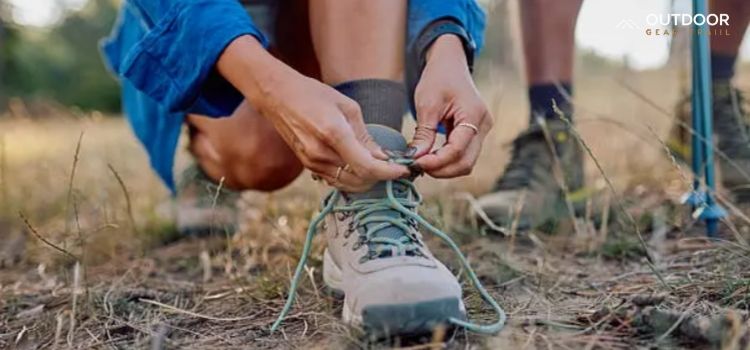
Even the best budget shoe fails if it doesn’t fit. A few simple checks can save you from a painful first hike:
- Leave toe room. Your toes shouldn’t touch the front when laced up.
- Check for heel slip. If your heel lifts up and down, expect blisters on longer hikes.
- Size up if you’re in between. Feet swell over a long day on the trail.
- Fine-tune with socks and insoles. A thicker insole can add cushion and arch support, or reduce extra volume.
- Check the return policy. Buying online? Order a size or two to compare, and send back what doesn’t work.
Top 5 Best Budget Friendly Hiking Shoes Reviews
Let’s dive into our top picks for the best budget hiking shoes. We chose them for affordability, functionality, and overall performance on the trail.
[Add 1–2 sentences here about your own hands-on testing or research method. Readers and Google both reward firsthand experience.]
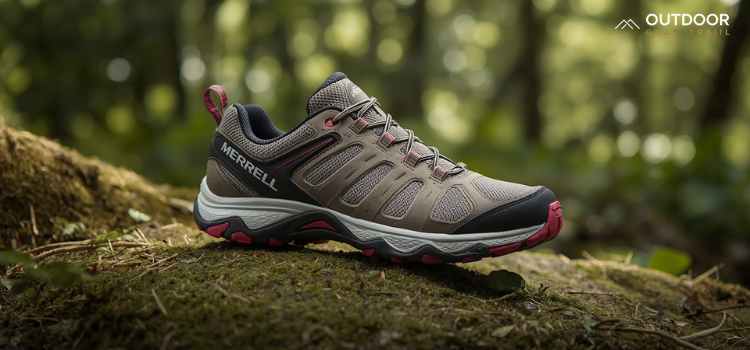
1. Merrell Moab 2 Ventilator
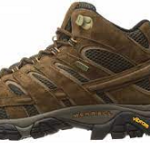
Starting our list is the Merrell Moab 2 Ventilator. This shoe has been an outdoor favorite for years, and for good reason. It’s lightweight, comfortable, and grips well on varied terrain.
A waterproof option exists for wetter hikes. With prices ranging from about $70 to $110, it offers unbeatable value for its quality.
A Comprehensive Review
The Merrell Moab 2 Ventilator is popular for its comfort, durability, and breathability. Known as the “Mother of All Boots,” it keeps your feet cool on the trail, making it ideal for warm-weather hiking and extended outdoor activities.
Here’s what makes it a standout hiking shoe.
Key Features
- Breathable Upper Material: The upper is made from suede leather and mesh, providing excellent ventilation and durability. This design ensures your feet stay cool and dry during warm-weather hikes.
- Anatomical Interior Padding: A removable, contoured EVA footbed with zonal arch and heel support provides superior comfort and stability.
- Vibram® TC5+ Outsole Platform: The high-performance Vibram® outsole offers excellent traction on various surfaces, with 5mm lug depth.
- Lightweight Structural Flexibility: At roughly 2 pounds per pair, the Moab 2 Ventilator reduces fatigue on long hikes while allowing natural foot movement.
- All-Day Comfort Enhancements: The padded collar and tongue help prevent chafing, while the breathable mesh lining wicks away moisture.
Pros
- Excellent breathability and ventilation.
- Durable construction with a protective toe cap.
- Comfortable fit with a contoured footbed and added arch support.
- High-traction Vibram® outsole with 5mm lugs.
- Lightweight and flexible design for natural movement.
- Padded collar and tongue for added comfort.
Cons
- Not waterproof, so it is better suited for dry conditions.
- Limited ankle support compared to mid-cut or high-cut boots.
- May require a break-in period for optimal comfort.
Who Should Buy the Merrell Moab 2 Ventilator?
It’s ideal for hikers who want a comfortable, breathable, and durable hiking shoe. It’s especially well suited to warm-weather hikes and dry trails where airflow matters most.
Pro tip: Merrell’s newer Moab 3 is also widely praised for its supportive arch, Vibram traction, and wide, stable base. It costs more, but it’s worth watching for sales.
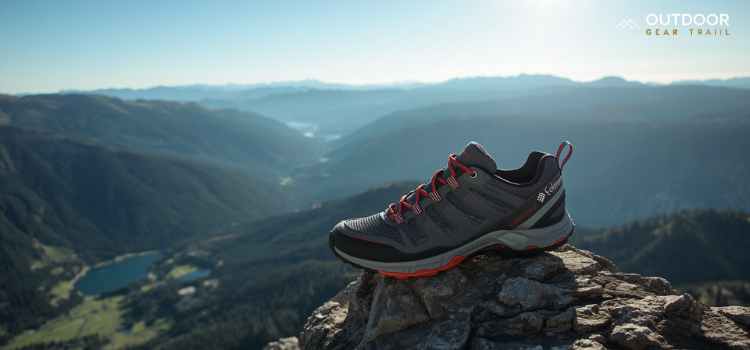
2. Columbia Redmond V2
Next up is the Columbia Redmond V2. It’s sleek and stylish while still packing the features you need for a great hike.
The rubber sole grips well, and the lightweight midsole cushions long trips. At roughly $60 to $90, it’s a great budget option for style and comfort.
A Comprehensive Review
The Columbia Redmond V2 is a versatile and reliable hiking shoe built for comfort, support, and durability. Its lightweight design and solid traction make it a dependable choice for all kinds of outdoor adventures.
It’s also a highly comfortable hiking shoe that feels almost like a trail runner.
Key Features
- Heavy-Duty Compound Construction: The upper is made from suede leather, mesh, and webbing, ensuring durability and breathability.
- Techlite™ Cushioning System: The lightweight Techlite™ midsole provides long-lasting comfort, cushioning, and energy return over long distances.
- Omni-Grip™ Advanced Outsole: The non-marking rubber outsole has an aggressive tread pattern for traction on both wet and dry surfaces.
- Agile Chassis Layout: Lightweight construction reduces fatigue and allows natural foot movement on uneven terrain.
- Element Protection Options: A reinforced toe cap guards against debris, and a premium Omni-Tech™ waterproof breathable version is available.
Pros
- Durable construction with a protective toe cap.
- Comfortable fit with Techlite™ midsole and cushioned insole.
- Excellent traction with the Omni-Grip™ outsole.
- Lightweight and flexible design.
- Available in a waterproof version.
- Breathable materials for added comfort.
Cons
- Limited ankle support compared to mid or high-cut boots.
- May require a break-in period for optimal comfort.
- Not as rugged as some other hiking shoes for extreme terrains.
Who Should Buy the Columbia Redmond V2?
It’s ideal for anyone who wants a reliable, comfortable, trail-runner-style shoe for mixed terrain. Its light weight makes it an exceptional pick for day hikes and weekend adventures.
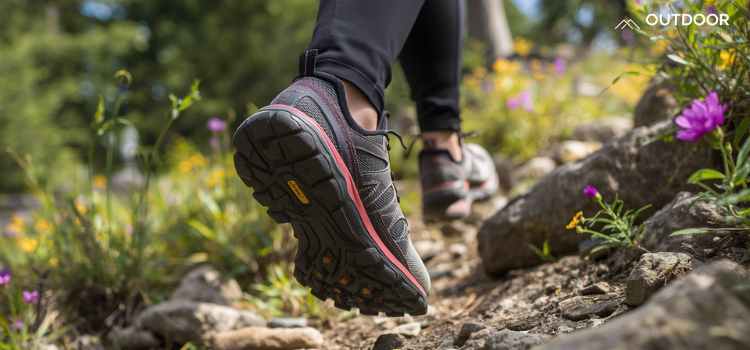
3. Northside Women’s Monroe Low Hiking Shoe
Want a stable trail foundation without the inflated price tag? The Northside Monroe Low delivers. Its balanced leather-and-textile upper stands up to abrasion from underbrush.
It’s a practical, no-nonsense option for casual hikers and weekend trail excursions.
A Comprehensive Review
The Northside Women’s Monroe Low pairs simple, practical construction with real-world trail performance. Traditional leather durability meets modern synthetic paneling for a secure heel lock and stable footing on unpaved paths.
It also pairs well with trail apparel, such as specialized women’s hiking leggings with pockets.
Key Features
- Textile and Genuine Leather Upper: Combines durability with lightweight flexibility to resist punctures from trail rocks.
- Convenient Maintenance Layout: Materials designed for easy machine washing keep your shoes fresh after muddy treks.
- Rugged Synthetic Sole: An engineered multi-lug compound provides dependable baseline traction.
- Contoured Cushioning Platform: A soft interior footbed reduces trail impact on your arches.
- Secure Heel-Lock Lacing: Structural eyelets pull the upper snugly around your foot to limit sliding.
Pros
- Durable textile and leather upper.
- Easy to clean thanks to machine-washable materials.
- Secure heel-lock lacing reduces sliding.
- Soft, contoured footbed for arch comfort.
- Great value for casual hikers.
Cons
- Not waterproof.
- Baseline traction is better suited to maintained trails than rugged terrain.
- May require a short break-in period.
Who Should Buy the Northside Women’s Monroe Low?
This shoe is made for beginner hikers or casual outdoor enthusiasts who frequent well-maintained local trails and state parks. It’s a smart choice if you value easy upkeep and a low upfront cost.
4. Eddie Bauer Women’s Klamath Hiking Sneaker
The Eddie Bauer Klamath brings classic trail heritage into a modern, nimble sneaker design. It’s a low-profile alternative to heavy boots that keeps you moving efficiently on fast-paced day hikes.
It’s a reliable pick if you’re moving from city running paths to backcountry dirt routes.
A Comprehensive Review
The Eddie Bauer Women’s Klamath moves like a running sneaker but protects like a hiking shoe. A mid-rise shaft and high-performance mesh shed moisture and heat fast.
It also looks great with technical outdoor clothing like best hiking jackets womens.
Key Features
- High-Performance Mesh: Promotes constant airflow across the top of your foot to help prevent hot spots.
- 3.74-Inch Protective Shaft: An optimized collar height gives your ankle structure over uneven roots.
- Multi-Terrain Lug Array: Deep directional channels shed mud quickly.
- Reinforced Synthetic Mudguard: A perimeter overlay deflects ground moisture and scrapes from underbrush.
- Impact-Absorbing Midsole Core: A lightweight foam platform delivers comfortable, responsive energy return.
Pros
- Highly breathable mesh keeps feet cool.
- Ultra-light and nimble on the trail.
- Mid-rise shaft adds ankle stability.
- Deep lugs shed mud.
- Reinforced mudguard protects against scrapes.
Cons
- Not waterproof, so it isn’t ideal for wet trails.
- Mesh offers less protection from debris than leather.
- The fit may be too wide for those with narrow feet.
Who Should Buy the Eddie Bauer Women’s Klamath?
The Klamath is ideal for fast-packers and day hikers who want ultra-light weight and top-tier ventilation. It’s perfect for summer trails, where keeping your feet cool helps prevent blisters.
5. CAMELSPORTS Women’s Hiking Shoes Waterproof Lightweight
When unpredictable weather or muddy paths get in your way, the CAMELSPORTS Waterproof shoe brings the dry comfort you need. It packs reliable weatherproofing into an entry-level price.
Waterproof shoes under $100 are rare, which makes this one a real find for hikers who won’t let a rainy forecast cancel their plans.
A Comprehensive Review
The CAMELSPORTS Women’s Hiking Shoe is built around a water-resistant interior liner that blocks water while letting sweat vapor escape. A true rubber outsole and an integrated toe shield add protection from trail hazards.
That makes it a versatile, high-value addition to any outdoor lover’s hiking shoes collection.
Key Features
- True Rubber Outsole Compound: Slip-resistant rubber delivers solid grip on wet rock.
- Integrated Waterproofing Membrane: A sealed lining designed to handle shallow creek crossings.
- High-Abrasion Mesh Fabric: An exterior shell that balances light weight with tear resistance.
- Ergonomic Removable Sockliner: An adaptable insert that absorbs shock and supports natural heel alignment. It’s also easy to swap for your own insole.
- Impact-Deflecting Toe Box: An extended rubber wrap protects your toes from accidental rock stumbles.
Pros
- Waterproof protection at a budget price.
- True rubber outsole for wet-rock grip.
- Protective rubber toe wrap.
- Removable sockliner for a custom fit.
- Lightweight, high-abrasion mesh.
Cons
- Waterproof lining can feel warm in hot weather.
- Less established than big-name brands, so check recent buyer reviews.
- May require a break-in period for optimal comfort.
Who Should Buy the CAMELSPORTS Waterproof Hiking Shoe?
This is the pick for hikers facing rainy microclimates, muddy spring trails, or routes with light water wading. You get all-weather confidence without a premium price.
More Budget Hiking Shoes Worth a Look
Want more options? These shoes are also frequently recommended around the $80–$110 mark (prices vary by retailer and color):
- Columbia Crestwood: A sneaker-like, lightweight shoe with solid traction. Great for casual hikers, though it isn’t waterproof.
- Merrell Accentor 3: Supportive, roomy in the toe box, and a good performer in cooler weather. It runs warm in summer.
- Merrell Tempo Sol: A light, flexible shoe with good durability for its price. Not the most breathable.
- adidas Terrex Anylander Rain.Rdy: A stable, grippy, water-resistant option. The toe box can feel snug.
How to Make Your Budget Hiking Shoes Last
A little care goes a long way. Try these habits:
- Brush off mud and let your shoes air-dry away from direct heat.
- Rotate pairs if you hike often.
- Reapply a water-repellent spray on leather or fabric uppers when water stops beading.
- Check the outsole and heel padding regularly for wear.
As a rough guide, lightweight shoes often last around 300 to 500 miles. Sturdier leather designs can go further. Replace yours when the tread is worn flat, the cushioning feels dead, or your feet start to ache.
Money-saving tip: Want waterproof shoes with a premium membrane? They rarely cost under $100 at full price, so watch for seasonal sales and clearance deals.
Conclusion
Finding the right budget friendly hiking shoes can transform your hiking experience. Whether you’re trekking rocky paths or strolling a local park, the right budget friendly hiking shoes will offer comfort and support.
High-value options like the Merrell Moab 2 or the Columbia Redmond V2 prove you don’t have to compromise on safety, grip, or quality to protect your feet and your wallet.
Match your choice to your trail conditions, lace up, and step confidently into your next big outdoor adventure!
Hiking Shoes: Top Affordable Hiking Shoes (Guide to Purchasing)
Prefer to watch? Check out Ultimate Guide: The Top 10 Inexpensive Hiking Shoes for Lovers of the Great Outdoors! Video The Ultimate Guide: The Top 10 Inexpensive Hiking Shoes for Lovers of the Great Outdoors!
FAQ
1. Which Cheapest Hiking Shoes Are the Most Comfortable?
The Merrell Moab 2 Ventilator is known for its exceptional comfort, thanks to its contoured footbed, padded collar, and breathable lining.
2. Can I Hike in My Trail Running Shoes?
Hiking is best done without trail-running shoes on rugged terrain, because they generally don’t provide as much durability and support as hiking shoes. On smooth, well-kept trails, many hikers do wear them for the lighter weight and extra cushioning.
3. How Much Traction Do My Hiking Shoes Need to Have?
Your traction and the terrain you will be trekking on will determine how much traction your hiking shoes need. Rugged, rocky terrain calls for Vibram outsoles and aggressive lugs, while hard-packed trails do fine with shallower, closely spaced lugs.
4. How Long Do Budget Hiking Shoes Typically Last?
The lifespan of a hiking shoe depends on the brand, materials, terrain, and how often you wear them. Generally, hiking shoes last roughly 300 to 500 miles for lightweight designs, and longer for sturdier leather ones.
5. Is It OK to Wear Hiking Shoes Everyday?
Yes. Some hiking shoes are designed with everyday comfort in mind, and certain models have a multipurpose design. Just remember that wearing them daily can reduce their lifespan.
6. Is it Better to Purchase Hiking Shoes Online or Offline?
It’s always best to try hiking shoes on before buying. That said, if you already know your ideal size in a particular brand, shopping online can be a great deal. Check the return policy first.
7. Are Low-Cost Hiking Shoes Fit for Extended Hikes?
Many are, as long as the fit is right and the shoe suits your terrain. Care for your budget friendly hiking shoes properly to ensure they provide lasting comfort and support on every hike. For multi-day trips or heavy packs, choose a firmer, more supportive model.
8. Can I Change My Hiking Shoes’ Insoles?
Yes. Swapping in a thicker or more supportive insole can add cushioning, improve arch support, and reduce extra space inside the shoe. Consider your foot shape and intended use when picking one.
9. Are There Waterproof Hiking Shoes Under $100?
They exist, but they’re rare. Most premium waterproof membranes appear on shoes above that price, so look for sales or in-house waterproof linings.
10. Do I Need Waterproof Hiking Shoes?
Not always. They help in rain, wet grass, and cool-weather hikes, but they trap heat. For hot, dry trails, a breathable non-waterproof shoe is often more comfortable.
11. Should I Size Up for Hiking Shoes?
If you’re between sizes, go up. Feet swell during long hikes, and your toes shouldn’t touch the front of the shoe when laced.
Read More: Discover The 10 Best Hiking Shoes for Bunions and Conquer the Trails!
As you set out on your next adventure, make sure your budget friendly hiking shoes are ready to go!