As an Amazon Associate I earn from qualifying purchases.
The outdoors offers something that modern life often lacks—fresh air, peaceful surroundings, and the opportunity to reconnect with nature. Whether you’re planning your first hike, considering a weekend camping trip, or simply seeking healthier ways to spend your free time, getting outside is one of the best investments you can make in your physical and mental well-being.
Many beginners feel overwhelmed before their first outdoor adventure. Questions like What gear do I need?, Is hiking safe?, or How do I choose the right trail? are completely normal. The good news is that you don’t need years of experience or expensive equipment to start enjoying nature.
This Beginner’s Guide to the Outdoors will walk you through everything you need to know—from choosing your first outdoor activity and packing the right gear to staying safe, respecting wildlife, and building confidence on every adventure.
Whether your goal is hiking local trails, camping with family, or preparing for bigger adventures in the future, this guide will help you get started the right way.
Exploring nature isn’t just enjoyable—it also provides measurable health benefits. Spending time outdoors encourages movement, reduces daily stress, and helps improve focus. Even a short walk through a local park can leave you feeling more refreshed and energized.
Here are just a few reasons to spend more time outside:
Improves cardiovascular health
Reduces stress and anxiety
Boosts mood and mental clarity
Encourages regular physical activity
Improves sleep quality
Builds confidence through new experiences
Creates opportunities to connect with family and friends
Unlike many indoor workouts, outdoor adventures combine exercise with exploration, making it easier to stay active while enjoying the natural world.
One of the biggest mistakes beginners make is trying to do too much too soon. You don’t need to climb mountains or spend a week in the wilderness to enjoy the outdoors. Start with activities that match your fitness level and comfort zone.
Hiking
Hiking is one of the easiest ways to begin exploring nature. Look for well-marked trails that are short, relatively flat, and suitable for beginners. Many local parks offer scenic routes that require minimal experience.
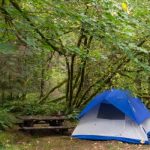
Camping introduces you to outdoor living while teaching valuable skills such as setting up a tent, preparing meals outdoors, and adapting to changing weather conditions.
For your first camping trip, choose a campground that offers restrooms, drinking water, and designated campsites. These amenities make the experience much more comfortable for beginners.
If you’re still building your camping gear collection, renting equipment for your first trip can help you decide what works best before making larger purchases.
Nature Walks
Nature walks are perfect for those who want to enjoy the outdoors without committing to a long hike. Botanical gardens, wildlife refuges, and local parks offer excellent opportunities to observe plants, birds, and natural landscapes while improving your fitness.
Nature walks are also a great way to practice trail etiquette and navigation skills before attempting longer adventures.
Fishing
Fishing combines relaxation with outdoor exploration. It teaches patience, observation, and an appreciation for aquatic ecosystems. Many public lakes and rivers provide beginner-friendly fishing opportunities.
Before fishing, check local regulations regarding licenses, catch limits, and seasonal restrictions.
Wildlife Photography
You don’t need expensive camera equipment to start photographing nature. Modern smartphones can capture beautiful landscapes and wildlife from a safe distance.
Remember to respect wildlife by observing animals without disturbing their natural behavior.
Essential Outdoor Gear for Beginners
One of the most common misconceptions is that outdoor adventures require expensive equipment. In reality, beginners only need a few reliable essentials to stay comfortable and safe.
Dress in layers instead of wearing one heavy jacket. Layering allows you to adjust to changing temperatures throughout the day.
A simple layering system includes:
Moisture-wicking base layer
Lightweight insulating layer
Waterproof outer shell
Avoid cotton clothing because it absorbs moisture and dries slowly.
Proper Footwear
Your shoes are one of the most important investments for outdoor activities. A comfortable pair of hiking shoes or lightweight hiking boots provides better grip, stability, and support than regular sneakers.
A backpack between 20 and 30 liters is ideal for most day hikes. It provides enough space for water, snacks, extra clothing, and emergency supplies without becoming too heavy.
Choose a backpack with padded shoulder straps and a comfortable waist belt for longer walks.
Water and Snacks
Hydration is essential, even on short outings. Carry enough water for the duration of your trip and pack energy-rich snacks such as nuts, dried fruit, protein bars, or sandwiches.
Never assume drinking water will be available unless you’ve confirmed it beforehand.
The 10 Outdoor Essentials Every Beginner Should Carry
Experienced hikers and outdoor organizations recommend carrying a basic set of emergency items, often called the 10 Essentials. Even if you’re only planning a short hike, these items can help you handle unexpected situations safely.
1. Navigation Tools
Always carry at least one navigation method:
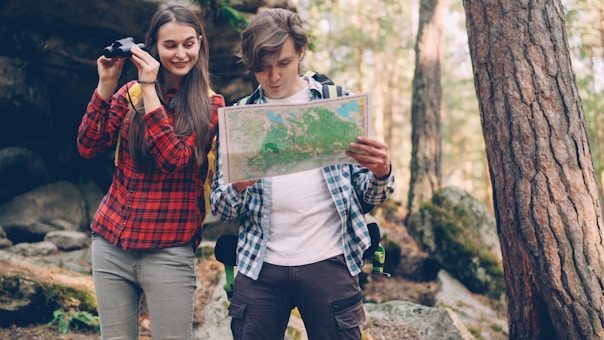
Paper map
Compass
GPS device
Offline trail app
Phones are useful, but battery life and signal coverage can be unreliable in remote areas.
2. Sun Protection
Protect yourself from harmful UV rays by packing:
Sunscreen
Sunglasses
Hat
Lightweight long-sleeve clothing
Sun exposure can cause dehydration and fatigue much faster than many beginners expect.
3. Extra Clothing
Weather can change quickly outdoors.
Carry:
Rain jacket
Warm layer
Extra socks
Lightweight gloves in cooler seasons
Even summer temperatures can drop unexpectedly, especially in the mountains or windy areas.
4. Illumination
Always bring:
Headlamp
Flashlight
Extra batteries
A delayed return can quickly turn into a safety issue if darkness arrives before you’re back.
5. First Aid Kit
A small first aid kit should include:
Bandages
Blister treatment
Antiseptic wipes
Medical tape
Pain relief medication
Tweezers
Knowing basic first aid skills is just as important as carrying supplies.
6. Fire Starter
Depending on local regulations, carry:
Waterproof matches
Lighter
Fire starter
Fire can provide warmth and emergency signaling when conditions allow.
7. Repair Kit
Simple repair items can solve unexpected problems:
Multi-tool
Duct tape
Cord
Gear repair patches
Small repairs in the field can prevent larger issues later.
8. Extra Food
Always pack more food than you think you’ll need.
Good options include:
Energy bars
Nuts
Dried fruit
Trail mix
Extra calories are especially important during longer activities.
9. Water
Water is one of the most important supplies outdoors.
General guidelines:
Short hike: 1–2 liters
Moderate hike: 2–3 liters
Hot weather: More as needed
For longer adventures, a water filter or purification system can be helpful.
Read more about water filters, hydration systems, or outdoor essentials.
10. Emergency Shelter
Carry lightweight emergency protection:
Emergency blanket
Bivy sack
Small tarp
Even simple shelter can provide protection from wind, rain, or cold temperatures.
How to Plan Your First Outdoor Adventure
Planning reduces risk and increases enjoyment.
Your first trip should be simple, safe, and realistic.
Choose Beginner-Friendly Locations
Look for:
Clearly marked trails
Popular destinations
Short distances
Nearby parking
Good mobile coverage
Starting with easy adventures builds confidence.
Check the Weather Forecast
Weather affects comfort and safety.
Before leaving, check:
Temperature
Rain chances
Wind conditions
Storm warnings
If severe weather is expected, consider postponing your trip.
Know the Trail Details
Research:
Distance
Elevation gain
Trail conditions
Water availability
Estimated hiking time
Reading recent trail reports can provide useful information.
Start Early
Beginning your adventure early gives you:
More daylight
Cooler temperatures
More time for breaks
Better flexibility if plans change
Many beginner mistakes happen because people underestimate how long outdoor activities take.
Outdoor Safety Tips for Beginners
Outdoor safety starts long before you leave home.
Small preparations can prevent major problems.
Tell Someone Your Plans
Always share:
Destination
Route
Departure time
Expected return time
If an emergency occurs, this information can help rescuers locate you.
Stay on Marked Trails
Marked trails:
Reduce the risk of getting lost
Protect sensitive environments
Improve safety
Shortcuts often create erosion and damage natural habitats.
Hike Within Your Limits
One of the most common beginner mistakes is choosing trails that are too difficult.
Wildlife Safety: How to Respect Nature and Stay Safe
One of the most exciting parts of spending time outdoors is seeing wildlife in its natural habitat. From colorful birds and deer to foxes and other native animals, every encounter can be memorable. However, wildlife should always be observed from a safe distance.
Remember, you’re a visitor in their home.
Keep a Safe Distance
Never approach wild animals for a better photo or closer look. Even animals that seem calm can become defensive if they feel threatened.
Use binoculars or a camera with a zoom lens instead of getting closer.
Never Feed Wildlife
Feeding wild animals may seem harmless, but it can:
Change their natural behavior
Make them dependent on humans
Increase aggressive encounters
Harm their health
The best way to protect wildlife is to let them find their own food.
Store Food Properly
If you’re camping, never leave food outside your tent.
Store food in:
Bear-resistant containers (where required)
A locked vehicle (if allowed)
Designated campground food lockers
Proper food storage protects both you and the animals.
Stay Calm During Wildlife Encounters
If you encounter a wild animal:
Stay calm.
Do not run.
Give the animal space.
Slowly back away if necessary.
Follow local wildlife safety recommendations.
Every region has different wildlife, so research common animals before your trip.
Practice Leave No Trace Principles
Responsible outdoor recreation helps preserve nature for future generations. The Leave No Trace principles are widely recognized as the foundation of outdoor ethics.
1. Plan Ahead and Prepare
Research your destination, check the weather, and pack the right gear. Good planning reduces risks and minimizes your impact on the environment.
2. Travel on Durable Surfaces
Stay on marked trails and established campsites whenever possible. Walking off-trail can damage fragile plants and contribute to soil erosion.
3. Dispose of Waste Properly
A simple rule to remember is:
Pack it in, pack it out.
Carry out:
Food wrappers
Plastic bottles
Used tissues
Any other trash you bring
Leave the area cleaner than you found it whenever possible.
4. Leave What You Find
Avoid taking rocks, flowers, plants, or historical objects home.
Photographs make the best souvenirs.
5. Minimize Campfire Impacts
Only build fires where they’re allowed.
Use existing fire rings whenever possible and completely extinguish fires before leaving.
Always check forecasts before leaving and monitor conditions throughout your trip if possible.
Hiking Too Fast
Outdoor adventures aren’t races.
Walk at a comfortable pace and take breaks when needed.
Forgetting Enough Water
Dehydration is one of the most common outdoor problems.
Drink regularly instead of waiting until you’re thirsty.
Depending Only on Your Phone
Phones are useful, but batteries die and signals disappear.
Carry backup navigation tools.
Starting Difficult Trails Too Early
Build experience gradually.
Easy trails teach valuable skills without unnecessary risk.
Confidence comes with practice.
Outdoor Skills Every Beginner Should Learn
The more skills you develop, the more enjoyable outdoor adventures become.
Focus on learning these basics:
Reading trail maps
Using a compass
Pitching a tent
Filtering drinking water
Building a safe campfire (where permitted)
Identifying changing weather
Basic first aid
Emergency signaling
You don’t need to master everything immediately.
Learn one new skill on every trip.
Build Confidence One Adventure at a Time
Outdoor confidence doesn’t happen overnight.
Every experienced backpacker, camper, and hiker once took their first walk into the woods with questions and uncertainty.
Start with small goals.
Celebrate each successful trip.
Gradually increase:
Distance
Elevation
Trip length
Skill level
The outdoors rewards patience more than speed.
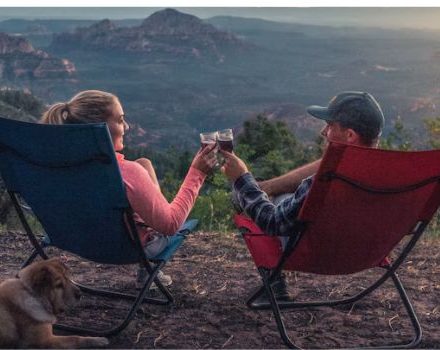
Photo by Alice Donovan Rouse on Unsplash
Beginner Outdoor Checklist
Before leaving home, make sure you’ve packed:
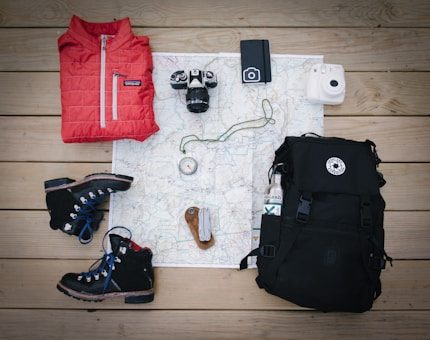
✅ Backpack✅ Water✅ Snacks✅ Map✅ Compass✅ Phone✅ Power bank✅ Headlamp
✅ Rain jacket✅ Extra clothing✅ First aid kit✅ Sunscreen✅ Sunglasses✅ Hat✅ Emergency whistle
✅ Multi-tool✅ Trash bag✅ Identification
Checking this list before every adventure helps reduce stress and prevent forgotten essentials.
Frequently Asked Questions
Is the outdoors safe for beginners?
Yes. Outdoor activities are generally safe when you choose beginner-friendly locations, carry the right gear, check the weather, and let someone know your plans. Starting with short hikes or established campgrounds is a great way to build confidence.
What is the best outdoor activity for beginners?
Hiking is often the easiest place to start because it requires minimal equipment and offers trails for every fitness level. Nature walks and campground camping are also excellent beginner-friendly options.
What gear do I need for my first outdoor adventure?
For a basic day trip, pack comfortable clothing, hiking shoes, a backpack, water, snacks, a first aid kit, navigation tools, sun protection, and a rain jacket. As you gain experience, you can invest in more specialized gear.
How much water should I bring?
A good rule is to carry at least 2 liters for a moderate day hike. If you’re hiking in hot weather or covering longer distances, you’ll likely need more.
Should beginners hike alone?
It’s usually better to hike with a friend or join a local hiking group until you’re comfortable with trail navigation and outdoor safety.
How do I choose my first hiking trail?
>Look for trails that are: >Under 5 miles >Clearly marked >Low elevation gain >Popular with other hikers >Rated easy or beginner-friendly
What should I wear for hiking?
Wear moisture-wicking clothing, supportive hiking shoes, and dress in layers so you can adjust to changing temperatures throughout the day.
What is Leave No Trace?
Leave No Trace is a set of outdoor ethics that encourages visitors to minimize their impact by packing out trash, respecting wildlife, staying on trails, and protecting natural areas for future generations.
Can I use regular running shoes for hiking?
For easy, well-maintained trails, running shoes may be enough. However, hiking shoes or boots provide better grip, support, and durability on uneven terrain.
How can I become more confident outdoors?
Start with short, simple trips and gradually build your skills. Every adventure teaches something new, and confidence grows through preparation and experience.
Final Thoughts
Exploring the outdoors is one of the most rewarding ways to improve your health, challenge yourself, and connect with nature. You don’t need expensive equipment or years of experience to begin—just the willingness to learn, prepare, and take that first step.
Start small. Choose beginner-friendly trails, pack the essentials, and focus on enjoying the journey rather than covering the most distance. Every hike, camping trip, or nature walk helps you build valuable skills and confidence for future adventures.
Most importantly, respect the places you visit. By following safe practices and the Leave No Trace principles, you’ll help protect nature so others can enjoy it for years to come.
Whether your goal is a peaceful weekend hike or eventually tackling multi-day backpacking trips, this Beginner’s Guide to the Outdoors gives you the foundation to explore safely and confidently.
Ready for Your First Adventure?
Before heading outdoors, make sure you have reliable gear that matches your needs and experience level.
Passionate outdoor enthusiast dedicated to helping adventurers make smart choices. I research, compare, and analyze top-rated trail gear, real-world user experiences, and expert tests to deliver honest reviews and comprehensive buying guides.