
As an Amazon Associate I earn from qualifying purchases.
Choosing the right hiking daypack can make a noticeable difference on the trail. A good daypack should carry your water, food, layers, first-aid supplies, and other essentials without making you feel overloaded or uncomfortable.
But you don’t necessarily need a large backpack for a day hike. For most outings, a well-fitting pack in the 15–30-liter range offers a practical balance between storage, weight, and comfort.
In this guide, we’ve compared five popular hiking daypacks for different needs, including overall comfort, lightweight hiking, hydration, compact carrying, and longer day hikes.
Affiliate Disclosure: OutdoorGearTrail may earn a commission when you purchase through links on this page, at no additional cost to you.
Best Hiking Daypacks at a Glance
| Image | Product | Details | Price |
|---|---|---|---|
 | Osprey Daylite Plus Commuter Backpack, Black | 👉Premium efficiency and design 👉Storage tuned to each season 👉Purpose designed to help make the most of each exploration | Check Price |
 | Travel Backpacks Hiking Daypack for individuals | 👉Water-Resistant And Sturdy Material 👉 Ergonomic and Lightweight 👉Unique Appearance And Safety Design | Check Price |
 | Packable Lightweight Travel Day Pack for individuals(Cyan) | 👉Lightweight Small Backpack 👉Foldable Trip Daypack 👉Well Constructed | Check Price |
Our Top Picks
- Best Overall: Osprey Talon 22
- Best Lightweight: Deuter Speed Lite 20
- Best Compact Option: REI Co-op Flash 18
- Best for Longer Day Hikes: Gregory Miwok 24
- Best for Hydration: CamelBak Rim Runner 22
How We Evaluated These Hiking Daypacks
A daypack needs to do more than simply hold your gear. The wrong fit or poor organization can become uncomfortable several miles into a hike.
We considered capacity, weight, carrying comfort, organization, hydration compatibility, durability, and intended use. We also looked at whether each pack makes more sense for short hikes, longer day trips, fast hiking, or hydration-focused adventures.
The best daypack for you ultimately depends on your hiking style, body shape, typical trail length, and how much equipment you normally carry.
Key Features to Consider in a Hiking Daypack
Before choosing a daypack, consider how and where you normally hike. A lightweight pack can be excellent for fast day hikes, while a slightly larger pack may be more practical for long outings.
For additional trail preparation advice, see our guide to 15 Essential Hiking Rules.

Capacity and Volume
Capacity is one of the first things to consider. For short hikes where you only need water, snacks, a light layer, and a few essentials, a pack around 10–20 liters may be sufficient.
For longer day hikes, 20–30 liters provides more flexibility. You can carry additional layers, food, navigation equipment, first-aid supplies, and other essentials without cramming everything inside.
For many hikers, around 15–25 liters is a useful middle ground.
Weight and Comfort
A lightweight daypack can reduce fatigue, but low weight shouldn’t come at the expense of a good fit.
- Adjustable shoulder straps
- Comfortable padding
- A supportive back panel
- A stable hip belt when appropriate
- Load adjustment features
If you’re also choosing hiking footwear, check our best hiking shoes guide.
Material and Durability
Hiking trails can be hard on equipment. Your pack may rub against rocks, branches, and rough surfaces, while unexpected rain can expose it to moisture.
Common daypack materials include nylon and polyester. Ripstop construction can also help limit the spread of small tears.
Durability is particularly important if you hike frequently or regularly travel with the same pack.
For better gear organization, see our guide to the Best Compression Sacks for Backpacking.
Hydration Compatibility
Staying hydrated is essential on the trail. Some daypacks include dedicated hydration sleeves or are designed to work with compatible reservoirs.
A hydration-compatible design is particularly useful if you prefer drinking while walking instead of stopping to remove a bottle from your pack.
For bottle-based hydration, see our guide to the Best Collapsible Water Bottles for Travel.
Organization and Compartments
A well-organized pack saves time on the trail. Look for practical storage for water bottles, snacks, phones, maps, first-aid supplies, rain jackets, keys, and other small items.
Too many pockets can add complexity and weight, while too few can make finding small items frustrating.
You can also check our guide to collapsible travel water bottles.
Ventilation and Back Support
A ventilated back panel can be particularly useful during warm-weather hiking. Look for designs that allow some airflow between your back and the pack while keeping the load stable.
If you’re preparing for colder conditions, our winter hiking gear guide covers additional equipment considerations.
5 Best Hiking Daypacks
1. Osprey Talon 22 — Best Overall

The Osprey Talon 22 is a versatile choice for hikers who want a comfortable daypack with enough capacity for a wide range of day trips.
Its approximately 22-liter capacity makes it suitable for carrying typical hiking essentials without moving into full-size backpacking territory.
The pack is particularly appealing to hikers who prioritize a secure, comfortable fit and useful organization.
Pros and Cons
| Pros | Cons |
|---|---|
| ✓ Comfortable and supportive carry | ✗ Usually costs more than basic daypacks |
| ✓ Useful capacity for day hikes | ✗ May offer more features than casual hikers need |
| ✓ Good choice for varied trail conditions | ✗ Not the absolute lightest option |
Who Should Buy It?
The Talon 22 makes the most sense for hikers who regularly go on day hikes and want one versatile pack rather than a specialized minimalist model.
2. Deuter Speed Lite 20 — Best Lightweight Daypack
The Deuter Speed Lite 20 is designed with lightweight hiking in mind. Its compact profile makes it attractive to hikers who prefer carrying only the essentials.
With around 20 liters of capacity, it provides enough room for the basics while keeping the overall design relatively streamlined.
It is especially suitable for fast day hikes, shorter mountain outings, and hikers who don’t like carrying unnecessary gear.
Pros and Cons
| Pros | Cons |
|---|---|
| ✓ Lightweight design | ✗ Less suitable for bulky loads |
| ✓ Compact profile for active hiking | ✗ Limited space for extensive gear |
| ✓ Good choice for fast day trips | ✗ Minimalist design may not suit everyone |
Who Should Buy It?
Choose the Speed Lite 20 if keeping your pack light is one of your priorities. It’s particularly appealing for experienced hikers who know exactly what they need to carry.
If you also enjoy carrying compact optics on the trail, take a look at our guide to the Best Compact Binoculars for Hiking.
3. REI Co-op Flash 18 — Best Compact Option
The REI Co-op Flash 18 is aimed at hikers who want a lightweight and compact pack for shorter adventures.
Its smaller capacity makes it less suitable for carrying large amounts of equipment, but that can be an advantage when your hiking style is minimalist.
It can also work well as a compact travel or everyday pack when you don’t need the capacity of a larger daypack.
Pros and Cons
| Pros | Cons |
|---|---|
| ✓ Compact and lightweight | ✗ Limited capacity |
| ✓ Suitable for short hikes | ✗ Fewer features than larger technical packs |
| ✓ Easy to store and transport | ✗ May not suit long day hikes |
Who Should Buy It?
The Flash 18 is a good option for hikers who pack light and generally take shorter trips. It is also worth considering if you want a daypack that can serve multiple purposes outside hiking.
4. Gregory Miwok 24 — Best for Longer Day Hikes

The Gregory Miwok 24 offers a useful middle ground between a small minimalist pack and a much larger backpack.
Its approximately 24-liter capacity gives you additional room for food, water, layers, and other equipment when you’re spending more time on the trail.
The suspension and organization are also worth considering if carrying comfort is more important to you than minimizing every ounce.
Pros and Cons
| Pros | Cons |
|---|---|
| ✓ More room for longer day hikes | ✗ Heavier than minimalist packs |
| ✓ Comfortable suspension design | ✗ May be more pack than short hikes require |
| ✓ Useful organization | ✗ Premium pricing may not suit every budget |
Who Should Buy It?
The Miwok 24 is a good fit for hikers who regularly spend several hours on the trail and need extra room without moving to a large backpacking pack.
If you’re planning longer hikes, our guide to Delaware Water Gap hiking trails can also help with trail preparation.
5. CamelBak Rim Runner 22 — Best for Hydration
The CamelBak Rim Runner 22 is designed around convenient hydration and day-hiking storage.
Its approximately 22-liter capacity provides room for hiking essentials while the CamelBak-focused hydration design makes it an interesting option for hikers who prefer using a reservoir.
Important: Check the exact product listing and variant before buying because included accessories and configurations can differ.
Pros and Cons
| Pros | Cons |
|---|---|
| ✓ Strong hydration focus | ✗ Hydration components can add weight |
| ✓ Useful day-hiking capacity | ✗ Less appropriate for carrying large loads |
| ✓ Designed for active outdoor use | ✗ May be more specialized than necessary for casual hikers |
Who Should Buy It?
The Rim Runner 22 is worth considering if easy access to hydration is one of your biggest priorities during warm-weather or active day hikes.
Why the Osprey Talon 22 Is Our Top Pick
The Osprey Talon 22 earns our overall recommendation because it strikes a practical balance between capacity, comfort, organization, and versatility.
That doesn’t mean it’s automatically the best pack for everyone. A lightweight hiker may prefer the Deuter Speed Lite 20, while someone who wants a compact pack may find the REI Flash 18 more appropriate.
Hikers who carry more equipment may prefer the Gregory Miwok 24, while hydration-focused users may prefer the CamelBak option.
The right choice ultimately depends on how much you carry and how you hike.
For footwear that can complement your day-hiking setup, see our guide to Top Vibram Sole Hiking Boots.
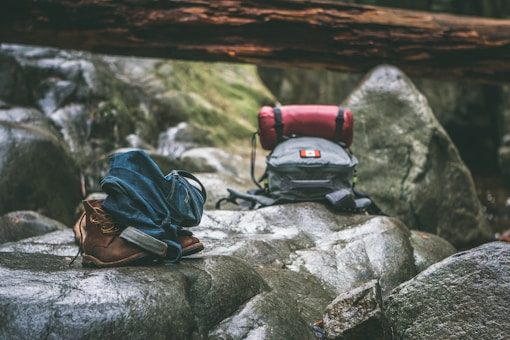
What Size Hiking Daypack Do You Need?
10–15 Liters
Best for short hikes, minimalist packing, mild weather, and small amounts of food and water.
15–25 Liters
Best for typical day hikes, moderate distances, extra clothing layers, and more food and water. This is the range that works for many hikers.
25–35 Liters
Best for long day hikes, cold-weather layers, larger amounts of food and water, and extra safety equipment.
A larger pack isn’t automatically better. If you’re only carrying a few essentials, unnecessary capacity can encourage you to carry unnecessary weight.
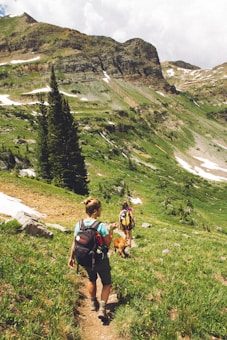
How to Choose the Right Daypack for Your Hiking Style
For Short and Fast Hikes
Choose a lightweight pack around 10–20 liters. Keep your load simple and prioritize easy access to water and essential gear.
For Full-Day Adventures
A 20–30-liter pack generally gives you more flexibility for food, water, extra clothing, navigation equipment, and emergency supplies.
For Hot-Weather Hiking
Prioritize ventilation, comfortable shoulder straps, and convenient hydration access.
For Minimalist Hikers
Focus on weight first. A compact 15–20-liter pack may be all you need if you carefully limit your gear.
For Longer Day Hikes
Consider a 20–30-liter pack with better organization and support. Additional capacity becomes useful when weather or trail conditions are unpredictable.
What to Pack in a Hiking Daypack
Your exact loadout should depend on the trail, weather, distance, and experience level. Common day-hiking essentials include:
- Water
- Food and snacks
- Weather-appropriate clothing
- Navigation equipment
- Phone
- First-aid supplies
- Headlamp
- Sun protection
- Rain protection
- Emergency essentials
Avoid filling every available pocket simply because the space is there. A lighter, well-organized load is generally easier to carry.
How to Care for Your Hiking Daypack
Proper care can extend the useful life of a quality daypack.
After a dirty hike, remove loose debris and clean the pack according to the manufacturer’s instructions. Avoid storing it while wet, as trapped moisture can create unpleasant odors and potentially damage materials over time.
Don’t routinely overload the pack beyond its intended use. Excessive weight can place additional stress on zippers, seams, straps, and suspension components.
Store the pack in a cool, dry location when you’re not using it.
Tips for Getting the Best Fit
Even an excellent daypack can become uncomfortable if it doesn’t fit correctly.
Start by loosening the straps before putting the pack on. Once the pack is positioned correctly, adjust the shoulder straps so the pack sits comfortably against your back.
If your pack has a hip belt, position it comfortably around your hips rather than relying entirely on your shoulders to support the load.
Before a long hike, test the pack with the equipment you actually intend to carry.
For seasonal clothing advice, read our guide to What to Wear Hiking in Sedona.
Final Verdict
The best hiking daypack isn’t necessarily the largest, lightest, or most expensive option. It’s the one that matches your typical trail distance, gear load, body fit, and hiking style.
For most hikers looking for one versatile option, the Osprey Talon 22 is our overall pick.
If weight is your priority, consider the Deuter Speed Lite 20. For a compact minimalist option, the REI Co-op Flash 18 is worth considering. The Gregory Miwok 24 makes more sense when you need additional capacity for longer day hikes, while the CamelBak Rim Runner 22 is particularly appealing to hikers who prioritize hydration.
Before purchasing, check the current product specifications, available options, and exact configuration of the model you’re considering.
Frequently Asked Questions
What size daypack is best for day hikes?
For most day hikes, a 15–30-liter daypack provides a useful balance of storage and portability. Short minimalist hikes may require less, while longer or colder outings may justify more capacity.
How do I make sure a hiking daypack is comfortable?
Look for adjustable shoulder straps, a supportive back panel, and an appropriate hip belt when needed. Try the pack with a realistic load before committing to a long hike.
What materials are best for hiking daypacks?
Nylon and polyester are common choices for hiking packs. Ripstop fabrics can provide additional resistance to tearing, while the quality of stitching, zippers, straps, and construction also affects durability.
How long should a quality hiking daypack last?
There isn’t a fixed replacement schedule. A well-maintained daypack can last for many years, but heavy use, UV exposure, abrasion, moisture, and overloading can shorten its lifespan.
Can I use a hiking daypack for travel?
Yes. Many hiking daypacks work well for travel, commuting, cycling, sightseeing, and everyday activities. Make sure the pack’s capacity and organization match what you need outside the trail.
Is a 20-liter backpack enough for a day hike?
For many short-to-moderate day hikes, yes. A 20-liter pack can hold water, food, an extra layer, navigation tools, and other basic essentials. For colder weather or longer hikes, you may prefer a larger pack.
Is a heavier daypack better?
Not necessarily. A heavier pack may provide additional structure, padding, or features, but every extra ounce becomes part of your carried load. Choose the lightest pack that still provides the capacity, comfort, and support you actually need.
Should a hiking daypack be waterproof?
Water resistance and waterproofing aren’t the same thing. A water-resistant pack may handle light rain, but serious wet-weather hiking may require a pack cover, liner, or waterproof storage system for sensitive gear.
What is the best hiking daypack for beginners?
For beginners, versatility and comfort are usually more important than having the lightest possible pack. A well-fitting daypack in the 15–25-liter range is a practical starting point for many day hikes.