As an Amazon Associate I earn from qualifying purchases.
Finding the best hiking shoes for narrow feet can be frustrating. Many hiking shoes are built around a standard or relatively roomy foot shape, leaving hikers with narrow feet dealing with heel slippage, excess movement, uncomfortable pressure, or the need to overtighten their laces.
The right hiking shoe should do more than simply feel tight. It should hold your heel securely, provide a snug midfoot fit, and give your toes enough room to move naturally. Whether you’re hiking rocky mountain trails, walking through forests, or exploring local paths, getting the fit right can make a significant difference in comfort and stability.
In this guide, we’ll explain what to look for when shopping for hiking shoes for narrow feet, highlight several models worth considering, and share practical fitting tips to help you find a more secure trail fit.
Best Hiking Shoes for Narrow Feet: Quick Comparison
| Hiking Shoe | Best For | Fit Consideration | Waterproof |
|---|---|---|---|
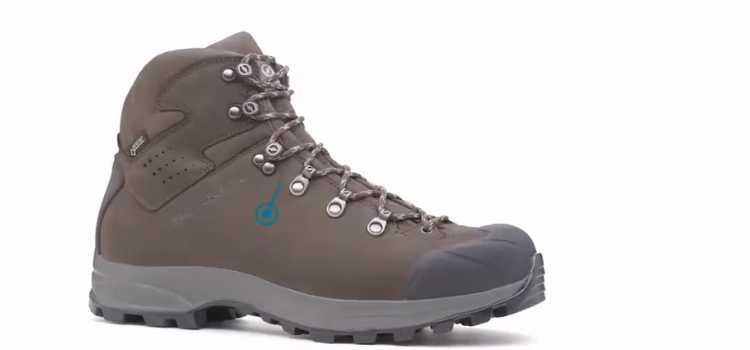
| Scarpa Zodiac Plus GTX | Technical trails | Precise, supportive fit | Yes |
| Salomon X Ultra 5 GTX | All-around hiking | Secure, adjustable fit | Yes |
| Scarpa Zodiac Tech GTX | Mountain terrain | Structured, performance-oriented | Yes |
| Merrell Moab Series | Casual and moderate hiking | Check heel and forefoot volume carefully | Varies by model |
Ready to Find Your Perfect Fit?
Don’t let loose heels or excess space ruin your next hike. Explore the latest hiking shoes and find a secure, comfortable fit for your narrow feet.
Check the Best Hiking ShoesUnderstanding Narrow Feet
Narrow feet generally have less width and internal volume than the standard foot shape used to design many shoes. However, having narrow feet doesn’t necessarily mean having a low or high arch. Foot width, heel width, arch height, and forefoot shape are separate characteristics.
You may have a narrow heel but an average-width forefoot, or your entire foot may be relatively narrow. Understanding this distinction is important because a shoe that works well for one narrow-footed hiker may not work for another.
Common Problems Caused by an Oversized Hiking Shoe
When a hiking shoe is too roomy for your foot, you may notice several problems:
- Heel slipping while walking uphill or downhill
- Excessive side-to-side movement
- Repeatedly tightening the laces
- Hot spots and friction around the heel
- Toes sliding forward during descents
- A less secure feeling on uneven terrain
These problems don’t necessarily mean you need a smaller shoe. Often, the issue is the shape and volume of the shoe rather than its length.
What to Look for in Hiking Shoes for Narrow Feet
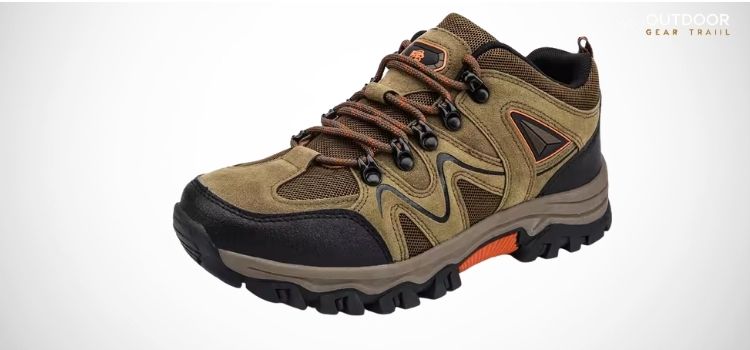
Instead of choosing a hiking shoe simply because someone describes it as “narrow,” pay attention to how the shoe holds different areas of your foot.
1. Secure Heel Fit
A secure heel is one of the most important characteristics for narrow-foot hikers. Your heel should remain reasonably stable when walking uphill and downhill without being squeezed painfully.
2. Snug Midfoot
The upper should comfortably hold your midfoot in place. If there is too much empty space, your foot may move inside the shoe, particularly on uneven trails.
3. Adjustable Lacing
A good lacing system allows you to fine-tune the fit. This can be particularly useful when you have a lower-volume foot and need more control around the heel or midfoot.
4. Appropriate Forefoot Width
Narrow feet don’t mean your toes should be squeezed together. Your toes still need enough room to move naturally, especially when walking downhill. The goal is a secure fit without restricting your toes.
5. Stable Midsole and Outsole
If you regularly hike over rocks, roots, or uneven ground, look for a shoe with enough underfoot protection and stability for your terrain. A narrow fit is useful only if the rest of the shoe is appropriate for your hiking conditions.

Click the image and get more offer
Best Hiking Shoes for Narrow Feet
There isn’t one hiking shoe that is perfect for every narrow foot. Foot shape varies considerably, and manufacturers don’t use a universal definition of “narrow.”
With that in mind, the following models are worth considering based on their fit characteristics, construction, adjustability, and intended use.
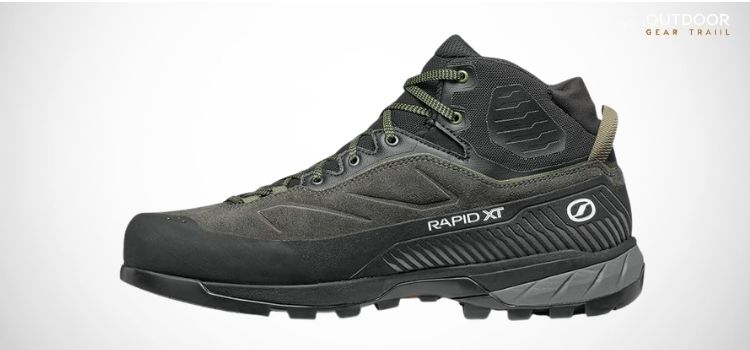
1. Scarpa Zodiac Plus GTX
The Scarpa Zodiac Plus GTX is a strong option for hikers who prefer a more precise and supportive shoe for rocky or technical terrain.
Its performance-oriented construction, secure midfoot design, and adjustable lacing make it worth trying if standard hiking shoes feel too roomy. The GORE-TEX construction also provides waterproof protection for wet conditions.
- Best for: Technical hiking and rocky terrain
- Key advantage: Precise, supportive fit
- Waterproofing: GORE-TEX
- Terrain: Rocky, steep, and technical trails
Keep in mind that fit is highly individual. A performance-oriented shoe isn’t automatically the best choice simply because you have narrow feet, so try it with your normal hiking socks before committing to a long-distance hike.
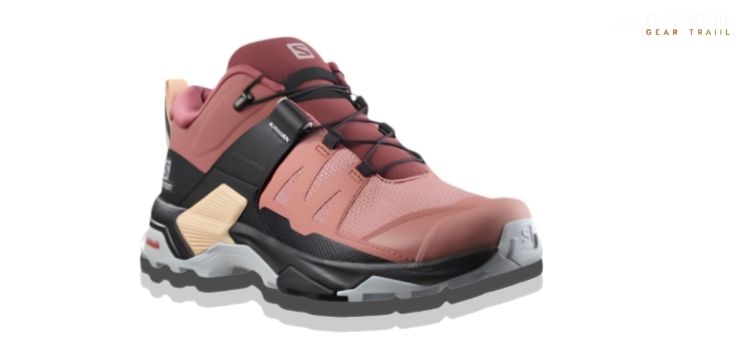
2. Salomon X Ultra 5 GTX
The Salomon X Ultra 5 GTX is a current-generation hiking shoe designed for everyday hiking and mixed terrain. Its secure lacing system and supportive construction make it a model worth testing if you prefer a controlled fit.
It’s important to note that the standard X Ultra 5 GTX is not officially marketed as an extreme narrow-width shoe. Salomon also offers different width options, so check the exact version before purchasing.
- Best for: All-around hiking
- Key advantage: Secure and adjustable fit
- Waterproofing: GORE-TEX version available
- Terrain: Mixed and rocky trails
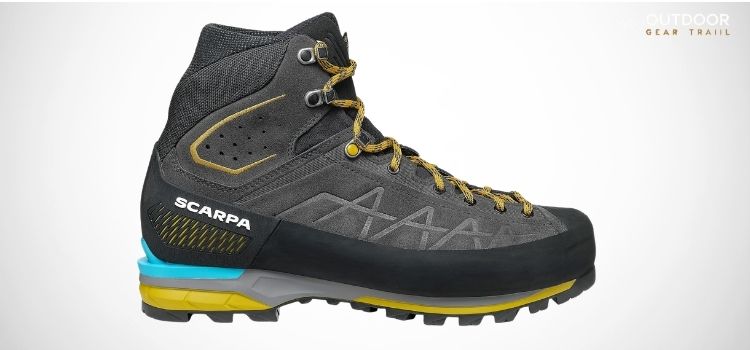
3. Scarpa Zodiac Tech GTX
If your hikes involve steep, rocky, or demanding terrain, the Scarpa Zodiac Tech GTX is another model worth investigating. It offers a more structured construction than lightweight trail shoes and is designed for technical mountain use.
- Best for: Steep and technical terrain
- Key advantage: Structured mountain-oriented design
- Waterproofing: GORE-TEX
- Terrain: Mountain and technical trails
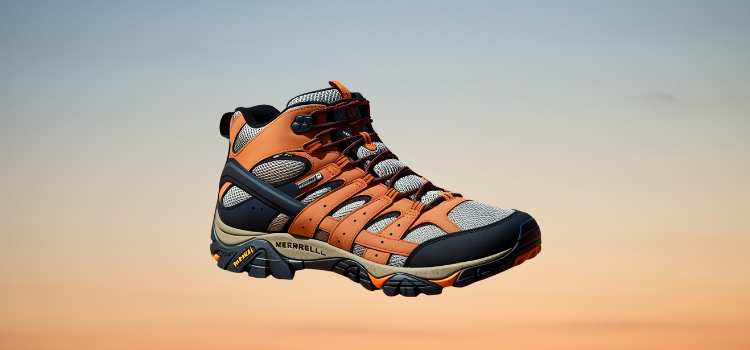
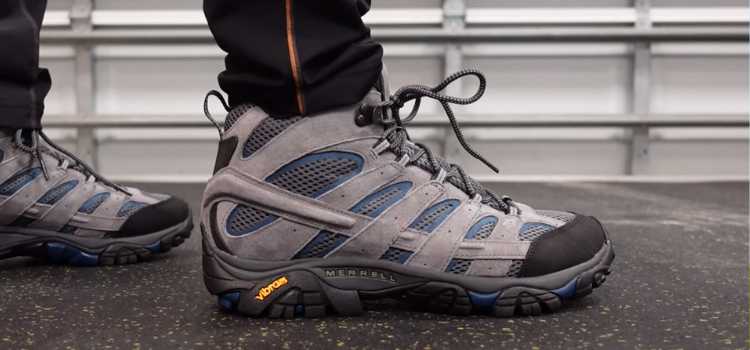
4. Merrell Moab Series
The Merrell Moab line is one of the better-known hiking shoe families, but older versions shouldn’t automatically be described as narrow-foot models. Fit can also vary between generations and between men’s and women’s versions.
If you’re considering a Moab, focus on how securely the heel and midfoot are held rather than relying on an online width label. The shoe may work particularly well for someone whose heel is narrow but whose forefoot needs more space.
Popular Hiking Shoes That May Not Work for Narrow Feet
Some popular hiking shoes are frequently recommended online for almost every foot shape. However, a roomy shoe isn’t automatically a good narrow-foot shoe.
Altra Lone Peak
Altra is known for its FootShape design and generous toe area. That can be excellent for hikers who want plenty of forefoot room, but it may not be the best choice if your primary problem is excessive space around the toes.
La Sportiva TX4 Series
The TX4 family is designed for technical approaches and hiking, but it should not automatically be classified as a narrow-foot shoe. Depending on the specific version, the forefoot can provide more room than a genuinely narrow-footed hiker needs.
Keen Targhee
Keen hiking shoes are well known for their roomy toe area. This can be comfortable for hikers who need additional toe space, but it may not solve the problem for someone whose entire foot is narrow.
How to Choose the Right Fit
The best way to find a narrow-foot hiking shoe is to evaluate the fit in person whenever possible.
Try Shoes on With Your Hiking Socks
The socks you wear can noticeably change the fit. Bring the socks you normally use for hiking when trying on a new pair.
Walk Uphill and Downhill
Don’t judge a hiking shoe by standing still for a few seconds. Walk around and, if possible, test an incline and decline.
- Does your heel stay in place?
- Does your foot slide forward downhill?
- Are your toes touching the front?
- Is there excessive side-to-side movement?
- Are there pressure points across the top of your foot?
Use Heel-Lock Lacing When Appropriate
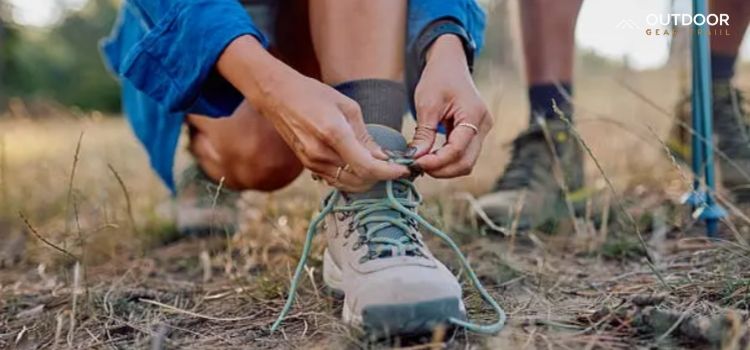
A heel-lock or runner’s-knot lacing technique can sometimes reduce minor heel movement. However, lacing should not be used to compensate for a shoe that is fundamentally too wide.

How Much Toe Room Should You Have?
Narrow hiking shoes should not squeeze your toes. Your longest toe should have enough space that it doesn’t repeatedly strike the front of the shoe during downhill walking.
At the same time, excessive space can allow your foot to move around. The ideal fit is secure through the heel and midfoot while allowing comfortable toe movement.
If you’re also looking for footwear for a specific foot condition, you may find our guide to hiking shoes for flat feet useful.
Can Insoles Improve the Fit of Narrow Hiking Shoes?
A slim-profile insole can sometimes reduce internal volume and make a shoe feel more secure. However, an insole cannot completely change the fundamental shape of a hiking shoe.
If your foot moves significantly inside the shoe even after adjusting the laces, choosing a different model is usually a better solution than trying to fill the extra space with thicker insoles.
How to Break In New Hiking Shoes
Modern hiking shoes often require less break-in than traditional leather hiking boots, but it’s still a good idea to test new footwear gradually.
- Wear the shoes around the house.
- Take several short outdoor walks.
- Use them on a short local hike.
- Increase hiking distance after confirming the fit.
This approach gives you an opportunity to discover pressure points or heel movement before committing to a long or remote hike.
How to Prevent Blisters in Hiking Shoes
A properly fitting hiking shoe is one of the most important ways to reduce friction-related problems. You can also improve comfort by choosing suitable hiking socks and dealing with hot spots before they become painful.
- Wear moisture-managing hiking socks.
- Address hot spots early.
- Keep your feet reasonably dry.
- Use an appropriate lacing technique.
- Test new footwear before a long hike.
For more information, see our guide to the best hiking socks to prevent blisters.
How to Maintain Your Hiking Shoes
Proper care can help your hiking shoes remain comfortable and functional for longer.
Clean Mud and Dirt After Hiking
Brush away loose dirt and mud after hikes. Follow the manufacturer’s cleaning instructions rather than using harsh chemicals that could damage the upper or waterproof membrane.
Let Shoes Dry Naturally
After a wet hike, remove the insoles and allow your shoes to dry in a well-ventilated area. Avoid excessive direct heat, which can damage adhesives and materials.
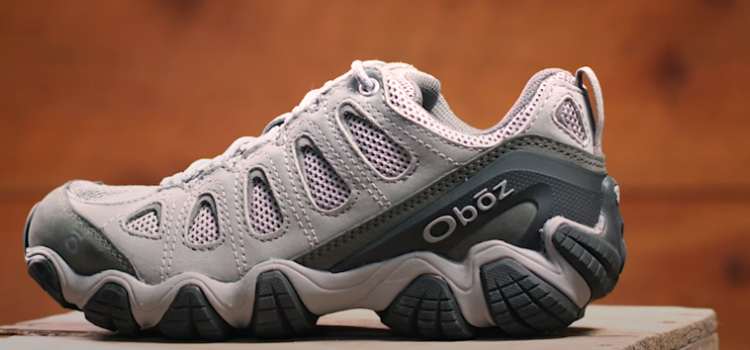
Inspect the Outsole and Midsole
Regularly check the tread, midsole and upper for excessive wear. A shoe that has lost significant traction or structural support may no longer provide the performance you need on the trail.
When Should You Replace Your Hiking Shoes?
There is no universal mileage number that tells you exactly when hiking shoes need replacement. Terrain, hiking frequency, body weight, footwear construction and walking style all affect how quickly shoes wear out.
Consider replacing them when you notice:
- Significantly worn outsole lugs
- Reduced traction
- Compressed or uneven midsole cushioning
- Damage to the upper
- Loss of heel stability
- Separation between the outsole and upper
- A noticeable decline in comfort or support
Our Approach to Choosing Hiking Shoes for Narrow Feet
A useful narrow-foot shoe recommendation should consider more than a product’s popularity. We focus on the characteristics that actually affect fit and trail performance.
- Fit: How well the shoe can secure the heel and midfoot.
- Adjustability: Whether the lacing system allows the fit to be fine-tuned.
- Forefoot shape: Whether the shoe provides appropriate space without excessive volume.
- Terrain: Whether the construction matches the trails where you’ll use it.
- Protection: Whether the shoe provides appropriate underfoot and upper protection.
- Weather: Whether waterproofing or breathability is more important for your environment.
Because footwear fit is highly personal, manufacturer specifications and online reviews should be treated as starting points rather than guarantees that a particular shoe will fit every narrow foot.
Final Verdict
The best hiking shoes for narrow feet should keep your heel and midfoot securely positioned without squeezing your toes. The right choice depends on your individual foot shape, hiking terrain, weather conditions, and the amount of support you prefer.
The Scarpa Zodiac Plus GTX is worth considering if you want a more precise, supportive option for technical terrain, while the Salomon X Ultra 5 GTX is a versatile option for everyday hiking and mixed trails.
Don’t choose a hiking shoe simply because an online list calls it “narrow.” Try the shoe with your hiking socks, walk uphill and downhill, check for heel movement, and make sure your toes have enough room to move comfortably.
Ultimately, the best hiking shoe is the one that feels secure enough that you can stop thinking about your footwear and focus on the trail ahead.
FAQs About Hiking Shoes for Narrow Feet
How do I know if I have narrow feet?
If standard-width hiking shoes leave excessive space around your heel or midfoot, or your heel repeatedly slips despite having the correct length, your foot may be narrower than the shoe’s intended shape. A professional foot measurement can provide a more reliable assessment.
Are Salomon hiking shoes good for narrow feet?
Some Salomon models can provide a secure fit, but the brand makes shoes in different constructions and widths. Check the exact model and width before purchasing rather than assuming every Salomon hiking shoe has the same fit.
Are Altra hiking shoes good for narrow feet?
Not necessarily. Altra is known for its FootShape design and generous toe area. This can be beneficial for hikers who need additional forefoot room but may feel too roomy for someone with a genuinely narrow forefoot.
Can insoles make a wide hiking shoe fit a narrow foot?
A slim-profile insole can reduce internal volume slightly and may improve the fit, but it cannot completely change the shape of a shoe. If your foot moves significantly inside the shoe, choosing a better-fitting model is usually the better solution.
Should hiking shoes for narrow feet feel tight?
No. A good hiking shoe should feel secure rather than painfully tight. Your heel and midfoot should be held in place while your toes still have enough room to move naturally.
Is a narrow heel the same as having narrow feet?
No. Some hikers have a narrow heel but an average or wider forefoot. This is why it’s important to evaluate heel, midfoot and forefoot fit separately when choosing hiking shoes.
Should I choose waterproof hiking shoes?
It depends on your hiking conditions. Waterproof shoes can be useful in wet environments, while non-waterproof shoes often provide better breathability in hot and dry conditions. Choose based on your climate and typical trails.
Looking for more footwear advice? Read our guide to 10 Best Women’s Hiking Shoes for Plantar Fasciitis.
Related reading: You can also explore our guides to the best hiking shoes for Hawaii, hiking shoes for Achilles tendonitis, and whether hiking shoes are good for walking on concrete.
Pros and Cons of Hiking Shoes for Narrow Feet
| + | – |
|---|---|
| More secure heel and midfoot fit | Fewer models may fit properly |
| Less unwanted foot movement | Some shoes may require trying multiple sizes |
| Better control on uneven terrain | Width labels vary between brands |
| Can reduce friction caused by excessive movement | A narrow shoe can still be wrong for your forefoot shape |
Who Should Buy Hiking Shoes for Narrow Feet?
Hiking shoes designed around a more secure or lower-volume fit can be particularly useful if standard hiking shoes consistently feel too roomy. They may be worth considering if you experience heel slippage, excessive movement around the midfoot, or have to overtighten your laces to keep your foot secure.
However, don’t assume that a shoe advertised as narrow will automatically fit your foot. Your heel, arch, midfoot and forefoot can have different proportions, so the best approach is to assess the complete fit.
Finding Your Best Fit
The search for the best hiking shoes for narrow feet is really a search for the right combination of security, comfort and trail performance. A good pair should keep your heel from slipping, hold your midfoot comfortably, and give your toes enough space to move without allowing excessive foot movement.
Start with your actual foot shape rather than a brand name. Measure both feet, try shoes with your hiking socks, test them while walking uphill and downhill, and pay attention to any pressure points or unwanted movement.
If you find a shoe that securely holds your narrow foot without making your toes feel cramped, you’ve found something far more valuable than simply a shoe labeled “narrow.”
For the strongest topical relevance, prioritize internal links that naturally support the reader’s footwear research:
- Best Hiking Shoes for Flat Feet
- Best Hiking Shoes for Achilles Tendonitis
- Best Hiking Socks to Prevent Blisters
- Best Hiking Shoes for Hawaii
- 10 Best Women’s Hiking Shoes for Plantar Fasciitis
- Are Hiking Shoes Good for Walking on Concrete?