As an Amazon Associate I earn from qualifying purchases.
Choosing the right backpack isn’t just about size—it’s about lifestyle, adventure type, and how you prioritize comfort versus utility. In the outdoor world, two contenders often go head-to-head: ultralight backpacksvs daypack .At first glance, they may appear alike, but their functions and benefits differ greatly depending on the user’s needsWhether you’re planning a long-distance hike or a casual city stroll, understanding these differences is crucial.

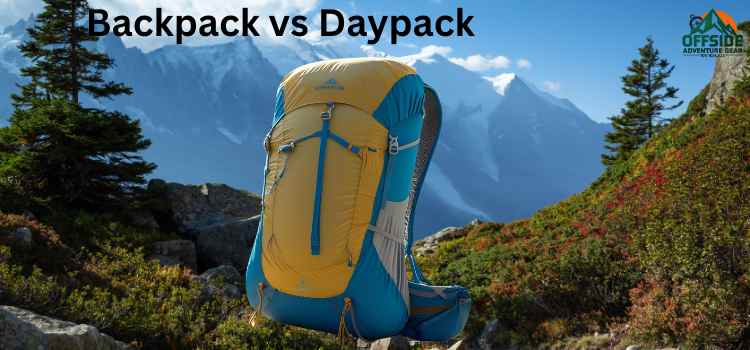
What Is an Ultralight Backpack?
Features of Ultralight Backpacks
Ultralight backpacksare specially designed for minimalists and thru-hikers who need to cut down on every gram. Typically weighing under 2 pounds (about 900g), these packs are engineered with lightweight materials like Dyneema or ripstop nylon.
Weight Range & Design
- Weight: 1-2 lbs (450-900g)
- Volume: 40–60 liters
- Frameless or with minimal support
- Roll-top closures, limited padding
Ideal Use Cases
Ultralight backpacks are ideal for:
- Thru-hikes (e.g., Pacific Crest Trail)
- Fastpacking
- Minimalist overnight trips
What Is a Daypack?
Characteristics of Daypacks
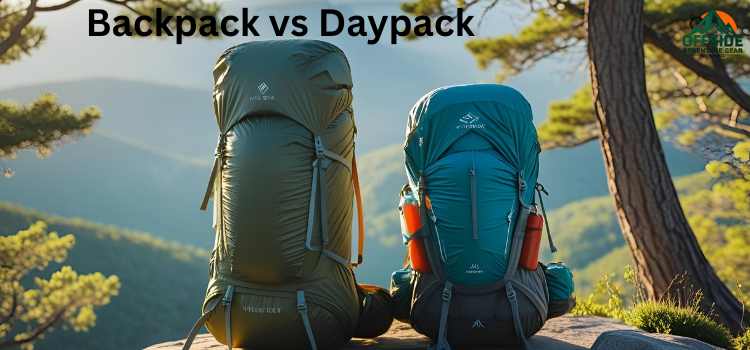
Daypacks are small, convenient, and versatile packs meant for short trips. They prioritize ease of use over long-distance comfort.
Typical Volume and Uses
- Volume: 10–30 liters
- Weight: 0.5–1.5 lbs (225–680g)
- Often includes hydration sleeves, laptop compartments
Common Usage Scenarios
Perfect for:
- Day hikes
- Commuting
- Gym or school use
- Urban exploration
Don’t hike blind! Download our free backpacking checklist to make sure you never forget essential gear again.
Key Differences Between Ultralight Backpacks and Daypacks
| Feature | Ultralight Backpack | Daypack |
|---|---|---|
| Capacity | 40–60 liters | 10–30 liters |
| Weight | 1–2 lbs | 0.5–1.5 lbs |
| Use Case | Long-distance hikes | Short trips, daily use |
| Support Frame | Minimal or frameless | Sometimes padded, often frameless |
| Comfort | Optimized for load and weight | Optimized for casual carry |
Pros and Cons of Ultralight Backpacks
Advantages
- Extremely lightweight
- Ideal for long treks
- Encourages minimalist packing
- Saves energy over long distances
Disadvantages
- Less padding and structure
- Limited internal compartments
- Often lacks external pockets
- Requires experienced gear planning
Pros and Cons of Daypacks
Benefits
- Comfortable for short use
- Affordable and widely available
- Great organization with pockets
- More style options for casual use
Limitations
- Unsuitable for overnight or heavy loads
- Minimal support for weight distribution
- Smaller hydration capacity
Storage and Organization Options
Ultralight backpacks tend to skip multiple compartments in favor of saving weight. Most feature one large main compartment, with perhaps a front mesh pocket and side water bottle holders.
Daypacks, however, are often loaded with:
- Front zip pockets
- Internal sleeves
- Key holders
- Laptop compartments
Ready to gear up? Shop top-rated ultralight backpack vs daypack now and start your journey prepared.
Durability and Build Quality
Ultralight packs use thin but strong materials like:
- Dyneema Composite Fabric
- Robic nylon
Daypacks are usually built for durability in urban environments with:
- Heavier polyester
- Cordura fabrics
Ultralight packs are surprisingly tough but require careful handling to prevent tears.
Review of Stone Glacier Sky Archer 6400 Backpack with Xcurve Frame
Load-Bearing Capacity
Ultralight backpacks can handle up to 25–30 lbs, but pushing that limit compromises comfort. They’re optimized for base weights under 10–12 lbs.
Daypacks can hold 10–20 lbs comfortably, perfect for snacks, water, a jacket, and daily gear.
Comfort and Fit
Comfort is relative:
- Ultralight backpacks use minimal padding and rely on fit and balance.
- Daypacks usually offer thick shoulder straps, a padded back, and simple hip belts for support.
Ventilated mesh backs are more common in daypacks, reducing sweat and improving comfort.

Versatility for Different Adventures
Ultralight Backpacks:
- Best for: Thru-hikes, wilderness treks, backcountry overnights
Daypacks:
- Best for: Day hikes, school, commuting, airplane carry-ons
Price Range and Value for Money
Ultralight models cost more due to high-tech materials. Daypacks, however, offer better general value for casual users.
Eco-Friendly and Sustainable Options
More brands are moving toward sustainability:
- Ultralight options: Hyperlite Mountain Gear uses Dyneema, a recyclable material.
- Daypacks: Patagonia and REI offer recycled polyester and fair-trade certified options.

Best Scenarios to Choose an Ultralight Backpack
Choose an ultralight backpack if:
- You’re planning multi-day hikes
- You’re an experienced backpacker
- You want to cut every ounce possible
Best Scenarios to Choose a Daypack
Choose a daypack if:
- You’re doing local hikes or city travel
- You want a multipurpose bag
- You carry lightweight, non-technical gear
Expert Tips for Choosing Between the Two
- Define Your Purpose: Overnight hike? Go ultralight. City stroll? Go daypack.
- Consider Load Size: Heavy gear needs more support.
- Test the Fit: Try both at a gear store.
- Check Warranty and Durability: Premium doesn’t always mean tougher.
Real User Reviews and Experiences
- John, a 31-year-old ultralight backpacker, shared that using the Gossamer Gear Mariposa made his hike on the JMT much easier on his back.”
- Day Hiker (Maria, 45): “Osprey Daylite is perfect for errands and my weekend hikes.”
FAQs
1. Can I use an ultralight backpack for daily commuting?
Yes, but it’s overkill. It’s better suited for hiking due to its design.
2. Do ultralight backpacks hurt your back?
Not if you pack smart. They’re designed for lighter loads.
3. Are daypacks waterproof?
Most aren’t, but you can add a rain cover or choose water-resistant materials.
4. Can a daypack be used for an overnight hike?
Only if you’re ultra-minimalist and your gear is compact.
5. Which lasts longer, ultralight or daypacks?
Durability depends on use. Ultralight backpacks last with care; daypacks are rugged for urban use.
6. What’s the best budget-friendly option?
Look for brands like REI Co-op, Deuter, or Decathlon for daypacks. Used ultralight packs can also save money.
Still unsure which pack suits your needs? Explore our expert gear guides and find the perfect fit for your next adventure!
Conclusion
The ultralight backpack vs daypack comparison comes down to one key question—what do you need it for?
- Go with an ultralight backpack if you’re aiming for long-distance trails, backcountry solitude, or weight efficiency.
- Choose a daypackfor quick hikes, school, or everyday convenience.
Both serve their purpose brilliantly. The real winner? The one that suits your journey best.





Leave a Reply