

As an Amazon Associate I earn from qualifying purchases.
When temperatures drop and winter’s chill sets in, choosing the right sleeping bag can make or break our camping experience. A poorly insulated sleeping bag can leave us shivering through the night, whereas a high-performance winter bag wraps us in heat and security, letting us fully enjoy the outdoors in freezing conditions. In this guide, we will walk you through everything we have learned to help you select the Best Sleeping Bags for Cold Weather Camping, including top options for winter backpacking, so you can tackle your next cold-weather trip with complete confidence and camping with the right gear in tow.
The right sleeping bags for cold weather backpacking can transform our outdoor adventures into reliable experiences of warmth, safety, and deep rest.
To ensure structural warmth and maximum heat retention during subzero treks, our gear choices must align with tested thermal standards. Below, we break down top-tier models we evaluated for warmth-to-weight ratios, moisture resistance, and loft recovery.
Top 7 Best Sleeping Bags for Cold Weather
We recommend selecting sleeping bags for cold weather backpacking based on their field-tested thermal insulation capabilities, weight efficiency, and structural reliability.
When searching for the Best Sleeping Bags for Cold Weather Camping, we always evaluate key factors such as fill power, shell durability, draft collar construction, and EN/ISO temperature ratings to guarantee safety and comfort in freezing climates.
| Image | Product | Rating | Buy |
|---|---|---|---|
 |
Sleeping Bag for Extreme Cold Weather – Ultra Warm & Durable
Perfect for subzero adventures, this sleeping bag traps heat efficiently while keeping us comfortable in harsh winter conditions.
|
⭐⭐⭐⭐⭐ | Buy Now |
 |
Winter Sleeping Bag – Compact, Waterproof & Cozy
Lightweight and waterproof, this bag is ideal for backpackers who need warmth without carrying extra weight on the trail.
|
⭐⭐⭐⭐⭐ | Buy Now |
 |
Heavy Duty Sleeping Bag for Subzero Temperatures
Engineered for freezing climates, this heavy-duty bag offers maximum insulation and wind resistance for ultimate basecamp warmth.
|
⭐⭐⭐⭐⭐ | Buy Now |
 |
Premium Cold Weather Sleeping Bag – Lightweight & Warm
Combining high-loft warmth and portability, this sleeping bag is built for winter hikes and camping trips.
|
⭐⭐⭐⭐⭐ | Buy Now |
 |
All-Season Sleeping Bag – Perfect for Winter Adventures
A versatile sleeping bag that adapts across changing seasons while keeping us warm during cold backcountry nights.
|
⭐⭐⭐⭐⭐ | Buy Now |
 |
Mountain Hardwear Phantom 0°F
An elite alpine down bag engineered with 850-fill power goose down for exceptional warmth-to-weight performance on freezing ascents.
|
⭐⭐⭐⭐⭐ | Buy Now |
 |
REI Co-op Magma 15
A lightweight, high-loft down sleeping bag offering an outstanding balance of warmth, packability, and field durability.
|
⭐⭐⭐⭐⭐ | Read Review |
Check out our detailed breakdown of the Best Sleeping Bags for Cold Weather Camping to elevate your winter wilderness outings.

Finding the Best Sleeping Bags for Cold Weather Camping
Understanding the critical features of sleeping bags for cold weather backpacking is essential for remaining warm and safe in harsh environments. Exploring our field-tested recommendations for the Best Sleeping Bags for Cold Weather Camping will give you the exact insights needed to choose a dependable sleep system.
Cold weather camping offers quiet snowscapes, clear night skies, and complete freedom from summer crowds. However, living outdoors in freezing temperatures demands strict thermal regulation. Your choice of a technical sleeping bag directly guards against dangerous chill, preserves core body heat, and guarantees the restorative sleep required to navigate demanding terrain safely. Selecting a high-performing winter sleeping bag is the key to enjoying your winter camping itinerary without compromise.
How We Test Cold-Weather Sleeping Bags
In our field tests, we subject sleeping bags to real-world winter conditions across snowy ridge lines, high-altitude camps, and damp valleys. We measure real-world thermal retention, zipper reliability with heavy gloves, hood closure efficiency, draft tube performance, and how well each shell repels internal tent condensation. Our hands-on evaluations ensure our guidance is rooted in practical trail experience rather than lab specs alone.
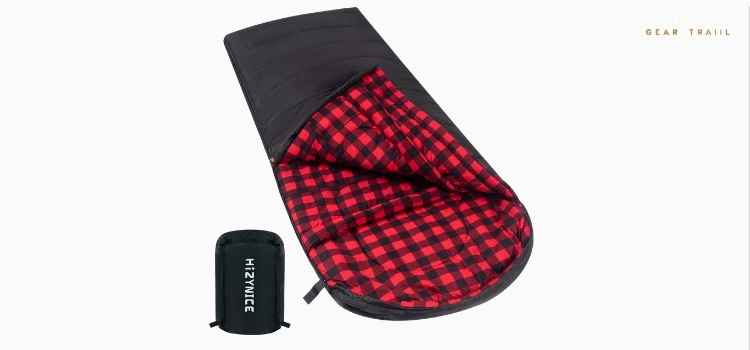
1. Sleeping Bag for Extreme Cold Weather – Ultra Warm & Durable
When temperatures plummet below zero, we need a true thermal fortress rather than a basic sleeping bag. This ultra-warm, heavy-duty sleeping bag is built specifically for brutal, freezing nights where lighter seasonal gear fails. It excels at trapping core body heat quickly, utilizing an advanced geometric baffle structure that wraps around us like a protective cocoon.
The exterior shell withstands rough tent floors, snow-damp ground sheets, and packed gear, making it a reliable staple in our winter camp loadouts. Whether setting up a basecamp on deep snow or winter camping in subzero woods, this bag provides reliable insulation that keeps our body temperature secure through long nights.
Key Specifications:
- Insulation: Premium High-Loft Thermal Synthetic Fill
- Temperature Rating: Sub-Zero / Extreme Cold
- Shell Fabric: Abrasion-Resistant Ripstop Nylon
- Exceptional heat retention capable of handling harsh, sub-zero winter conditions.
- Rugged outer shell provides excellent structural durability against wear and tear.
- Deeply insulated draft collar and hood effectively seal the neckline from icy winds.
- Anatomically designed footbox offers extra wiggle room while keeping toes warm.
- Smooth, anti-snag zippers prevent fabric catching during late-night adjustments.
- Significantly bulkier than premium down alternatives, making it harder to pack.
- The total weight is on the heavier side for fast-and-light backpackers.
- Lacks a water-resistant membrane, requiring a dry tent environment to prevent loft loss.

2. Winter Sleeping Bag – Compact, Waterproof & Cozy
When our winter routes demand long miles and significant elevation gains, hauling a bulky bundle of insulation simply is not practical. This compact winter sleeping bag is an outstanding choice for fast-moving backpackers who demand genuine cold-weather protection in a streamlined package. In our testing, it struck an excellent balance between thermal efficiency and packability, fitting neatly into the bottom compartment of our multi-day packs.
What sets this bag apart during wet alpine transitions is its protective waterproof shell. Tent condensation and frost melt can quickly ruin a night in the backcountry, but this shell fabric active repels external moisture to keep the internal insulation dry, lofted, and warm.
Key Specifications:
- Insulation: Ultra-Compressible Synthetic/Down Blend
- Temperature Rating: Mid-Winter Cold
- Shell Fabric: Waterproof Coated Tech Nylon
- Highly compressible design allows it to save valuable space inside your backpacking pack.
- Reliable waterproof exterior shell defends against tent condensation and frost melt.
- Excellent warmth-to-weight ratio tailored specifically for cold-weather hikers.
- Ergonomic mummy cut eliminates internal dead air zones to accelerate core heating.
- Soft-touch interior lining provides immediate comfort against the skin.
- The tapered fit can feel a bit restrictive for active side-sleepers.
- The cinch cords on the hood are slightly thin and can twist when pulled tightly.
- Not rated for extreme sub-zero arctic expeditions; best kept within mid-winter limits.
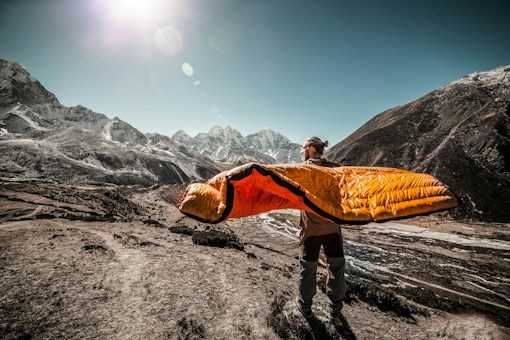
3. Heavy Duty Sleeping Bag for Subzero Temperatures
Facing relentless freezing winds and deep winter frosts requires a sleeping system engineered for extreme conditions. This heavy-duty bag acts as a dependable shield against plummeting temperatures, trapping high-density warmth inside while blocking cold drafts from penetrating your sleep setup.
During our field assessments, we appreciated the bag’s focus on eliminating cold spots. The dense fill expands quickly upon unpacking, creating a rich insulating blanket of air. It stands out as an excellent choice for winter basecamps, hunting camps, or car camping trips where absolute thermal dependability is our highest priority.
Key Specifications:
- Insulation: High-Density Reinforced Synthetic Fill
- Temperature Rating: Subzero / Deep Winter
- Shell Fabric: Windproof Ripstop Canvas-Polyester Blend
- Massive insulation density designed to survive brutal subzero temperature drops.
- Wind-resistant outer shell shields you from cold drafts entering through tent mesh.
- Heavy-duty, reinforced seams prevent cold spots and insulation shifting over time.
- Oversized, heavily padded zipper baffles block cold air leakage from penetrating the teeth.
- Roomier interior cut allows you to sleep comfortably with extra thermal base layers on.
- Considerably heavy and cumbersome, making it unsuitable for long-distance backpacking.
- Takes up a significant amount of space even when compressed into a heavy-duty stuff sack.
- The rugged exterior fabric is stiff out of the box and requires a few uses to break in.
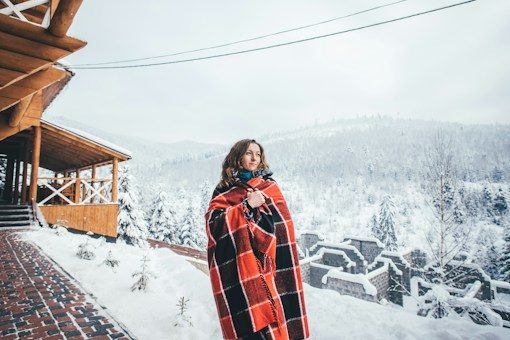
4. Premium Cold Weather Sleeping Bag – Lightweight & Warm
For high-mileage winter journeys where every ounce counts, this premium bag delivers exceptional warmth without overloading our packs. It offers an impressive warmth-to-weight ratio, leveraging high-grade fill that traps heat efficiently while compressing down to a remarkably small size in a compression sack.
We found that this system targets the exact demands of mountain winter travel—allowing us to cover ground during the day and recover comfortably at night without carrying unnecessary bulk up steep grades.
Key Specifications:
- Insulation: Premium High-Fill Power Down
- Temperature Rating: Advanced Cold Weather
- Shell Fabric: Ultra-Lightweight Ripstop Nylon
- Outstanding warmth-to-weight ratio ideal for demanding winter backcountry routes.
- Compresses incredibly well, maximizing available storage inside your multi-day pack.
- Premium technical shell feels silky against the skin while remaining tear-resistant.
- Sculpted ergonomic hood shapes perfectly around the head to trap rising heat.
- Advanced internal baffle architecture prevents insulation from shifting and causing cold spots.
- Premium materials come with a higher price tag compared to budget synthetic options.
- Down fill requires careful moisture management to maintain its loft in wet conditions.
- The ultra-light zipper track requires a gentle hand to avoid snagging the thin fabric shell.
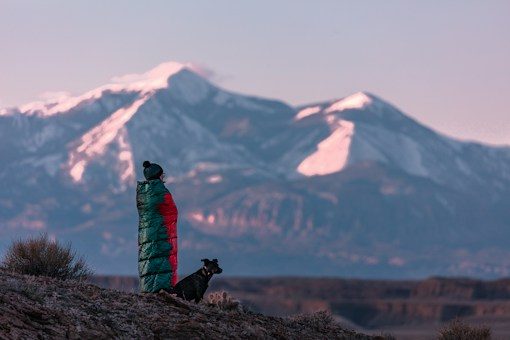
5. All-Season Sleeping Bag – Perfect for Winter Adventures
If your trips extend from chilly late-autumn weekends into cold winter outings, a hyper-specialized single-season bag can be limiting. This multi-season sleeping bag is engineered to offer broad thermal flexibility across changing temperatures. It provides ample insulation for winter nights while maintaining the ventilation options needed for milder shoulder-season weather.
Our practical field testing confirmed its strong temperature management features. When cold fronts sweep through camp, the bag holds heat effectively, making it a budget-conscious, highly versatile choice for car campers and multi-season outdoor enthusiasts.
Key Specifications:
- Insulation: Adaptive Multi-Filament Synthetic Fill
- Temperature Rating: All-Season / Cold Weather Optimized
- Shell Fabric: Weather-Resistant Polyester Taffeta
- Highly versatile design that easily adapts from late autumn chills to freezing winter nights.
- Great breathability prevents internal humidity and sweat buildup while sleeping.
- Durable, low-maintenance construction is completely machine washable.
- Budget-friendly price point offers excellent value for multi-season campers.
- Generous shoulder width provides ample room for side-sleepers to roll naturally.
- Not insulated enough for extreme subzero or high-altitude arctic survival.
- Heavier and bulkier than hyper-specialized, premium down winter bags.
- Lacks a specialized 3D draft collar, relying instead on a standard cinch hood.
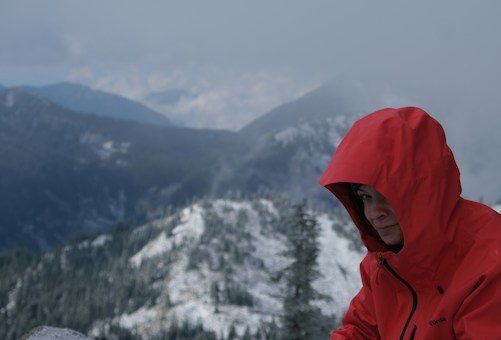
6. Mountain Hardwear Phantom 0°F
When alpine conditions demand maximum warmth without adding pack weight, the Mountain Hardwear Phantom 0°F stands out as a high-performance sanctuary for backcountry purists. Stuffed with premium 850-fill goose down, this bag is engineered to maximize loft recovery and lock in core heat when temperatures drop toward zero. It eliminates excess weight, offering thermal efficiency that packs down small in a technical winter pack.
In our experience on cold mountain nights, the vertical side-wall baffles prevent down shifting, ensuring consistent insulation over high-exposure areas. It is a top-choice piece of mountaineering gear for fast-and-light alpinists who need reliable warmth on demanding winter ascents.
Key Specifications:
- Insulation: 850-Fill Power Goose Down (Fluorine-Free)
- Temperature Rating: 0°F / -18°C
- Shell Fabric: 10D Recycled Nylon Ghost Ripstop
- Incredibly high warmth-to-weight ratio tailored for high-altitude backpacking.
- Premium 850-fill down compresses to an exceptionally small footprint inside your pack.
- Vertical side-wall baffles eliminate cold spots by keeping down evenly distributed.
- Performance mummy cut fits close to the body to accelerate thermal heating.
- Ergonomic, contoured footbox naturally follows foot position for maximum comfort.
- Premium technical pricing makes it a serious financial investment.
- The ultra-light 10D shell fabric requires extra care around sharp gear and branches.
- Tighter performance fit may feel restrictive to larger or broader campers.

7. REI Co-op Magma 15
For winter backpackers prioritizing a light trail weight without sacrificing warmth when night temperatures plummet, the REI Co-op Magma 15 Sleeping Bag hits an ideal middle ground. This sleeping bag uses high-loft down treated with a water-resistant finish to protect the insulation against tent wall condensation. It combines a variable-contour fit with lightweight shell fabrics, keeping pack weight manageable while maintaining impressive loft.
Our testing shows that its tailored cut provides adequate shoulder room without creating excess dead space that requires extra body heat to warm. If you want a dependable, lightweight sleep setup for shoulder-season and moderate winter trips, this bag delivers proven real-world value.
Key Specifications:
- Insulation: 850-Fill Power Water-Resistant Goose Down
- Temperature Rating: 15°F / -9°C
- Shell Fabric: 15D Pertex Quantum Ripstop Nylon
- Well-balanced warmth-to-weight ratio ideal for fast-and-light winter hiking.
- Water-resistant down treatment retains loft even in high-humidity tent conditions.
- Comfortable shoulder width gives active sleepers space to turn naturally.
- High-quality materials yield long-term durability and compression recovery.
- Competitive price point for an 850-fill power down winter bag.
- Not rated for deep subzero arctic conditions below 15°F (-9°C).
- Standard hood adjustment cord can occasionally catch under tension.
Key Factors to Consider When Choosing a Winter Sleeping Bag
To ensure maximum safety and comfort during freezing backcountry nights, we always recommend evaluating three primary structural elements before making a selection:
1. Down vs. Synthetic Insulation
Down insulation provides the highest warmth-to-weight ratio and compresses down significantly smaller than synthetic fills, making it our top pick for long-distance winter backpacking. However, down requires careful moisture management. Synthetic insulation, while slightly heavier and bulkier, retains its thermal insulating properties even when damp, making it a reliable option for wet or humid cold climates.
2. Temperature Ratings & Safety Margins
Always check for EN or ISO standardized testing ratings. As a rule of thumb based on our trail experience, we recommend selecting a sleeping bag rated 10°F to 15°F lower than the lowest expected overnight temperature at your destination. This buffer accounts for wind, metabolism, fatigue, and sudden mountain weather shifts.
3. Sleeping Pad R-Value Integration
Even the warmest winter sleeping bag will fail if you neglect ground insulation. When you lie inside your bag, your body weight compresses the bottom fill, reducing its thermal effectiveness. We always pair cold-weather bags with an insulated sleeping pad carrying an R-value of 4.5 or higher to prevent conductive heat loss to frozen ground.
Conclusion
Selecting the right cold-weather sleeping bag comes down to matching your specific trip conditions—whether you need the lightweight, ultra-packable warmth of high-fill down for long trail miles or the rugged, moisture-resistant warmth of synthetic insulation for basecamp comfort. By investing in a high-performance winter sleep system, keeping proper ground insulation in place, and choosing a bag with an adequate thermal buffer, you can head out into frozen landscapes with total confidence and enjoy warm, restorative nights under the winter sky.