As an Amazon Associate I earn from qualifying purchases.
Whether you’re an occasional weekend camper or a seasoned backcountry trekker, securing a restful sleep under the stars is crucial for your performance on the trail. Your sleep system is the single most important choice you will make when packing your shelter kit. But when evaluating modern gear, the fundamental debate comes down to one big decision: Should you choose a traditional sleeping bag or an ultralight camping quilt?
Both insulation systems have passionate followers across the outdoor community, and each design addresses specific thermal, weight, and spatial needs. To make sure you wake up energized and ready to tackle steep elevation gains, shop Lightweight Sleeping Gear now and elevate your outdoor comfort. In this comprehensive guide, we will break down the mechanics, pros, cons, and real-world performance of sleeping bags vs quilts so you can invest in the perfect gear for your next journey.
Understanding Sleep System Physics: Insulation 101
Sleeping Bags vs Quilts: Which Is Right for You?
To truly understand how sleeping bags compare to camping quilts, you first need to understand how outdoor sleep insulation works. Sleeping gear does not create warmth on its own—it traps the ambient radiant body heat your metabolism generates, creating a thermal microclimate inside your shelter.
The primary difference between a bag and a quilt lies in how they handle compressed insulation. When you lie inside a traditional mummy bag, the insulation (whether down or synthetic) directly beneath your back gets crushed flat under your body weight. Dead space and trapped air create warmth; compressed insulation loses almost all of its thermal efficiency (R-value). Backpacking quilts eliminate this crushed bottom layer entirely, relying instead on high-R-value sleeping pads to protect you from ground conduction cold.
What Are Sleeping Bags? The Classic Thermal Fortress
Traditional sleeping bags have been the gold standard for outdoor adventures for generations. Designed like protective cocoons, they enclose your entire body in a draft-free envelope, utilizing full-length zippers, sculpted footboxes, insulated draft tubes, and anatomical hood designs to seal out cold wind.
Modern options range from spacious rectangular designs for vehicle camping to streamlined mummy cuts designed for alpine mountaineering.

Advantages of Traditional Sleeping Bags
- 360-Degree Sealed Insulation: High-quality sleeping bags enclose you in warmth from head to toe, leaving zero gaps for ambient air movement.
- Superior Draft Prevention: Full-length draft tubes behind zippers, integrated neck collars, and cinchable hoods lock down warm air, making them unbeatable in sub-freezing conditions.
- Foolproof Simplicity: Simply unroll the bag, climb in, zip up, and sleep. There is no complicated pad attachment system to master.
- Built-In Head Insulation: The built-in hood cradles your head and keeps your crown warm without requiring extra beanies or hood attachments.
Drawbacks of Sleeping Bags
- Weight and Bulk Penalties: Carrying zippers, hood cinches, and compressed bottom fabric adds unnecessary ounces to your pack.
- Restricted Movement: Tight mummy shapes can feel claustrophobic for side sleepers, stomach sleepers, and active sleepers who toss and turn.
- Poor Temperature Regulation: In mild weather, zipping up can cause overheating and sweating, leading to uncomfortable humidity inside the bag.
Why carry unnecessary weight on your back when better options exist? Upgrade your kit with lightweight sleeping gear and experience effortless miles on your next trip.
What Are Camping Quilts? The Ultralight Revolution
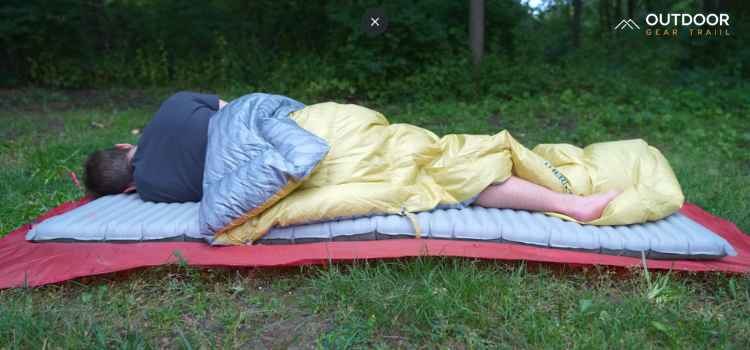
Backpacking quilts represent a minimalist evolution in trail gear. By stripping away heavy zippers, hoods, and the useless compressed back fabric, quilts function much like high-tech down comforters built specifically for wilderness conditions. They pair directly with a sleeping pad using elastic straps, creating an efficient, open-backed shelter microclimate.
Advantages of Backpacking Quilts
- Unmatched Weight Savings: Ultralight quilts cut 20% to 30% off your sleep system weight, making them the preferred choice for long-distance thru-hikers.
- Unrestricted Natural Sleeping Positions: Because a quilt lays over you like a home blanket, side sleepers and rotators can move freely without twisting up inside a restrictive zipper.
- Dynamic Temperature Ventilation: Easy to tuck in, kick open, or drape loosely depending on midnight temperature shifts.
- Compact Pack Volume: Ditching heavy hardware allows quilts to compress down to the size of a small water bottle inside your backpack.
Drawbacks of Backpacking Quilts
- Potential Draft Risk: If your strap alignment is off or you move aggressively, cold drafts can breach the sides.
- Dependence on an Insulated Pad: A quilt is only as warm as the pad underneath it. You need a pad with an adequate ASTM R-value for cold temperatures.
- No Integrated Hood: You will need to wear a down balaclava or fleece beanie on cold alpine nights.
Say goodbye to bulky, restrictive sleeping bags. Our curated lightweight sleep systems are built for serious adventurers like you.
👉 Find Your Perfect lightweight sleeping gear Today!

In-Depth Comparison: Bag vs. Quilt Key Factors
1. Warmth-to-Weight Ratio
When measuring thermal efficiency per ounce, quilts win cleanly. By eliminating redundant material on the bottom and ditching heavy heavy-duty zippers, a 20°F down quilt will almost always weigh less and pack down smaller than a 20°F down mummy sleeping bag.
2. Sleeping Position and Comfort
If you sleep strictly on your back like a statue, a classic mummy bag works well. However, side sleepers, stomach sleepers, and people who draw one knee up toward their chest often feel constricted in narrow bags. Quilts allow you to shift positions naturally without pulling the whole sleep system with you.
3. Cold-Weather Draft Resistance
When temperatures drop below freezing (32°F / 0°C), thermal retention requires total seal integrity. Sleeping bags shine in sub-freezing, high-altitude conditions because their enclosed design completely blocks wind and movement drafts.
Which Sleep System Is Right for Your Camping Style?
Choose a Sleeping Bag If:
- You routinely camp in sub-freezing, winter, or extreme high-alpine conditions.
- You want absolute draft protection without fussing with pad straps.
- You are a back sleeper who prefers full hood containment.
- You practice car camping or canoe camping where gear weight is less critical.
Choose a Backpacking Quilt If:
- You are focused on lightweight or ultralight backpacking mileage.
- You sleep warm, overheat easily, or toss and turn on your side.
- You mostly camp during spring, summer, and early autumn (3-season conditions).
- You already own a high-quality insulated sleeping pad with an R-value of 3.5 or higher.

Recommended Sleeping Bags and Quilts for Campers
To help you start your search, here are top-rated sleep systems tested and approved across diverse trail environments:
Top Pick Sleeping Bags:
- REI Co-op Magma 15: Premium 850-fill water-resistant down offer exceptional warmth for serious backpackers.
- The North Face Eco Trail Down 20: Durable recycled down insulation offering a roomier footbox for natural comfort.
- Marmot Trestles 20: A reliable, budget-friendly synthetic bag engineered to perform in damp, wet environments.

Top Pick Camping Quilts:
- Enlightened Equipment Revelation Quilt: The gold standard for ultralight hikers with highly customizable down options.
- Therm-a-Rest Corus 32 Quilt: Versatile 650-fill Nikwax Hydrophobic Down design ideal for warm-weather adventures.
- REI Co-op Trailbreak Quilt: A great budget-friendly introduction to quilt camping for newcomers.
Frequently Asked Questions: Sleeping Bags vs. Quilts
Q1: Are camping quilts warm enough for cold weather?
Answer: Yes, camping quilts can handle cold temperatures when paired with an high-R-value insulated sleeping pad (R-value 4.0+), insulated headwear, and properly adjusted pad attachment straps. However, for extreme sub-freezing temperatures, traditional sleeping bags provide simpler, draft-free thermal protection.
Q2: Can I use a quilt in a tent or hammock?
Answer: Absolutely! Quilts perform exceptionally well inside tents, bivies, hammocks, and under tarp shelters. Hammock campers often prefer top quilts because they are far easier to maneuver inside suspended setups than tight, zippered sleeping bags.
Q3: Which option is lighter—sleeping bags or quilts?
Answer: Quilts are almost universally lighter. By eliminating full-length zippers, heavy hood structures, and under-body insulation fabric, they trim significant ounces, making them top choices for ultralight backpackers.
Q4: Are camping quilts difficult to set up?
Answer: There is a minor learning curve. Setting up a camping quilt involves securing elastic attachment straps around your sleeping pad and tweaking side clips to block draft entry. Once dialed in, the setup takes less than a minute.
Q5: Are quilts cheaper than sleeping bags?
Answer: Not always. Pricing depends heavily on insulation quality (such as 850+ fill power down vs. synthetic fill), lightweight shell fabrics, and manufacturing quality. Premium custom down quilts can cost just as much as top-tier mummy sleeping bags.
Final Thoughts: Making the Right Choice
In the debate over insulation systems, there is no single right answer—only the right choice for your specific trip conditions, sleeping position, and weight goals. How much a sleeping bag or quilt benefits you comes down to how and where you spend your time outdoors.
If you toss and turn, dislike restricted movement, or want to lighten your pack for high-mileage days, an ultralight quilt can transform your camp comfort. If you frequently encounter harsh weather, alpine snowfields, or simply prefer straightforward draft protection, a classic mummy sleeping bag remains an unbeatable thermal fortress.
Assess your typical route conditions, review your current sleeping pad’s R-value, and pick the gear that best fits your trail goals. High-quality sleep outdoors is essential for safety, stamina, and enjoyment—choose wisely, and sleep well out on the trail!
Read More: Expand your winter gear knowledge by checking out our deep dive on the Best Sleeping Bags for Cold Weather Camping.