
As an Amazon Associate I earn from qualifying purchases.
Imagine arriving at a beautiful campsite after a long day of hiking. Your tent is ready, dinner is finished, and you are looking forward to a good night’s sleep. Then the temperature drops, and your sleeping bag fails to keep you warm. Instead of waking up refreshed, you spend the night shivering.
This is a common problem for campers, backpackers, and outdoor travelers who choose a sleeping bag based on price alone.
The good news is that you do not need to spend hundreds of dollars to find a suitable cold-weather sleeping bag. Several budget-friendly options offer practical insulation, comfortable designs, and useful features for camping in the USA, Canada, Australia, Italy, and other European countries.
In this guide, we explain what to look for in an affordable sleeping bag, compare popular options, and help you choose a model that suits your climate, budget, and outdoor activities.
Our goal: Help you find an affordable sleeping bag without sacrificing essential warmth, comfort, or safety.

What Is the Best Budget Cold Weather Sleeping Bag for Adults?
The best choice depends on your campsite’s nighttime temperature, your budget, and whether you are car camping or carrying your equipment on a backpacking trip.
For many budget-conscious campers, a synthetic or down sleeping bag with an appropriate published comfort rating is a sensible starting point. Remember that a temperature printed in a product name does not necessarily mean you will sleep comfortably at that temperature.
Best Budget Cold Weather Sleeping Bags for Adults
1. Kelty Cosmic 20 Down Sleeping Bag
Best for: Weight-conscious backpackers.
The Kelty Cosmic 20 Down is worth considering if you want a balance between warmth, weight, and packability. Down insulation generally compresses well, making it attractive for hiking trips where backpack space matters.
- Suitable for backpackers who prioritize low weight.
- Compact packing compared with many synthetic bags.
- Useful for trips where the bag can be protected from moisture.
Potential drawback: Down requires protection from moisture and may be more expensive than comparable synthetic options. Check the exact model’s temperature ratings before buying.
Check Kelty’s official website for current specifications and availability.
2. Marmot Trestles Elite Eco 20 Sleeping Bag
Best for: Campers who prefer synthetic insulation.
Synthetic insulation can be a practical choice for campers who expect damp weather or want a bag that is relatively straightforward to maintain. The Marmot Trestles Elite Eco range is worth comparing for cool-weather camping and backpacking.
- Synthetic insulation for practical outdoor use.
- A useful option for changeable weather conditions.
- Worth considering when comparing maintenance requirements and overall cost.
Potential drawback: Synthetic sleeping bags are often bulkier and heavier than comparable down bags. Confirm the specifications of the exact model and version.
Check Marmot’s official website for product details.
3. Coleman Brazos Sleeping Bag
Best for: Budget-friendly campground trips.
Coleman sleeping bags are worth comparing if you camp occasionally, travel by car, or need an affordable option for family camping. A rectangular design can offer more room to move than a narrow mummy-style bag.
- A practical style for casual camping.
- Roomy designs may feel less restrictive.
- Suitable for trips where packed size is not a major concern.
Potential drawback: Do not assume the advertised temperature represents a standardized comfort rating. Check the manufacturer’s current specifications and intended conditions.
Check Coleman’s official website for current products.
4. TETON Sports Celsius XXL Sleeping Bag
Best for: Spacious comfort during car camping.
The TETON Sports Celsius XXL is worth considering if you prefer extra sleeping space and want a more substantial bag for cold campground nights. Its roomy design may suit adults who find narrow mummy bags uncomfortable.
- Spacious design for campers who need extra room.
- Suitable for car camping where weight is less important.
- Worth comparing for colder campground trips.
Potential drawback: Large sleeping bags can be heavy and bulky for backpacking. Verify the exact model’s temperature rating, dimensions, and packed weight.
Check TETON Sports’ official website for current specifications.

How to Choose a Budget Cold Weather Sleeping Bag
1. Check the Temperature Rating
The temperature rating is one of the most important specifications to consider before purchasing a sleeping bag.
Some manufacturers display a single temperature number, while others provide separate comfort and lower-limit ratings. Where available, look for ratings established under the ISO 23537 testing standard.
The comfort rating is generally the more useful starting point for shoppers who want to sleep comfortably. A lower-limit rating describes a colder condition and should not automatically be treated as a comfortable sleeping temperature.
| Expected Overnight Low | Suggested Comfort Rating to Compare |
|---|---|
| 50°F (10°C) | Approximately 40–45°F (4–7°C) |
| 40°F (4°C) | Approximately 30–35°F (-1 to 2°C) |
| 30°F (-1°C) | Approximately 20–25°F (-7 to -4°C) |
| 20°F (-7°C) | Approximately 10–15°F (-12 to -9°C) |
| 10°F (-12°C) | Compare winter sleeping bags rated for colder conditions |
These figures are general shopping guidelines, not guarantees. Personal cold tolerance, wind exposure, shelter, clothing, and sleeping-pad insulation all affect comfort. For remote winter camping, select equipment specifically suited to the expected conditions.
2. Choose the Right Insulation
Synthetic Insulation
Synthetic sleeping bags are often a sensible choice for budget-conscious campers. They can be more affordable than comparable down bags and tend to retain more insulating performance when damp.
They are often a practical option for casual camping, humid environments, and travelers who do not need an extremely compact sleeping bag.
Down Insulation
Down sleeping bags generally provide excellent warmth for their weight and compress into a relatively small package. They can be a smart choice for backpackers who need to save space and reduce pack weight.
However, down needs protection from moisture. If it becomes wet, its insulating performance can decline significantly. Use a waterproof pack liner or dry bag when carrying a down sleeping bag in wet weather.
Our buying tip: Compare synthetic bags first if you mainly go car camping. If you hike long distances, compare down bags based on warmth, weight, pack size, and price.
3. Look for a Hood and Draft Protection
Small design details can make a noticeable difference when temperatures drop. Consider these features when comparing sleeping bags:
- Insulated hood: Helps reduce heat loss around your head.
- Draft collar: Helps prevent warm air from escaping around your shoulders.
- Draft tube: Insulation along the zipper helps reduce cold spots.
- Adjustable drawcords: Help close openings in colder conditions.
- Full-length zipper: Makes entry and ventilation easier.
You may not need every feature for mild autumn camping. For trips where temperatures fall below freezing, draft protection becomes more important.
4. Check the Size and Sleeping Shape
A sleeping bag should be long enough for your height and provide enough room around your shoulders and hips. A bag that is too tight can compress insulation, while excessive empty space may be harder to keep warm.
- Check the maximum recommended user height.
- Compare shoulder and hip dimensions where available.
- Consider whether you sleep on your side, back, or stomach.
- Look for regular, long, wide, or oversized versions as needed.
Mummy bags are generally more thermally efficient because they reduce unused space. Rectangular bags provide greater freedom of movement and can be comfortable for car camping in milder conditions.
5. Do Not Forget Your Sleeping Pad
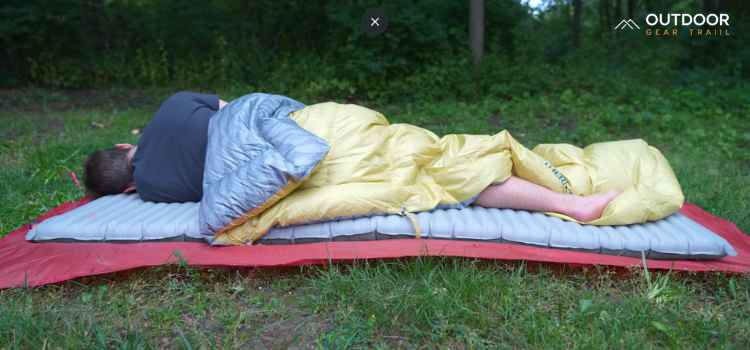
A warm sleeping bag cannot compensate fully for inadequate insulation underneath your body. When you lie down, the insulation beneath you becomes compressed, making a suitable sleeping pad essential.
Compare the pad’s R-value, which measures resistance to heat flow. Higher R-values generally indicate greater insulation. Choose a pad suitable for the expected temperatures and your overall sleep system.
Best Budget Sleeping Bag for Different Countries and Climates
USA: Versatile Three-Season Camping
For spring and autumn trips in many parts of the United States, a sleeping bag with a comfort rating around 20–30°F (-7 to -1°C) may be suitable, depending on the location. Mountain areas and northern states can become much colder.
For campground trips, prioritize value and durability. For backpacking, pay closer attention to weight and packed size.
Canada: Extra Warmth for Shoulder Seasons
Temperatures can drop quickly in Canadian forests and mountain regions. Check overnight forecasts and allow for colder conditions at higher elevations.
For freezing conditions, compare winter sleeping bags with appropriate comfort ratings and insulated sleeping pads. A cheap summer bag is not a safe substitute.
Australia: Match the Bag to the Region
Australia’s climate varies considerably. Mild coastal camping may require less insulation than winter trips in the Australian Alps or Tasmania.
For warmer destinations, a lighter bag may be enough. For alpine camping, choose a sleeping bag and pad suited to the expected overnight low.
Italy: Summer Hiking and Mountain Nights
A lightweight three-season bag can work for many summer camping trips at lower elevations. The Dolomites and other mountain areas can experience much colder nights.
Backpackers should balance insulation, weight, and packed size. For camping outside summer, check local weather and select a warmer bag.
Other European Countries: Consider the Season
Camping in southern Europe during summer is different from camping in the Alps or northern Europe in autumn. Choose a sleeping bag based on the expected overnight low rather than the country alone.
Where available, ISO-tested temperature ratings can make comparisons between different brands easier.
How to Stay Warm in a Budget Sleeping Bag
- Change into dry base layers. Avoid sleeping in damp clothes after hiking or sweating.
- Use an insulated sleeping pad. Reduce heat loss to the ground.
- Wear a warm hat when appropriate. This may improve comfort in a cold sleeping environment.
- Keep your sleeping bag dry. Use a waterproof pack liner or dry bag during wet trips.
- Eat enough food and drink fluids. Go to bed nourished and hydrated.
- Manage tent condensation. Ventilate your shelter appropriately while protecting yourself from wind and rain.
- Store your sleeping bag correctly. Follow the manufacturer’s instructions and avoid prolonged compression.
- Test your setup before a remote trip. Try it in a safe, accessible location before relying on it in colder conditions.
Safety reminder: Never use a camping stove, charcoal burner, or fuel-burning heater inside a tent or sleeping bag to keep warm. These devices can cause carbon monoxide poisoning or fire.

Common Mistakes to Avoid When Buying a Cheap Sleeping Bag
Buying Based Only on the Advertised Temperature
A temperature in a product title does not necessarily indicate the temperature at which you will sleep comfortably. Check whether the rating is a comfort rating, a lower-limit rating, or an unverified manufacturer claim.
Choosing the Cheapest Model for Winter Camping
An inexpensive bag may work well for summer camping but be unsuitable for freezing weather. Do not sacrifice essential warmth to meet a strict budget.
Ignoring the Packed Size
A heavy rectangular bag can be fine for car camping. On a multi-day hike, however, it may occupy too much backpack space and add unnecessary weight.
Assuming Every Adult Needs the Same Bag
A tall camper, a broad-shouldered sleeper, and someone who feels cold easily may need different sizes or insulation levels. Consider fit and personal comfort before purchasing.
Forgetting to Check Return Policies
When shopping online, verify the exact model, size, current specifications, and return policy. This is particularly important when buying from international marketplaces.

Frequently Asked Questions
1. What is the best budget cold weather sleeping bag for adults?
The best option depends on your budget, expected temperatures, and camping style. Consider the Coleman Brazos for basic campground use, the Kelty Cosmic 20 Down for backpacking, the Marmot Trestles Elite Eco 20 for synthetic insulation, and the TETON Sports Celsius XXL for spacious car camping. Confirm the exact model’s specifications before buying.
2. Is a 20-degree sleeping bag warm enough for winter camping?
Not necessarily. A 20°F (-7°C) bag may suit some cold-weather trips, but warmth depends on the rating standard, sleeping pad, clothing, shelter, and personal cold tolerance. Choose a bag with a comfort rating appropriate for the lowest expected temperature.
3. Are cheap sleeping bags worth buying?
Yes, if you match the bag to your intended use. Affordable synthetic bags can be suitable for casual camping and mild conditions. For winter camping, prioritize verified temperature ratings and adequate insulation over the lowest price.
4. Is synthetic or down insulation better for cold weather?
Both can work well when properly selected. Down is generally lighter and more compressible, while synthetic insulation is often more practical in damp conditions. The best option depends on climate, budget, and intended use.
5. What temperature rating should I choose for camping in Canada?
Choose a bag based on location, season, elevation, and expected overnight low. For below-freezing trips, use a suitable cold-weather comfort rating and an adequately insulated sleeping pad.
6. Can I use a cold-weather sleeping bag in Australia or Italy?
Yes. Choose a bag according to the local climate and season. A warm winter bag may be uncomfortable in summer, while alpine areas can require substantially more insulation than warmer lowland destinations.
7. How can I make a budget sleeping bag warmer?
Use an insulated sleeping pad, wear dry base layers, keep the bag dry, and use its hood and draft collar when available. These steps improve comfort but cannot make an inadequately rated bag safe for colder temperatures.
8. Is a zero-degree sleeping bag suitable for extreme cold?
A zero-degree label alone is not enough to determine suitability. Check the published comfort and lower-limit ratings and the manufacturer’s intended use. Severe cold requires a properly rated winter sleep system.
9. Should I buy a mummy or rectangular sleeping bag?
A mummy bag generally retains warmth efficiently and is well suited to cold-weather backpacking. A rectangular bag provides more room and can be comfortable for car camping in milder conditions.
10. How much should I spend on a budget cold-weather sleeping bag?
Your budget should reflect the conditions you expect. Compare several models and their current prices, comfort ratings, insulation types, and weights. Avoid sacrificing essential warmth just to meet a low price target.
Final Verdict: Which Budget Sleeping Bag Should You Choose?
A comfortable night outdoors begins with choosing the right sleeping system, not simply buying the cheapest sleeping bag.
- For budget campground trips: Compare the Coleman Brazos and similar affordable synthetic bags.
- For backpacking: Consider the Kelty Cosmic 20 Down if its tested temperature rating suits your trip.
- For damp conditions: Compare synthetic options such as the Marmot Trestles Elite Eco 20.
- For extra room and car camping: Consider the TETON Sports Celsius XXL after checking the exact model’s specifications.
Before buying, compare the current model’s comfort rating, dimensions, weight, insulation type, and price. Availability and specifications may differ between the USA, Canada, Australia, Italy, and other European markets.
For your first purchase, a moderately priced synthetic bag with a suitable published comfort rating may offer a good balance of cost, maintenance, and camping practicality. If you plan to camp in freezing weather regularly, invest in a properly rated sleeping bag and sleeping pad rather than relying on a budget bag beyond its intended limits.
Editorial note: This article is a buying guide, not a firsthand product test. Verify product specifications and add genuine testing observations before making claims about personal experience.