
As an Amazon Associate I earn from qualifying purchases.
Your feet are your most valuable asset when you hit the trail—whether for a quick hike, an adventurous run, or a multi-day backpacking trip. Protecting them should be at the top of your list, and walking ankle gaiters are one of the easiest and most effective tools. These small but mighty accessories shield your ankles and footwear from debris, water, and other trail hazards, keeping your adventures comfortable and hassle-free.
So, why are walking ankle gaiters a must-have for outdoor enthusiasts? Let’s explore everything you need to know, from how they work to how to size, wear, and care for them.
Quick answer: Walking ankle gaiters are short, lightweight covers that seal the gap between your shoe and your ankle. They keep out grit, seeds, mud splash, and wet grass. They work best on dry-to-damp, moderate trails. For deep snow or heavy bushwhacking, step up to a taller gaiter.

What Are Walking Ankle Gaiters?
Definition and Purpose
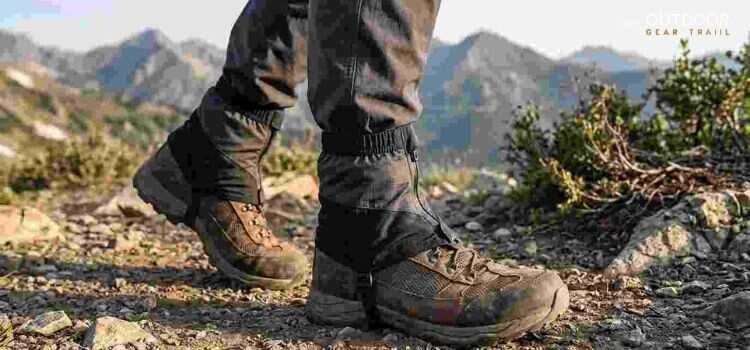
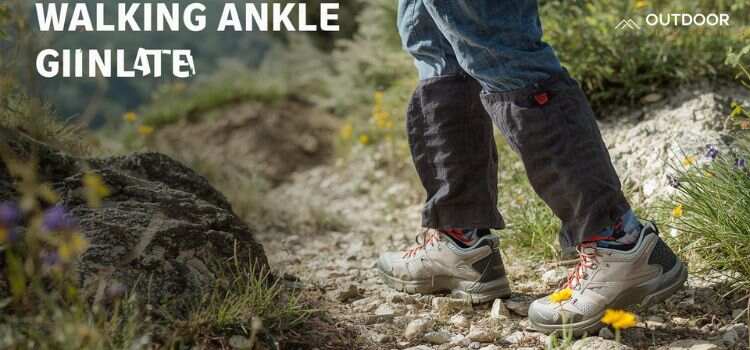
Walking ankle gaiters are lightweight, protective covers that wrap around your ankle and the top of your shoes.
Picture this: you’re on a rugged trail, navigating rocky terrain, and a loose pebble finds its way into your shoe. Ankle gaiters stop that scenario before it starts, so your hike stays smooth and uninterrupted.
Unlike full-length gaiters extending to the knees, ankle gaiters are compact. They’re designed to guard against trail debris, moisture, and insects.
Anatomy of an Ankle Gaiter
Gaiters look simple, but a few small parts do the heavy lifting:
- Top closure: An elastic cord or strap that cinches the gaiter around your ankle.
- Front opening: A hook-and-loop strip or zipper that lets you take the gaiter on and off easily.
- Lower boot section: Often a tougher, thicker fabric that resists scuffs where your shoe meets the gaiter.
- Lace hook: A small hook at the front that clips onto your laces to hold the gaiter down.
- Instep (stirrup) strap: A cord or strap that runs under your arch to keep the gaiter snug against your shoe and form a seal.
- Heel hook-and-loop: Found on some lightweight gaiters. It sticks to a patch on your shoe’s heel instead of using an instep strap.
How They Differ From Full-Length Gaiters
Full-length gaiters are great for snowy or highly muddy conditions but can be bulky. Ankle gaiters, on the other hand, are lightweight and ideal for dry, moderate, or mildly wet conditions.
Here’s how the three common heights compare:
| Height | Coverage | Best For | Typical Weight (Pair) |
|---|---|---|---|
| Low / Ankle | Ankle and top of the shoe | Trail runners, low hiking shoes, warm and dry trails | About 1.5–3 oz |
| Mid | Roughly two-thirds of the lower leg | Mud, light snow, brush, and shoulder seasons | About 3–6 oz |
| Full / Knee-High | Full shin up to the knee | Deep snow, thorny bushwhacking, heavy mud | About 6–8 oz |
When Should You Wear Walking Ankle Gaiters?
You don’t need a mountain expedition to justify a pair. Ankle gaiters earn their keep on everyday outings:
- Dusty or gravelly day hikes: They stop grit from working its way into your socks.
- Trail running: No more stopping to shake out pebbles mid-stride.
- Dewy mornings and tall wet grass: Wet grass and weeds are often a bigger threat to dry feet than streams.
- Desert and sandy trails: They keep out sand, seeds, and burrs.
- Muddy shoulder seasons: They block splashes and slop from reaching your socks.
- Yard work and fieldwork: Gaiters are handy anywhere debris loves to find your shoes.
If you’re heading into deep snow, heavy rain, or thick brush, a mid or full-length gaiter is the better call.
7 Benefits of Using Walking Ankle Gaiters
Walking ankle gaiters provide several advantages for outdoor adventures, especially hiking. These practical accessories protect you and add comfort and convenience.
Here are the seven key benefits.
1. Protects Against Debris and Dirt
This is the big one. Whether you’re trekking through a forest, walking in tall grass, or hiking rocky terrain, gaiters act as a barrier.
They stop small rocks, sand, dirt, and seeds from entering your shoes. That keeps your feet clean and comfortable, and it helps prevent blisters.
2. Prevents Scrapes and Cuts
Thorny bushes, branches, and sharp rocks are common on the trail. Walking ankle gaiters shield your ankles and the tops of your shoes from scrapes.
The durable fabric adds a protective layer in rough environments. For full shin and calf protection, step up to a taller gaiter.
3. Keeps Your Feet Drier
Ankle gaiters help block rain splash, dew, wet grass, and puddle spray from running down into your shoes. That means fewer soggy socks and a lower chance of blisters.
One honest caveat: water that comes over the top of your shoe will still get in. Low gaiters won’t save you in a deep stream crossing, so plan accordingly.
4. Enhances Comfort During Long Walks
Whether you’re hiking or walking for extended periods, comfort is essential. By keeping out debris, sand, and moisture, gaiters help you avoid hot spots and irritation.
Less stopping to empty your shoes means more time enjoying your adventure.
5. Keeps Your Stride Steady on Uneven Terrain
When sand and pebbles aren’t collecting under your foot, your socks and shoes stay put and your stride feels natural. That can help you feel steadier on uneven ground.
Just make sure the instep strap sits flush against your shoe. A loose strap can catch on roots and rocks.
6. Offers Versatility for Different Environments
Ankle gaiters work on forest trails, rocky paths, desert routes, and muddy tracks. They’re handy in dry and mildly wet conditions across different seasons.
They also help with light snow. For deep snow, go taller.
7. Lightweight and Easy to Carry
Despite their protective qualities, ankle gaiters are incredibly light, with most low models weighing roughly 1.5–3 oz per pair. They fold up small in your backpack or gear bag.
That makes them an easy addition that won’t weigh down your load.
Bonus Benefits You Might Not Expect
- Longer-lasting gear: Gaiters shield shoe uppers and socks from trail wear and tear.
- Cleaner pants: They help keep trouser hems out of the mud.
- Insect protection: They can help keep ticks and bugs off your ankles. They’re no substitute for repellent and tick checks, though.
- Gentler on the trail: With dry-feet confidence, you’re more likely to walk straight through mud instead of widening the trail around it.

Types of Walking Ankle Gaiters
By Style
Ultralight Gaiters: Perfect for trail runners and fast-packers, ultralight gaiters prioritize weight and breathability.
Waterproof Gaiters: These are essential for wet climates, providing excellent protection against rain and mud. The trade-off is less breathability.
Trail-Specific Gaiters: Designed for rocky or uneven terrain, these gaiters offer added durability and grip.
Running Gaiters: Usually made from softshell or stretchy fabric, they fit much closer than walking gaiters and are great for off-road and fell running.
By Closure and Attachment
- Hook-and-loop front: Simple, quick to put on, and easy to repair. This is the most common style.
- Zipper front: Strong and easy to use, but water can seep through the zip on some models.
- Pull-on (step-through): You slip your foot through before putting on your shoes. These have no zips or buckles to fail, but they’re less convenient to adjust mid-hike.
- Heel Velcro or “gaiter trap”: Some lightweight gaiters stick to a patch on your shoe’s heel. A few trail running shoes, such as Altra and Merrell, come with this built in.
Materials Used in Walking Ankle Gaiters
Standard Fabrics: Durable materials like nylon, polyester, and Gore-Tex are popular because they are water—and abrasion-resistant. Lightweight gaiters often use spandex or stretch blends for flexibility and airflow.
Durability Considerations: High-quality gaiters often feature reinforced stitching and ripstop fabric to handle rugged trails. Look for tougher fabric on the boot area, such as higher-denier nylon, where wear is heaviest.
Waterproof vs. Breathable: The more waterproof a gaiter is, the less it breathes. Most walking gaiters use a DWR (durable water repellent) finish to shed light rain. Fully waterproof membranes keep out more water but can trap sweat.
Eco-Friendly Options: Some brands offer gaiters made from recycled or sustainable materials, appealing to eco-conscious hikers.
Related: 5 Best waterproof gaiters for hiking women’s
Read more: How To Choice The Best Snake Gaiters For Hiking
How to Choose the Right Walking Ankle Gaiters
Choosing the right pair of walking ankle gaiters can elevate your outdoor experience. Whether hiking through the woods, walking in the city, or just trying to keep your shoes dry in the rain, finding the perfect gaiters can make a world of difference. Here’s a more personal take on what to consider when selecting them:
1. What Are You Doing?
- Casual Walks: If you’re mostly walking on smooth paths or in urban areas, you’ll want something lightweight that keeps debris like dirt and gravel out of your shoes—nothing too heavy or bulky.
- Adventurous Hikes: If you’re venturing off the beaten path, think about going for something more rugged that can handle mud, snow, and brush. You’ll want a gaiter that can protect your legs and boots from all the elements.
- Trail Running and Fast Hiking: Go ultralight and close-fitting so nothing bounces or catches.
2. Material Matters
- Waterproofing: You’ll need gaiters made from water-resistant or waterproof materials like Gore-Tex or coated nylon for wet conditions. This way, you can avoid soggy socks! Keep in mind that more waterproofing means less airflow.
- Breathability: No one likes sweaty legs. Look for breathable fabrics so you don’t overheat or trap moisture inside your gaiters.
- Durability: If you’re headed into the wild, choose a durable material like Cordura or tough nylon, especially when dealing with rough terrain. Very light spandex gaiters can snag on sharp roots and branches.
3. Fit Is Key
- Sizing: Gaiters should fit snugly around your ankle and calf without cutting off circulation. Most are sized by shoe size, and some also use calf width, so check the size chart. A gaiter that’s too loose leaves gaps for debris. One that’s too tight is uncomfortable and may not stay in place.
- Adjustability: Look for gaiters with adjustable straps that can fit securely. Adjustable Velcro or buckles will ensure they stay put while you move.
- Comfort: Comfort is essential. Ensure the gaiters won’t restrict your movement, especially around the ankle and calf. Some even come with extra padding on the straps, which can make a big difference.
- Try before you trust: Walk around in them and check for rubbing or pinching. Sizing can vary a lot between brands, and a few run small.
4. Height and Coverage
- Low Gaiters: Perfect for lighter, more leisurely walks where you don’t need a lot of extra protection. These will guard your ankles without feeling bulky.
- Mid or High Gaiters: If you tackle rougher terrain or face inclement weather, go for mid or high-rise gaiters. They cover more of your leg and offer extra protection from the elements.
5. Weather Protection
- Snow and Cold: If you’re walking through snow or in cold temperatures, look for waterproof, insulated gaiters to keep your feet and legs warm.
- Rainy Days: For wet weather, ensure the gaiters are fully waterproof with sealed seams so you don’t get soaked.
- Warm Weather: In hot climates, gaiters with breathable panels will help keep you cool and ventilated.
6. Attachment and Footwear Compatibility
- Know your shoes: Some gaiters are built for trail runners, others for hiking shoes or boots. Match the gaiter to your footwear.
- Check the attachment: Lace hooks need laces they can grab. Heel-Velcro gaiters need a Velcro patch on your shoe, which you may have to stick or glue on yourself.
- Mind the instep strap: It should sit flush against your sole. Hard plastic straps can click on rocks and feel slick on flat-soled shoes. Many are removable or replaceable.
7. Convenience
- Easy On, Easy Off: When you’re in a hurry, gaiters that are easy to put on and take off are a huge plus. Look for simple zippers or Velcro that make getting in and out quick and painless.
- Cleaning: Gaiters can get dirty, especially if you’re walking in muddy conditions. Choose ones that are easy to clean or wipe down for minimal maintenance.
8. Price and Brand Trust
- Budget: There’s a wide range of prices out there. Generally, mid-range gaiters give you the best balance of durability, comfort, and function without breaking the bank. Budget options exist too, and simple pull-on styles can cost around $20.
- Trusted Brands: If unsure, go for well-known brands like REI, Outdoor Research, or Salomon. They’ve built solid reputations for making high-quality outdoor gear that lasts.
9. Extra Features
- Visibility: Some gaiters have reflective elements, which can be a lifesaver in low-light conditions.
- Traction: Certain gaiters are designed for extra traction, which is excellent for icy or slippery conditions.
- Boot Compatibility: Make sure the gaiters fit comfortably over your boots, especially if you’re using hiking shoes or trail boots. You want a secure fit that keeps out dirt, water, and debris.
- Replaceable parts: Gaiters with swappable instep straps last longer and create less waste.
10. Listen to the Community
- Before committing, read user reviews. Other walkers and hikers can provide invaluable insights into how durable, comfortable, and functional the gaiters are in real-world conditions.
Ultimately, choosing the proper ankle gaiters comes down to understanding your needs and what will keep you most comfortable and protected on your walks. By considering these factors, you’ll be well on your way to finding a pair that perfectly suits your adventures!
Top Brands and Recommendations
Popular Gaiter Brands
Brands like Outdoor Research, Black Diamond, and Salomon are known for their innovative designs. Outdoor Research excels in durability, Black Diamond offers premium features for rugged terrain, and Salomon specializes in lightweight options for trail runners.
[Add 1–2 sentences here about your own hands-on experience with gaiters or how you chose these picks. Firsthand experience builds trust with readers and with Google.]
Noteworthy Products in the Market
- Outdoor Research Rocky Mountain Low Gaiters: A versatile option for hikers.
- Salomon Trail Gaiters Low: Great for trail running.
- Kahtoola INSTAgaiter Low: Lightweight and durable. It has a zipper for easy on and off, though the hard plastic instep strap can feel slick on flat-soled trail runners.
- Dirty Girl Gaiters: A long-time thru-hiker favorite. They’re stretchy, colorful, and cost around $20, with no zippers or buckles to break. They do need a heel Velcro patch on your shoe.
- Altra Trail Gaiter: Simple, breathable, and affordable. They work best with Altra or Merrell shoes that have a built-in gaiter trap.
- Sea to Summit Tumbleweed Ankle Gaiters: The brand’s lightest, lowest-cut option, made from breathable nylon with an easy hook-and-loop front.
- Mountain Warehouse Ankle Gaiters: A budget-friendly, water-resistant pick with an underfoot strap and drawcord fit.
Quick Comparison of Popular Ankle Gaiters
| Gaiter | Best For | Material | Attachment | Heads-Up |
|---|---|---|---|---|
| Dirty Girl Gaiters | Thru-hiking, trail running | Spandex | Lace hook + heel Velcro | Needs a Velcro patch on the shoe heel |
| Altra Trail Gaiter | Trail running, light hiking | Nylon and spandex | Lace hook + heel hook-and-loop | Only two sizes |
| Kahtoola INSTAgaiter Low | Hiking, backpacking | Nylon with DWR | Zipper + lace hook | Zipper can let water seep in |
| Sea to Summit Tumbleweed | Easy hikes, running, warm dry days | Breathable nylon | Hook-and-loop front + underfoot cord | Very light, low coverage |
| Mountain Warehouse Ankle Gaiters | Budget walking, wet grass, mud | Polyester with DWR | Webbing underfoot strap + optional lace hook | Water-resistant, not fully waterproof |
Features and prices change between versions and retailers, so always check the current listing before you buy.
How to Put On Walking Ankle Gaiters (Step by Step)
Proper Fitting Techniques
Set up your gaiters at home before your first hike. Adjusting them on the trail wastes time. Here’s the routine for front-opening gaiters:
- Check left and right. Some gaiters are side-specific, so match them to the correct foot.
- Open the front fully and wrap the gaiter around your ankle.
- Close the front with the hook-and-loop strip or zipper, then slide the gaiter down until it meets your shoe.
- Clip the lace hook onto your laces. This anchors the front and helps form a seal.
- Adjust the instep strap. It should sit snugly in your shoe’s arch, with the adjuster on the outside of your foot. Leave a little extra length in case you switch shoes.
- Cinch the top cord so it’s close-fitting but doesn’t restrict circulation.
- Walk around. Check for gaps, rubbing, or a strap that sticks out and could trip you.
Pull-on gaiters: Slip your foot through before putting on your shoes, then clip the lace hook and attach the heel Velcro.
Wet weather tip: In heavy rain, wear taller gaiters under your rain pants so water runs off the outside instead of down into your shoes.
Caring for Your Walking Ankle Gaiters
Quick Check Before Each Trip: Look over the instep strap, lace hook, zipper, and Velcro. These small parts wear out first, and most can be replaced.
Cleaning and Drying: Brush off dirt first, then wash gently with mild soap and warm water. Air dry away from direct heat to maintain waterproofing. Avoid harsh cleaners and high-heat dryers. Check your gaiter’s care label, since most are best hand-washed.
Waterproof Fabrics: Standard detergent can strip waterproofing. Use a technical gear wash for waterproof gaiters, and reapply a DWR spray when water stops beading on the surface.
Storage Tips: Avoid folding them tightly; instead, store them flat or loosely rolled to help preserve the material’s integrity and maintain waterproofing over time. Keep them in a dry, cool place.
Repairing Minor Damages: Patch small tears with fabric adhesive or repair tape to extend their lifespan. If heel Velcro peels off, a thick adhesive works better than thin superglue. A few spare Velcro pieces, safety pins, or small zip ties make handy trail repairs.
Common Misconceptions About Walking Ankle Gaiters
“They’re Only for Snowy Trails”
While they excel in snow, ankle gaiters are also invaluable on dusty, rocky, or muddy trails.
“They Add Unnecessary Weight”
Most ankle gaiters weigh just 1.5–3 oz per pair, about as much as a pair of light socks. That makes them a feather-light addition to your gear.
“They Make Your Feet Sweaty”
Breathable stretch or mesh-style ankle gaiters barely affect airflow. Heat builds up mainly with thicker or waterproof fabrics, so choose lighter materials for warm weather.
“Any Gaiter Fits Any Shoe”
Not quite. Attachment style, size, and shoe shape all matter. Some gaiters need a heel Velcro patch, and others work best with boots. Check compatibility before you buy.
Walking Ankle Gaiters for Different Activities
Hiking: They protect against dirt, rocks, and occasional water crossings.
Running: They keep trail debris from interrupting your stride.
Backpacking: Ankle gaiters help keep your footwear clean, extending the life of your gear.
Everyday Walks and Yard Work: They keep grass, seeds, and mud out of your shoes, whether you’re walking the dog or tackling a weekend project.

Pros and Cons of Walking Ankle Gaiters
| Pros | Cons |
|---|---|
| + Lightweight and easy to use + Effective protection against debris + Suitable for a variety of activities + Affordable + Extends the life of shoes and socks | – Limited coverage compared to full-length gaiters – Less effective in extreme weather conditions – Straps and Velcro can wear out over time – Must be compatible with your footwear |
Alternatives to Walking Ankle Gaiters
Full-Length Gaiters: Ideal for deep snow or extremely muddy trails.
Mid-Height Gaiters: A middle ground with more shin coverage than ankle gaiters, without the bulk of knee-high models.
Trail Running Shoes with Built-In Protection: These are convenient but less versatile than separate gaiters.
FAQ
What are walking ankle gaiters used for?
Walking ankle gaiters keep debris, mud splash, seeds, sand, and wet grass out of your shoes. They are popular for hiking, trail running, and everyday walks on dry-to-damp trails.
Do I need gaiters for day hikes?
Not always, but they help on muddy trails, in tall grass, on dusty or gravelly paths, and when walking through brush. If you hate stopping to empty your shoes, they are worth it.
Are ankle gaiters waterproof?
Most are water-resistant, not fully waterproof. They shed light rain, dew, and splash, but water that comes over the top of your shoe will still get in. Waterproof versions exist, but they breathe less.
How do I choose the right size?
Most ankle gaiters are sized by shoe size, and some also consider calf width. Check the size chart, walk around in them, and make sure they are snug without pinching. Some brands run small.
Can I wear ankle gaiters with trail running shoes?
Yes. Many are designed for trail runners. Check the attachment: lace hooks need laces to grab, and some gaiters need a Velcro patch on the heel. A few shoes, such as Altra and Merrell, have a built-in gaiter trap.
How do I stop my gaiters from riding up or slipping?
Make sure the instep strap sits snug and flush under your arch, clip the lace hook onto your laces, and cinch the top cord so it is close-fitting without cutting off circulation. Heel Velcro helps on pull-on styles.
How long do ankle gaiters last?
With care, many last several seasons or more. The parts that fail first are usually the instep strap, lace hook, zipper, or heel Velcro, and many of these can be replaced or repaired.
How do I wash ankle gaiters?
Brush off dirt, then hand wash gently with mild soap and warm water and air dry. Avoid high heat. Use a technical wash for waterproof gaiters, and reapply a DWR treatment when water stops beading. Always check the care label.
Do ankle gaiters protect against snakes or ticks?
Ankle gaiters can help keep ticks and bugs off your ankles, but they are not a substitute for repellent or tick checks. Low gaiters are not reliable snake protection, since they do not cover the lower leg.
Conclusion
Walking ankle gaiters might be small, but pack a big punch when protecting your feet on the trail. They’re an easy, effective way to keep your feet comfortable, clean, and dry no matter where your adventures take you.
If you’re new to hiking or trail running, consider starting with an affordable pair to experience the difference they make firsthand. Whether you’re a seasoned backpacker or heading out for a weekend hike, ankle gaiters are a game-changer for any outdoor enthusiast.
Read more: What Shoes To Wear Hiking In Arizona: Expert Tips and Top Picks