As an Amazon Associate I earn from qualifying purchases.
If you spend most of your day walking on sidewalks, city streets, parking lots, or other hard surfaces, you may wonder whether your hiking shoes are actually a good choice. Hiking shoes are built for trails, rocks, dirt, and uneven ground, so it is reasonable to ask: are hiking shoes good for walking on concrete?
The short answer is yes, hiking shoes can be good for walking on concrete, especially if you value traction, durability, and foot support. However, they are not automatically the best option for every urban walker. Some hiking shoes are heavier and stiffer than walking shoes, while others provide a comfortable balance between trail protection and everyday flexibility.
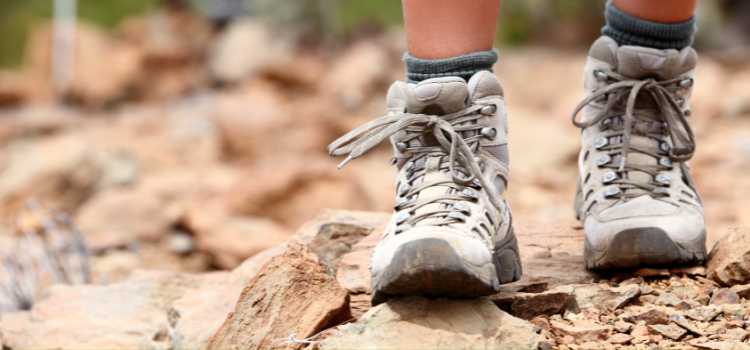
Are Hiking Shoes Good for Walking on Concrete?
For many people, hiking shoes work perfectly well on concrete. Their durable construction, supportive midsoles, protective uppers, and rubber outsoles can make them comfortable for long days that involve both pavement and outdoor terrain.
That said, hiking shoes are designed primarily for uneven surfaces. If your daily routine consists almost entirely of smooth sidewalks and indoor floors, a lightweight walking or running shoe may feel softer and more flexible.
The best choice depends on how you walk, how much support you need, the shape of your feet, and where you normally wear your shoes.
Why Concrete Can Feel Hard on Your Feet
Concrete is considerably less forgiving than grass, dirt, or many natural walking surfaces. When you spend several hours walking on pavement, your feet and legs repeatedly deal with the same hard surface.
This does not mean that walking on concrete is inherently bad. Millions of people walk on sidewalks every day without problems. The bigger issue is whether your footwear provides the comfort, fit, and support you personally need.
Common Problems From Long Walks on Hard Surfaces
- Foot fatigue: Long periods on hard pavement can leave your feet feeling tired, especially when your shoes lack adequate cushioning.
- Heel and arch discomfort: A poor fit or insufficient cushioning can make long walks uncomfortable.
- Knee and leg fatigue: The repetitive nature of walking on hard surfaces can contribute to general lower-body fatigue.
- Hot spots and blisters: Shoes that are too tight, too loose, or poorly ventilated can create friction during longer walks.
If you regularly experience pain rather than ordinary fatigue, it is worth addressing the underlying issue instead of simply buying a more heavily cushioned shoe. Persistent foot or joint pain should be discussed with an appropriate healthcare professional.

Hiking Shoes vs. Walking Shoes for Concrete
Hiking shoes and walking shoes are built with different priorities. Hiking footwear generally emphasizes durability, traction, protection, and stability. Walking shoes tend to focus more heavily on lightweight construction, flexibility, and cushioning for repetitive movement on relatively predictable surfaces.
Neither design is automatically better. The right option depends on the type of walking you actually do.
Where Hiking Shoes Have an Advantage
- Durability: Many hiking shoes are made with tougher materials designed to handle outdoor use.
- Traction: Their rubber outsoles are designed to grip a variety of surfaces.
- Protection: Some models offer reinforced toe areas and uppers that provide more protection than lightweight sneakers.
- Stability: A supportive construction can feel reassuring when your route includes curbs, gravel, stairs, or uneven ground.
- Versatility: One pair can work for city walking and weekend trails.
Where Walking Shoes May Be Better
- Lower weight: Lightweight walking shoes can feel easier to wear for hours.
- Flexibility: They often bend more easily than traditional hiking footwear.
- Urban comfort: Some walking shoes are specifically designed around the repetitive movement of pavement walking.
- Breathability: Lightweight mesh uppers can be more comfortable in warm weather.
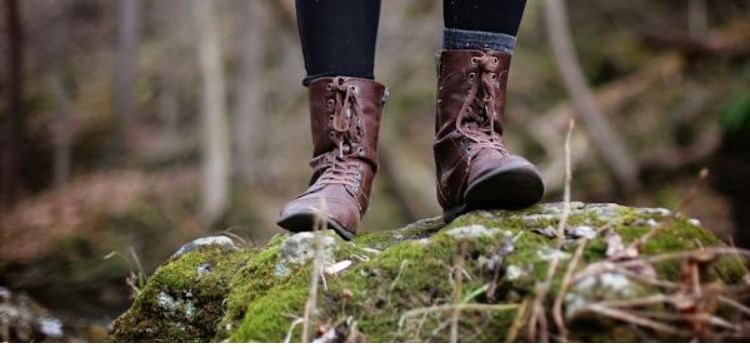
What Makes a Hiking Shoe Comfortable on Concrete?
Not every hiking shoe feels the same on pavement. If you plan to use yours for everyday city walking, pay attention to several important features.
1. Cushioning
A comfortable midsole can make a noticeable difference during long walks. Look for a hiking shoe that provides enough cushioning for your feet without feeling unstable or excessively soft.
2. Fit and Toe Room
Even a well-cushioned shoe will become uncomfortable if it does not fit correctly. Your toes should have enough room to move naturally without your foot sliding around inside the shoe.
Pay particular attention to the width of the toe box. If your toes are squeezed together, a different shoe shape may be more important than additional cushioning.
3. Outsole Traction
Hiking shoes usually have aggressive tread patterns designed for dirt, rocks, and loose terrain. On dry concrete, you may not need such aggressive traction, but a quality rubber outsole can still be useful when sidewalks are wet or when your route includes different surfaces.
4. Weight
Weight becomes more noticeable as your walking distance increases. A rugged hiking shoe may be excellent for a weekend trail but unnecessarily heavy if you spend eight hours walking around a city.
5. Flexibility
For mostly urban walking, moderate flexibility can make a hiking shoe feel more natural. A very stiff boot-style hiking shoe may be better suited to demanding trails than daily pavement.

When Hiking Shoes Are a Great Choice for City Walking
Hiking shoes make particularly good sense when your walking routine changes throughout the day. For example, you may walk several miles on sidewalks before heading onto a park trail or gravel path.
They are also useful if you want one versatile pair of shoes for travel. Instead of packing separate footwear for city sightseeing and light hiking, a comfortable low-cut hiking shoe can handle both situations.
- Walking on sidewalks and paved trails.
- Traveling between cities and outdoor destinations.
- Walking through parks with mixed surfaces.
- Light hiking followed by urban sightseeing.
- Daily outdoor use where durability matters.
If you are looking for hiking footwear for a specific destination, our guide to the best hiking shoes for Hawaii can also help you compare features suited to mixed outdoor conditions.
When Walking Shoes May Be the Better Option
If almost all of your walking happens on smooth pavement, you may not need the extra protection and aggressive outsole of a hiking shoe.
A lightweight walking shoe can be a better fit when your priorities are low weight, flexibility, breathability, and everyday cushioning.
This is especially worth considering if you spend most of your day walking indoors, around shopping centers, on paved neighborhood streets, or on well-maintained sidewalks.
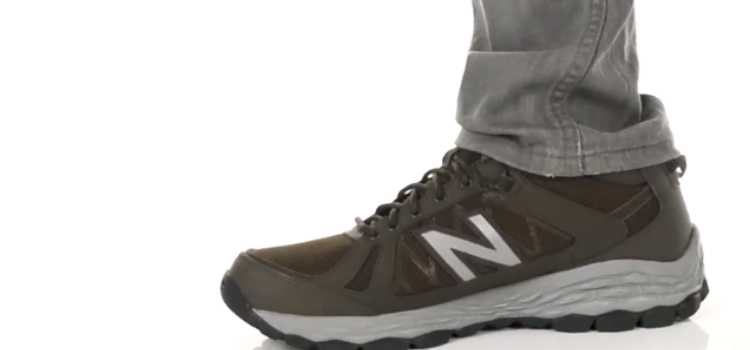
How to Choose Hiking Shoes for Walking on Concrete
Instead of choosing a hiking shoe simply because it looks rugged, compare the features that will actually affect your everyday comfort.
- Choose the right fit: Your heel should feel secure without being squeezed.
- Look for useful cushioning: Enough cushioning can make long pavement walks more comfortable.
- Consider a low-cut design: Low hiking shoes are often more convenient for urban walking than heavy hiking boots.
- Check the outsole: A durable rubber outsole is useful for mixed surfaces.
- Think about breathability: Mesh or breathable materials can be valuable in warmer climates.
- Consider your walking distance: The farther you walk, the more important comfort and weight become.
- Don’t ignore width: A comfortable toe box can matter just as much as cushioning.
How to Make Long Concrete Walks More Comfortable
Your footwear is only one part of the equation. A few simple habits can also make long walks easier on your feet.
Keep Your Stride Natural
There is no need to force an unusually long stride. Walk at a comfortable pace and allow your steps to remain natural. If your feet or legs start feeling excessively tired, take a short break instead of pushing through discomfort.
Pay Attention to Your Posture
Keep your head up, shoulders relaxed, and eyes looking ahead. Comfortable posture can help you maintain a more natural walking pattern, especially during long city walks.
Replace Worn-Out Shoes
Even a high-quality hiking shoe eventually wears down. Check the outsole for excessive wear and inspect the midsole and upper for signs of deterioration. If the shoe no longer feels supportive or comfortable, replacing it may be more sensible than trying to extend its life indefinitely.
Are Waterproof Hiking Shoes Good for Concrete?
Waterproof hiking shoes can work well on concrete, particularly in rainy climates or when your walking route includes wet grass and muddy areas. However, waterproof construction is not automatically better for everyday city walking.
Waterproof materials can sometimes feel warmer than highly breathable mesh. If you live somewhere hot and mainly walk on dry pavement, a breathable hiking shoe may be more comfortable.
In wet or changeable weather, however, waterproof hiking shoes can provide useful versatility.
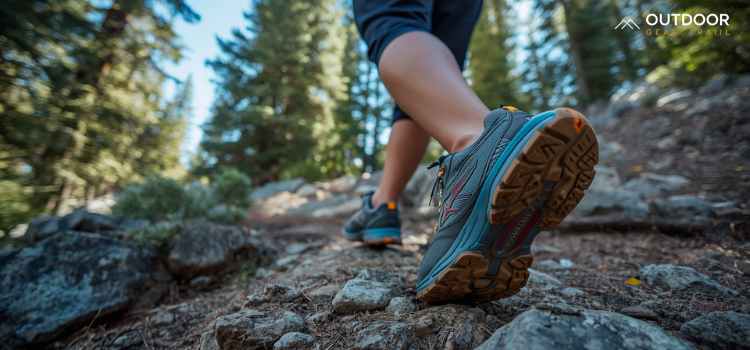
Hiking Shoes vs. Sneakers for Everyday Walking
If you are deciding between hiking shoes and regular sneakers, think about your environment rather than choosing based solely on appearance.
| Feature | Hiking Shoes | Walking Sneakers |
|---|---|---|
| Concrete walking | Good | Excellent |
| Uneven trails | Excellent | Limited |
| Durability | Usually high | Varies |
| Traction | Usually strong | Usually moderate |
| Weight | Usually heavier | Usually lighter |
| Trail protection | Better | Limited |
| Urban flexibility | Varies by model | Usually excellent |
The comparison shows why there is no universal winner. A lightweight hiking shoe can be an excellent compromise if you want something that works on both pavement and trails.
What Real-World Use Tells You
Product specifications can tell you about cushioning, materials, outsole construction, and weight, but your own walking environment matters just as much.
For example, someone walking two miles on smooth sidewalks may prefer a lightweight shoe, while a traveler who walks through a city in the morning and hikes a rocky trail in the afternoon may appreciate the extra protection of hiking footwear.
When reading reviews, look for comments from people who use the shoes in conditions similar to yours. Pay particular attention to comfort after several hours, fit, durability, traction, and whether the shoes feel too heavy for everyday use.

Best Type of Hiking Shoe for Concrete Walking
For regular pavement walking, a lightweight low-cut hiking shoe is usually a more practical choice than a heavy hiking boot. Look for moderate cushioning, a comfortable fit, good rubber traction, and enough flexibility for a natural stride.
If you frequently switch between pavement and trails, a lightweight trail shoe or hiking shoe can give you a useful middle ground between a traditional sneaker and a rugged hiking boot.
Are hiking shoes good for walking on concrete?
Yes. Hiking shoes can be good for walking on concrete because they often provide durable construction, cushioning, traction, and support. However, lightweight walking shoes may feel more comfortable if you spend most of your time on smooth pavement.
Can hiking shoes be worn every day?
Yes. Many hiking shoes are suitable for everyday use, particularly lightweight low-cut models. They can be a practical choice if your daily routine includes both sidewalks and outdoor trails.
Are hiking shoes too heavy for walking on concrete?
Some are. Heavy hiking boots can feel tiring during long pavement walks. If you primarily walk in the city, consider a lightweight hiking shoe rather than a heavy boot.
Are hiking shoes better than sneakers for walking?
It depends on the terrain. Hiking shoes are generally better when you need durability, traction, and protection on mixed or uneven surfaces. Sneakers or walking shoes may be more comfortable for long periods on smooth pavement.
Are waterproof hiking shoes good for city walking?
They can be, particularly in rainy or wet conditions. However, waterproof shoes may feel warmer than breathable shoes, so consider your local climate and how much time you spend outdoors.
What should I look for in hiking shoes for concrete?
Look for a comfortable fit, adequate cushioning, moderate flexibility, durable rubber traction, and a weight that feels manageable for your normal walking distance. A low-cut design is often more practical than a heavy hiking boot for urban use.
Final Verdict: Can You Walk on Concrete in Hiking Shoes?
Yes, hiking shoes can be an excellent choice for walking on concrete, especially when you want one versatile pair of footwear that can handle both city streets and outdoor trails.
The key is choosing the right type of hiking shoe. For everyday pavement walking, prioritize a comfortable fit, useful cushioning, reasonable weight, and c enough flexibility. If you regularly move between sidewalks, parks, gravel paths, and hiking trails, the durability and traction of hiking shoes become even more valuable.
On the other hand, if your walking is almost entirely on smooth pavement, a dedicated walking or running shoe may provide a lighter and more comfortable experience.
Ultimately, the best footwear is the pair that fits your feet properly, feels comfortable after several miles, and matches the surfaces you actually walk on.
If you’re comparing hiking footwear for different conditions, you may also want to explore our guide to the best hiking shoes for Hawaii.
For more outdoor footwear advice, explore our guides on duck boots for hiking and other hiking footwear topics on Outdoor Gear Trail.
Outdoor Gear Trail editorial note: Footwear recommendations should be based on fit, intended use, terrain, and personal comfort. Product specifications and availability can change, so check the manufacturer’s current information before purchasing.