
As an Amazon Associate I earn from qualifying purchases.
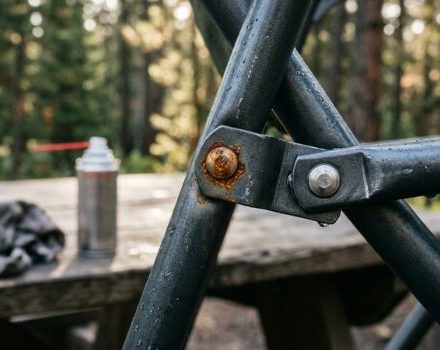
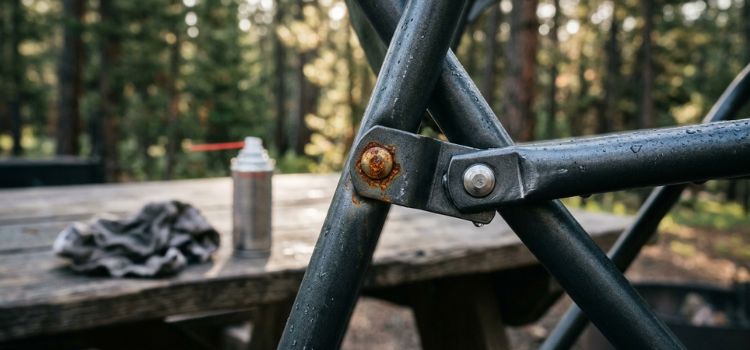
You pull your favorite chair out of the garage and the hinge is orange. The leg rivets are weeping brown streaks onto the seat fabric. It was fine last season. To protect camping chair rust, it’s essential to understand the causes and prevention methods.
Rust doesn’t need much. A damp bag, a night of dew, a weekend near the coast, and a tiny chip in the paint are enough. The good news is that rust on a camp chair is slow, predictable and easy to stop once you know where it starts.
By taking steps to protect camping chair rust, you can prolong the life of your chair and ensure it remains in great condition for your next adventure
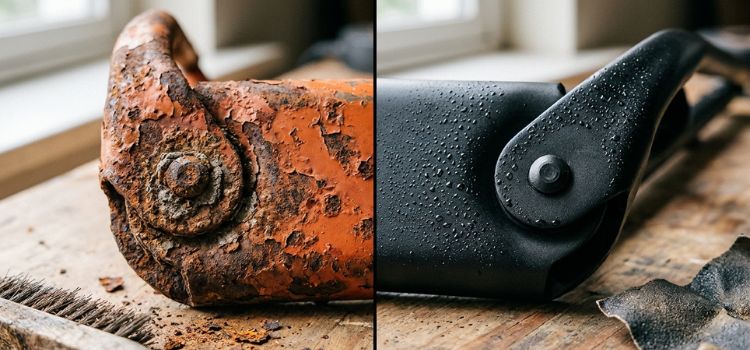
How to Protect Camping Chair Rust
Rust needs bare steel, water and oxygen. Salt speeds it up. On a camp chair, that means:
- Rivets and bolts. They’re the first to go, because they’re uncoated or thinly coated.
- Hinge pivots. Water sits in the gap and the coating wears off from movement.
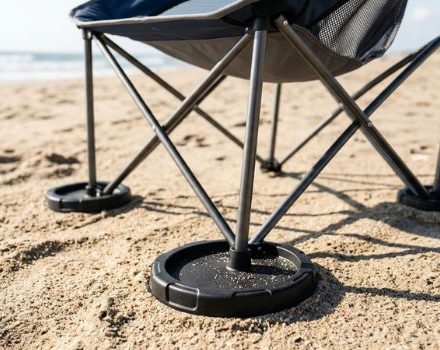
- Leg feet. Rubber caps trap water against the tube.
- Chips and scratches in the powder coat. One chip is an open door to the steel underneath.
- Inside the tube ends. You can’t see this rust until it’s advanced.
Aluminum frames don’t rust, but they do corrode. You’ll see white, chalky powder on the metal. It’s less serious, and the same habits prevent it.
Step-by-Step: Stop Rust Before It Starts
1. Wipe it down before you pack up. After every trip, wipe the frame with a dry cloth. Pay extra attention to the rivets, hinges and feet. Two minutes here beats any product.
2. Rinse off salt and mud. If you’ve been near the sea, or on salted winter roads, rinse the frame with fresh water, then dry it fully. Salt left on metal keeps pulling moisture out of the air.
3. Pull the foot caps. Slide off the rubber feet, wipe out the water and grit, and let everything dry before pushing them back on.
4. Dry it open. Leave the chair open in a shaded, airy spot until every joint is dry. Sun is fine for the fabric, but give the frame a final wipe as well.
5. Lube the hinges with the right product. A light silicone or PTFE spray on the pivots and rivets keeps water out and the joints moving. Wipe off the excess, because oily drips collect grit.
6. Seal the chips. Dab a bit of rust-inhibiting enamel or clear nail polish on any chip in the coating. It takes seconds and closes the entry point.
7. Store it dry and off the floor. Hang it, or stand it upright on a shelf. Concrete floors hold moisture, so don’t park the bag there. Toss a silica gel pack into the carry bag if your storage space is damp.
Read more: How to Stop Your Camping Chair from Sinking in Sand or Mud

Step-by-Step: Fix Rust That Has Already Started
Wear gloves and eye protection, and cover the fabric with a rag or tape before you start. Rust dust and sanding grit in your eyes or on your seat are no fun.
- Test it first. Poke the rusty spot with a screwdriver tip. If it’s surface rust (orange, flaky, solid underneath), carry on. If the metal crumbles or you can push through it, retire the chair (see the safety note below).
- Remove the loose rust. Use a wire brush, steel wool or 120-grit sandpaper until you reach bright metal.
- Wipe the area clean. A damp cloth works, then dry it completely.
- Treat what’s left. A rust converter turns the remaining traces into a stable black coating. For rivets and bolts, you can soak small parts in white vinegar for a few hours, then rinse and dry them well.
- Prime and paint. Use a rust-inhibiting primer or enamel in a color close to the frame. Two thin coats beat one thick one.
- Add a protective layer. Once the paint cures, rub on a thin coat of paste wax or a lanolin-based spray. It repels water for months.
- Re-lubricate the hinge after everything has cured.
Safety note: If the rust has eaten into a weld, a rivet seat, or the wall of a load-bearing tube, don’t sit on it. A chair that gives way is a fall and a bruise at best, and it’s not worth the risk.
Expert Tips and Common Mistakes
Mistake #1: Packing a damp chair. A chair put into its bag even slightly wet is a rust incubator. If you can’t dry it at camp, take it out the moment you get home.
Mistake #2: Using bleach on the chair. Bleach is hard on metal and coatings, and it eats at fabric stitching. For mildew on the seat, mild soap and water do the job. For the frame, use a damp cloth.
Mistake #3: Oiling everything with cooking oil or heavy grease. It goes sticky, rancid and attracts sand. Use a purpose-made spray and wipe off the excess.
Tip: Mark your chair’s weak spot. After a season or two, you’ll see exactly which hinge or rivet always rusts first. Give that spot extra coating before every trip.
Tip: If you camp near the coast, rinse before you leave the beach lot. Salt dries into the joints within hours.
Gear That Helps
You don’t need much, and most of it costs less than a replacement chair.
- Silicone or PTFE lubricant spray for hinges and rivets
- Rust-inhibiting enamel and primer (small touch-up pots)
- Rust converter for light surface rust
- Paste wax or lanolin-based protectant for a long-lasting water barrier
- Silica gel packs for the carry bag and storage area
- A breathable chair cover or ventilated storage bag instead of sealed plastic
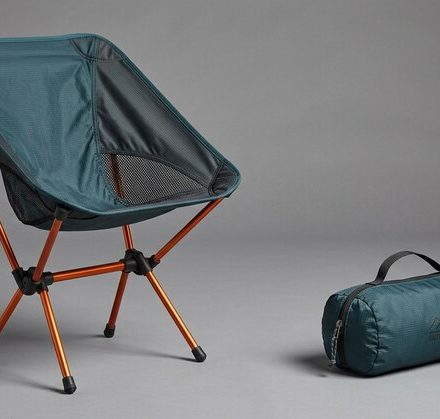
- Rust-resistant chairs: aluminum or powder-coated frames with stainless fasteners, if you camp near saltwater or in damp climates
Read more : How Much Weight Can an Oversized Camping Chair Hold?

FAQs
Can rust on a camping chair be reversed?
Surface rust, yes. Sand it back to bright metal, treat, prime and repaint. Deep pitting can’t be reversed, and structural rust means the chair is done.
Does WD-40 stop rust?
It displaces water and gives short-term protection, but it’s not a long-term fix. Use it to dry out a wet hinge, then switch to silicone or wax for lasting protection.
Do aluminum camping chairs rust?
No. They corrode instead, forming a white powdery layer. Wipe it off and rinse with fresh water, and keep an eye on any steel rivets, which can still rust.
Is a rusty camping chair safe to use?
Surface rust on a hinge is fine once treated. Rust near welds, rivets or the load-bearing tubes is a reason to stop using it.
How often should I treat my chair?
Wipe and dry after every trip. Lube the hinges and check for chips at the start of each season, and more often if you camp near saltwater.
Keep It Simple
Most rusty camp chairs weren’t abused. They were just put away wet. Wipe it, dry it, seal the chips, and your chair will outlast the trips you take with it.