
As an Amazon Associate I earn from qualifying purchases.
When you’re backpacking, every ounce and every inch of pack space matters. A bulky sleeping bag, extra clothing, or insulated jacket can quickly consume valuable room inside your backpack. A good compression sack can help reduce that bulk and make your load easier to organize.
In this guide, we’ll look at the best compression sacks for backpacking, what features actually matter, and which type makes the most sense for different situations. We’ve also included practical buying advice so you can choose based on weight, durability, compression, weather protection, and pack organization rather than simply buying the most expensive option.
If you’re building a lightweight sleep system, you may also want to see our guide to Teton Sports Celsius XXL sleeping bags.
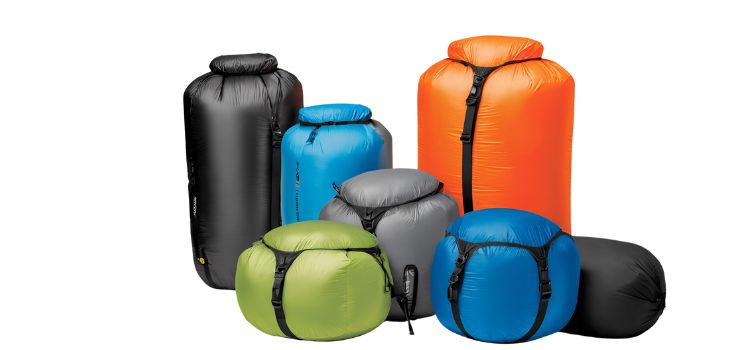
What Is a Compression Sack?
A compression sack is a storage bag designed to reduce the packed volume of soft, compressible gear. Most models use straps, buckles, or another compression system that allows you to squeeze bulky items into a smaller package.
They are especially useful for items such as sleeping bags, quilts, jackets, fleece layers, and other soft equipment. However, compression does not make the contents weigh less—it simply changes how much space they occupy.
That distinction is important for backpackers. A compression sack can help you fit your gear into a smaller backpack, but it won’t reduce your total pack weight.
What to Look for in a Compression Sack
Not every compression sack is designed for the same type of backpacking. Before buying one, consider these factors:
- Weight: If you’re counting every ounce, choose a lightweight sack that provides enough durability for your intended use.
- Material: Nylon, ripstop nylon, polyester, and technical lightweight fabrics are commonly used. Consider the balance between durability and weight.
- Compression system: Four-strap systems can provide even compression, while other designs may use fewer straps or zippers.
- Capacity: Choose a size that fits your gear without leaving excessive unused space.
- Weather protection: Water-resistant and waterproof are not the same thing. If your gear must stay dry, check the manufacturer’s waterproofing specifications carefully.
- Ease of packing: A sack that is frustrating to load or compress can become a nuisance on the trail.
- Durability: Lightweight materials can be more susceptible to abrasion, so consider where and how frequently you’ll use the sack.
Why Use a Compression Sack for Backpacking?
The biggest advantage is simple: better use of limited pack volume.
Bulky clothing and sleeping insulation can take up a surprising amount of room when loosely packed. Compression lets you consolidate those items into a more compact package.
- Save pack space: Compress bulky soft gear so other essentials have more room.
- Improve organization: Keep sleeping gear, clothing, or other equipment contained in separate bags.
- Make packing easier: A compressed bundle can be easier to place inside a backpack.
- Add some moisture protection: Certain models provide water resistance or waterproof construction, although protection varies by design.
Keep in mind that compression sacks aren’t automatically necessary for every backpacker. Ultralight hikers may prefer a simple lightweight stuff sack, while others may value the extra compression enough to justify the additional weight.

Compression Sack vs. Stuff Sack: What’s the Difference?
A standard stuff sack mainly gives you a simple way to contain and organize gear. A compression sack adds a mechanism for reducing the packed volume.
| Feature | Stuff Sack | Compression Sack |
|---|---|---|
| Organizes gear | Yes | Yes |
| Reduces volume | Limited | Yes |
| Usually lightweight | Yes | Varies |
| Compression straps | Usually no | Usually yes |
| Best for bulky gear | Sometimes | Yes |
If your primary goal is organization, a basic stuff sack may be enough. If you’re trying to fit a bulky sleeping bag into a smaller pack, compression is much more useful.
10 Best Compression Sacks for Backpacking
- Sea to Summit Ultra-Sil Compression Sack – Best overall lightweight option
- Osprey StraightJacket Compression Sack – Best for rugged backpacking
- REDCAMP Nylon Compression Stuff Sack – Budget-friendly option
- ALPS Mountaineering Compression Stuff Sack – Best for durability
- Outdoor Research Ultralight Compression Sack – Best for weight-conscious hikers
- Granite Gear eVent Compression Dry Sack – Best for wet conditions
- Lewis N. Clark Compression Packing Cubes – Best for clothing organization
- NEMO Equipment Compression Stuff Sack – Versatile outdoor option
- Kelty Compression Stuff Sack – Practical everyday choice
- Mountainsmith Compression Stuff Sack – Rugged traditional design
Quick Comparison: Our Top Compression Sack Picks
| Compression Sack | Best For | Main Advantage | Potential Drawback |
|---|---|---|---|
| Sea to Summit Ultra-Sil | Overall backpacking | Lightweight design | May cost more than basic sacks |
| Osprey StraightJacket | Durability | Robust compression system | Not the lightest option |
| REDCAMP | Budget shoppers | Affordable and practical | Less premium construction |
| ALPS Mountaineering | Heavy-duty use | Durable construction | Can add more weight |
| Outdoor Research Ultralight | Ultralight hikers | Low-weight approach | Less suitable for rough handling |
| Granite Gear eVent | Wet environments | Compression plus weather protection | More specialized design |
1. Sea to Summit Ultra-Sil Compression Sack
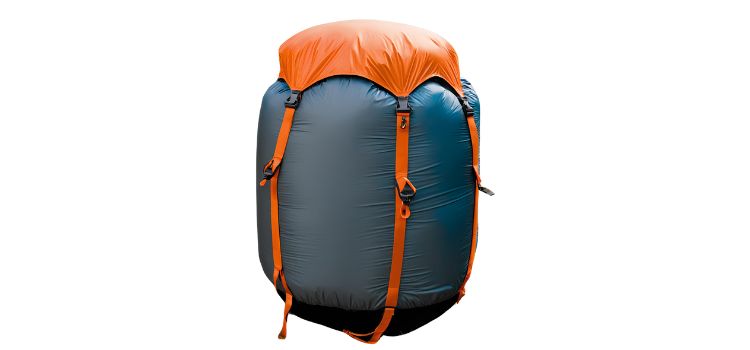
Best Overall Lightweight Compression Sack
The Sea to Summit Ultra-Sil Compression Sack is an excellent choice for backpackers who want to reduce bulk without carrying a heavy storage bag. Its lightweight construction makes it particularly appealing for hikers who pay close attention to pack weight.
The compression straps allow you to squeeze bulky equipment into a more compact shape, making it useful for sleeping bags, clothing, and other compressible items.
Key Features
- Lightweight technical fabric construction
- Four-strap compression system
- Compact design for backpacking
- Water-resistant construction
Why Choose It?
This is a strong choice when weight and pack efficiency are your priorities. It offers a useful balance between low weight, compression, and durability.
Pros
- Lightweight
- Compact
- Good compression
- Useful for backpacking
Cons
- Can cost more than basic compression sacks
2. Osprey StraightJacket Compression Sack
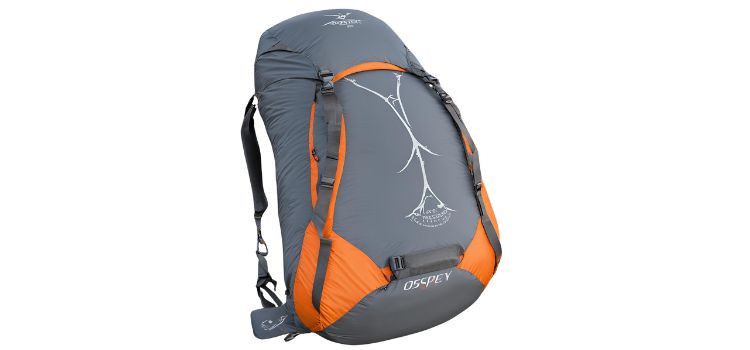
Best for Rugged Backpacking
The Osprey StraightJacket Compression Sack is designed for backpackers who prioritize durability and reliable compression. Its compression system helps keep soft gear tightly contained while the rugged construction is suited to regular outdoor use.
It’s particularly appealing if your equipment regularly gets handled roughly during multi-day trips or demanding adventures.
Key Features
- Multiple compression straps
- Durable nylon construction
- Compact storage design
- Available in different sizes
If you’re already interested in Osprey equipment, you can also check our guide to Osprey backpack deals.
Pros
- Durable
- Effective compression
- Good for frequent use
Cons
- Heavier than some ultralight alternatives
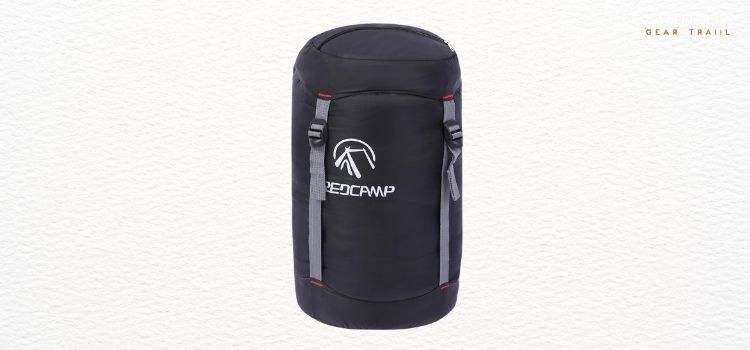
3. REDCAMP Nylon Compression Stuff Sack
The REDCAMP Nylon Compression Stuff Sack is worth considering if you’re looking for a practical compression solution without moving into premium pricing. Its adjustable compression straps make it useful for sleeping bags, jackets, and other bulky soft equipment.
Best For
Budget-conscious backpackers who want basic compression functionality and multiple size options.
- Durable polyester construction
- Adjustable compression straps
- Multiple sizes available
- Suitable for camping and backpacking
Pros
- Lightweight nylon construction
- Compresses bulky gear effectively
- Durable for regular outdoor use
- Easy-to-use compression straps
- Helps save backpack space
Cons
- Not fully waterproof
- Can be harder to compress when overfilled
- Basic design with limited extra features

4. ALPS Mountaineering Compression Stuff Sack
The ALPS Mountaineering Compression Stuff Sack focuses on durability and straightforward functionality. Its heavier-duty construction makes it a sensible option for hikers who are more concerned with long-term toughness than minimizing every ounce.
- Durable nylon construction
- Multiple compression straps
- Reinforced construction
- Useful for bulky outdoor equipment
Pros
- Durable and lightweight construction
- Compresses bulky gear efficiently
- Easy-to-use compression straps
- Great for sleeping bags and clothing
- Helps maximize backpack space
Cons
- Not fully waterproof
- Can be difficult to compress when overfilled
- Slightly bulkier than basic stuff sacks
5. Outdoor Research Ultralight Compression Sack
Best for Ultralight Backpackers
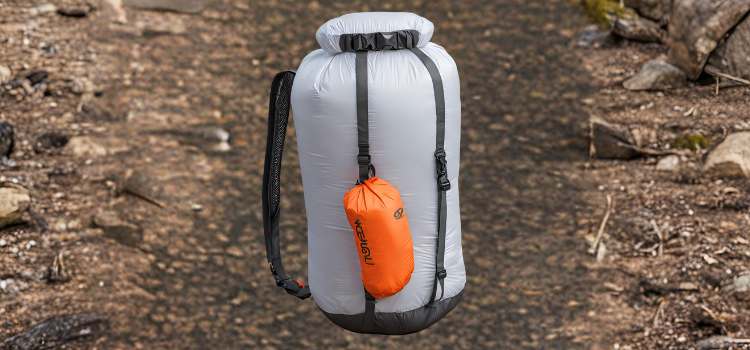
The Outdoor Research Ultralight Compression Sack is aimed at hikers who want to keep their organization system as light as possible. A lightweight compression sack can make sense when you’re already using an ultralight backpack and carefully managing your base weight.
It’s especially useful for compressible clothing and sleeping equipment where reducing volume is more important than adding heavy protective features.
For more information about lightweight packs, see our ultralight backpack vs. daypack comparison.
Key Considerations
- Lightweight construction
- Compression system for reducing bulk
- Compact when packed
- Good fit for weight-conscious hikers
Pros
- Lightweight
- Compact
- Good for ultralight setups
Cons
- Lightweight construction may require more careful handling
6. Granite Gear eVent Compression Dry Sack
Best for Wet Conditions
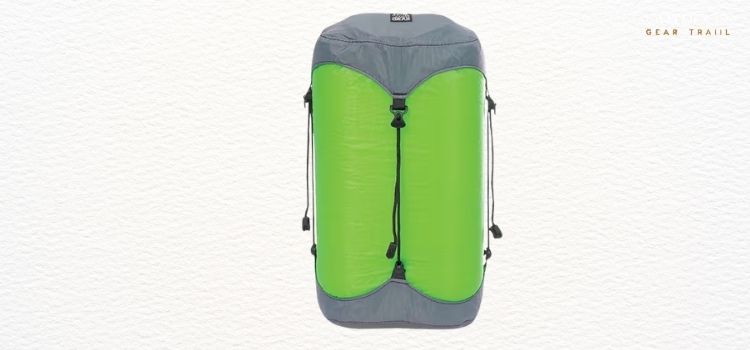
The Granite Gear eVent Compression Dry Sack is different from a conventional compression sack because it combines compression with dry-bag-style protection. That makes it particularly interesting for backpackers who regularly encounter rain, wet campsites, or humid environments.
The design allows air to escape during compression while helping prevent water from entering through the protected areas of the bag.
Why Choose It?
If protecting a sleeping bag or other moisture-sensitive gear is a major priority, a compression dry sack can be more useful than a standard water-resistant compression sack.
Pros
- Combines compression and weather protection
- Useful in wet conditions
- Good for moisture-sensitive gear
Cons
- More specialized than a basic compression sack
- May add weight compared with ultralight options

7. Lewis N. Clark Compression Packing Cubes
The Lewis N. Clark Compression Packing Cubes take a slightly different approach. Instead of focusing primarily on sleeping bags, compression cubes are particularly useful for clothing and travel organization.
They can be a good choice when your main goal is keeping multiple clothing items organized while reducing some of the space they occupy.
- Compression design
- Useful for clothing organization
- Compact packing solution
- Good for travel and backpacking
Pros
- Lightweight and easy to pack
- Helps organize backpack contents
- Compresses clothing and soft gear
- Durable, travel-friendly construction
- Saves valuable pack space
Cons
- Less suitable for very bulky gear
- Not fully waterproof
- Zippers may feel less durable under heavy use

8. NEMO Equipment Compression Stuff Sack
The NEMO Equipment Compression Stuff Sack is another versatile option for campers and backpackers who need to reduce the volume of bulky gear.
Its compression-focused design makes it useful for sleeping equipment and other soft items where space efficiency matters.
- Durable outdoor-oriented construction
- Multiple compression straps
- Compact storage
- Useful for camping and backpacking
Pros
- Lightweight and durable construction
- Compresses bulky gear efficiently
- Simple, easy-to-use design
- Great for sleeping bags and clothing
- Saves valuable backpack space
Cons
- Can be difficult to compress when overfilled
- Not fully waterproof
- May add some weight compared with a basic stuff sack

9. Kelty Compression Stuff Sack
The Kelty Compression Stuff Sack is a straightforward option for backpackers who want dependable compression without an overly complicated system.
- Durable construction
- Multiple compression straps
- Quick-release hardware
- Available in different sizes
Its practical design makes it suitable for compressing sleeping bags, clothing, and similar soft equipment.
Pros
- Durable and lightweight design
- Effectively reduces packed gear volume
- Easy-to-use compression straps
- Great for sleeping bags and clothing
- Packs neatly inside backpacks
Cons
- Can be bulky when fully compressed
- Not completely waterproof
- Compression straps may loosen under heavy loads
10. Mountainsmith Compression Stuff Sack
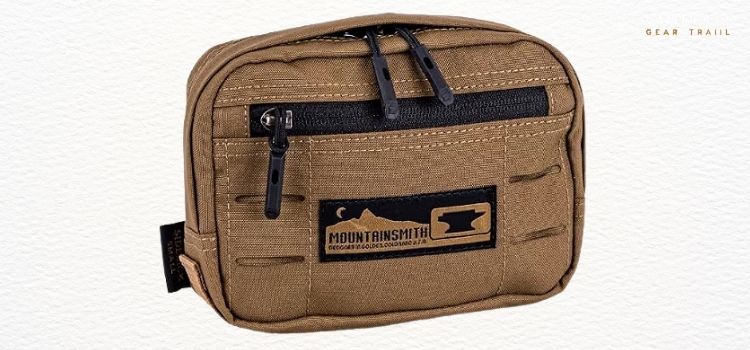
The Mountainsmith Compression Stuff Sack is a traditional compression sack designed for backpackers who want a rugged and simple storage solution.
- Durable nylon construction
- Compression webbing straps
- Drawstring closure
- Useful for bulky camping equipment
Pros
- Lightweight and durable construction
- Helps maximize backpack space
- Easy-to-use compression straps
- Compact and practical design
- Good for sleeping bags and bulky gear
Cons
- Compression can be limited when overpacked
- Not fully waterproof
- Straps may add a little bulk
How to Choose the Right Compression Sack
The best compression sack depends on what you’re carrying and the conditions you’ll encounter.
For Ultralight Backpacking
Choose the lightest model that provides adequate durability. Avoid adding unnecessary features if your main goal is reducing pack weight.
For Sleeping Bags
Look for a sack with enough capacity to accommodate your sleeping bag without excessive stuffing or strain on the seams and compression hardware.
For Rainy Conditions
Consider a compression dry sack if keeping insulation completely dry is critical. A water-resistant fabric alone should not be treated as equivalent to a waterproof dry bag.
For Budget Backpacking
A straightforward polyester or nylon compression sack can provide the basic function you need without the cost of premium ultralight materials.
For Frequent and Rough Use
Prioritize durable fabric, strong stitching, reliable buckles, and a compression system that can tolerate repeated use.
How to Pack a Compression Sack Correctly
- Loosen all compression straps before loading the sack.
- Stuff the gear evenly rather than forcing everything into one area.
- Close the sack securely before beginning compression.
- Compress gradually by tightening the straps evenly.
- Stop when the gear is firmly compressed rather than forcing the straps excessively.
- Check the seams and buckles if you’re compressing a large or heavy load.
For down sleeping bags and quilts, follow the manufacturer’s storage recommendations. Long-term storage in a highly compressed state can be undesirable for some insulation products, so a compression sack is generally better treated as a transport and trail-packing solution rather than permanent storage.
Common Compression Sack Mistakes to Avoid
1. Buying a Sack That’s Too Small
A smaller sack isn’t automatically better. If you struggle to load your gear or have to force the compression system, choose a larger capacity.
2. Assuming Water-Resistant Means Waterproof
Water-resistant materials can help with splashes and light moisture, but they shouldn’t automatically be relied upon to protect critical insulation during prolonged rain.
3. Compressing Everything You Own
Compression sacks are most useful for bulky, compressible items. There’s little benefit in adding a compression sack to gear that doesn’t significantly reduce in volume.
4. Ignoring Weight
A compression sack can save space while adding weight. Ultralight backpackers should compare the weight of the sack with the amount of useful volume it saves.
Are Compression Sacks Worth It?
For many backpackers, yes—but they’re not essential for every setup.
A compression sack is particularly worthwhile when you’re carrying bulky insulation and have limited space in your backpack. If your pack already has plenty of room, a simple stuff sack may provide adequate organization with less hardware and potentially less weight.
The key is to think about volume saved versus weight added. That’s the most useful way to decide whether compression is worthwhile for your particular backpacking system.
Final Verdict: Which Compression Sack Should You Buy?
The Sea to Summit Ultra-Sil Compression Sack is a strong all-around choice for backpackers who prioritize low weight and efficient packing. It offers a good balance of compression and packability.
If durability is more important than minimizing every ounce, the Osprey StraightJacket is worth considering. For wet environments where protecting important gear is a major concern, the Granite Gear eVent Compression Dry Sack offers a more specialized solution.
Ultimately, don’t choose a compression sack simply because it claims the greatest compression. Choose based on the gear you’re carrying, required capacity, total weight, durability, and weather conditions.
Frequently Asked Questions
Can I use a compression sack for my sleeping bag?
Yes. Sleeping bags are one of the most common uses for compression sacks because they can be bulky when loosely packed. However, follow the sleeping bag manufacturer’s recommendations for transport and long-term storage.
Do compression sacks reduce weight?
No. A compression sack reduces the volume of your gear, not its weight. In fact, the sack itself adds a small amount of weight to your backpack.
Are compression sacks waterproof?
Not necessarily. Some are water-resistant, while specialized compression dry sacks provide substantially greater weather protection. Always check the manufacturer’s specifications instead of assuming that a compression sack is waterproof.
What size compression sack do I need?
The correct size depends on the item you’re compressing. Choose a capacity that comfortably fits your gear before compression. Forcing oversized gear into a very small sack can make packing difficult and put unnecessary stress on the fabric, seams, or straps.
Can compression sacks damage sleeping bags?
Compression during backpacking is generally part of how many sleeping bags are transported, but long-term storage is different. For long-term storage, follow the sleeping bag manufacturer’s instructions rather than leaving the insulation tightly compressed for extended periods.
Is a compression sack better than a dry bag?
They serve different purposes. A compression sack is primarily designed to reduce volume, while a dry bag focuses on moisture protection. If you need both functions, a compression dry sack can combine them in one piece of gear.
More Backpacking Gear Guides
Planning your next backpacking trip? Check out our other outdoor gear guides, including our Top 10 Best 0 Degree Sleeping Bags and other backpacking equipment recommendations.
Ready to Make More Room in Your Backpack?
A good compression sack can make bulky sleeping gear and clothing much easier to pack. Compare the options above and choose the model that best matches your backpacking style, pack size, and weather conditions.