As an Amazon Associate I earn from qualifying purchases.
Finding the right snacks for a hike can be challenging when you need to avoid gluten. The best gluten free hiking snacks should be easy to carry, nutritious, filling, and capable of providing enough energy for the trail. Whether you’re planning a short day hike or a long backpacking adventure, choosing the right trail food can make a big difference.
In this guide, you’ll discover the 10 best gluten-free snacks for hiking, along with practical tips for choosing, packing, and storing your food so you can stay fueled throughout your adventure.

What Makes a Good Gluten-Free Hiking Snack?
A good hiking snack needs to do more than simply taste good. Since you’re carrying everything in your backpack, the ideal snack should be lightweight, easy to eat, resistant to crushing, and able to provide useful energy during your hike.
For people following a gluten-free diet, there’s another important consideration: you need to check ingredients and packaging carefully to avoid gluten-containing ingredients or potential cross-contact.
The best options generally combine carbohydrates for energy, protein for satiety, and healthy fats for longer-lasting fuel.
Understanding Gluten-Free Foods
What Is Gluten?
Gluten is a group of proteins naturally found in grains such as wheat, barley, and rye. For people with celiac disease or gluten sensitivity, avoiding gluten is an important part of managing their diet.
When choosing hiking snacks, don’t assume that every energy bar, jerky, granola product, or packaged snack is gluten-free. Always check the ingredient list and look for appropriate gluten-free labeling.
Why Gluten-Free Snacks Matter for Hiking
When planning your next outdoor excursion, consider packing the best gluten free hiking snacks to ensure you stay energized and satisfied during your journey.
Hiking requires consistent energy, especially when you’re climbing steep terrain or spending several hours on the trail. The right gluten-free snacks can help you maintain energy without relying on foods that don’t fit your dietary requirements.
For longer hikes, it’s useful to carry several different types of snacks rather than relying on one food. Combining quick-energy carbohydrates with protein and healthy fats can give you more variety and help keep you satisfied.
Key Nutrients to Look for in Hiking Snacks
Carbohydrates
Carbohydrates are an important source of energy during hiking. Fruits, dried fruit, rice-based snacks, and suitable gluten-free bars can provide convenient carbohydrates for the trail.
Protein
Protein can help you feel full and is particularly useful when you’re spending many hours outdoors. Nuts, seeds, nut butter, jerky, and other suitable protein-rich snacks are convenient options.
Healthy Fats
Healthy fats provide calorie-dense fuel, which can be especially useful when you’re trying to keep your backpack food compact. Nuts, seeds, avocados, and nut butter are practical choices.
For more information about hiking and energy expenditure, you can also explore our guide on whether hiking burns belly fat.
Hydration
Water isn’t technically a snack, but hydration is essential during hiking. Carry enough water for your route and consider an appropriate electrolyte or sports drink when conditions and activity levels require it.
Types of Gluten-Free Hiking Snacks
Packaged Snacks
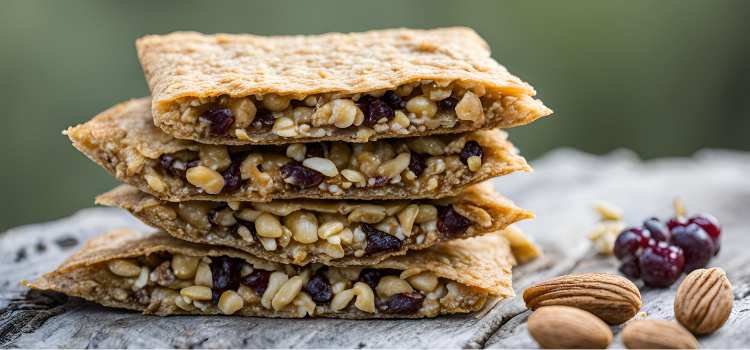
- Gluten-Free Granola Bars: Convenient, lightweight, and easy to eat while walking. Always check the label to make sure the specific product is gluten-free.
- Rice Cakes: Lightweight and simple. Pair them with gluten-free nut butter for additional protein and healthy fats.
- Trail Mix: Nuts, seeds, and dried fruit create a calorie-dense snack that’s easy to customize. Choose a certified gluten-free option when appropriate.
Homemade Snacks
- Energy Balls: Combine ingredients such as gluten-free oats, nut butter, honey, and suitable chocolate chips for a portable homemade snack.
- Gluten-Free Muffins: Homemade muffins can provide carbohydrates and calories while giving you control over the ingredients.
- Nut Butter Packets: Single-serving packets are compact, calorie-dense, and convenient for hiking.
Fresh Snacks
- Fruit: Apples, oranges, and bananas are easy options for shorter hikes and provide carbohydrates and natural sugars.
- Vegetables: Carrots, celery, and cherry tomatoes can provide variety and pair well with gluten-free hummus.
- Cheese: Cheese sticks or portions can provide protein and fat, but they need appropriate temperature control.

10 Best Gluten-Free Snacks for Hiking
Now let’s look at some of the best practical options for hikers who need gluten-free trail food. These choices cover different combinations of carbohydrates, protein, fats, portability, and convenience.
1. Larabar Original Fruit & Nut Bars
Larabar Original Fruit & Nut Bars are a convenient option made primarily from simple ingredients such as dates, nuts, and fruit. Their compact size makes them easy to carry in a hiking backpack.
They’re particularly useful when you want a quick snack without carrying bulky food containers. Check the packaging of your chosen flavor to confirm its current gluten-free status.
2. KIND Healthy Grains Bars
KIND Healthy Grains Bars combine grains, nuts, and other ingredients in a portable format. They’re convenient for hikers who want something quick to grab during a trail break.
Because product formulations can vary, always check the current package labeling before purchasing if gluten avoidance is essential to you.
3. RXBARs
RXBARs are known for a relatively simple ingredient profile, commonly including egg whites, dates, and nuts. Their protein content makes them useful when you want a more filling hiking snack.
They’re also compact and require no preparation, making them convenient for day hikes and longer outdoor adventures.
4. Trail Mix
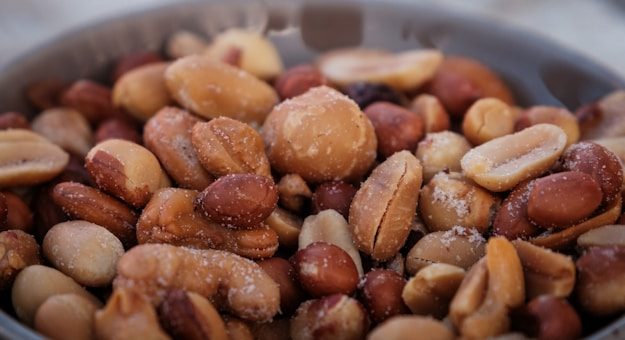
Trail mix is one of the most versatile gluten-free hiking snacks. You can combine nuts, seeds, dried fruit, and suitable chocolate pieces to create a mixture that provides carbohydrates, protein, and healthy fats.
For a gluten-free diet, check packaged trail mix carefully and avoid products containing wheat-based ingredients or uncertain cross-contact labeling.
5. Gluten-Free Beef Jerky
Beef jerky is a convenient high-protein snack for hiking. However, some jerky products use marinades, soy sauce, or seasonings that may contain gluten.
Choose a product that is clearly labeled gluten-free and check the ingredients before packing it for your hike.
6. Hummus and Vegetable Packs
Hummus paired with carrots, celery, or bell peppers can provide a refreshing alternative to dry packaged snacks. It also offers a combination of carbohydrates, fiber, and plant-based protein.
This option works best on shorter outings or hikes where you can keep perishable foods properly chilled.
7. Gluten-Free Granola
Gluten-free granola can be eaten by itself or combined with other foods. It’s lightweight, easy to portion, and can provide carbohydrates and calories during an active day.
If you have strict gluten-avoidance requirements, choose products with clear gluten-free labeling rather than assuming that ordinary granola is safe.
8. Chomps Meat Sticks
Chomps meat sticks are a convenient protein-rich option for hikers who want something savory rather than sweet. Their individually packaged format also makes them easy to store in a backpack.
Check the current product packaging and flavor-specific ingredient information before buying.
9. Nut Butter Packets
Single-serving nut butter packets are among the most practical snacks for hiking. They’re compact, calorie-dense, and provide both protein and healthy fats.
You can eat them directly or pair them with gluten-free crackers, rice cakes, or fruit.
10. Dried Fruit
Dried fruit is lightweight and provides carbohydrates in a compact package. Dried mango, apricots, raisins, and banana chips can be excellent choices for hiking.
Because dried fruit is concentrated in sugar and calories, portioning it alongside nuts or seeds can create a more balanced trail snack.
For another outdoor food idea, check out our guide to 10 Easy Healthy Camping Meals for Your Next Trip.
Ready to Stock Your Hiking Snack Pack?
Don’t wait until you’re halfway up the trail to realize you need better fuel. A few lightweight, gluten-free snacks can make your hiking day more comfortable and enjoyable.
Check out our recommended hiking snack options and choose convenient trail-ready foods for your next adventure.
Shop Hiking Snacks on Amazon →
As an Amazon Associate, we may earn from qualifying purchases.
How to Choose the Right Gluten-Free Hiking Snacks
1. Look for Balanced Nutrition
Try to combine carbohydrates, protein, and healthy fats rather than relying entirely on sugary snacks. This can give you more variety and help you stay satisfied throughout your hike.
2. Consider Weight and Packability
Every item in your backpack adds weight. Choose compact snacks that provide useful calories without taking up excessive space.
3. Check Gluten-Free Labels Carefully
Read ingredient lists and look for appropriate gluten-free labeling. This is especially important if you have celiac disease or need to avoid gluten strictly.
4. Consider the Length of Your Hike
A short two-hour hike may require only a few simple snacks, while an all-day hike or backpacking trip requires more food and a wider range of energy sources.
5. Think About Weather and Storage
Chocolate can melt, fresh foods can spoil, and some snacks can become difficult to eat in extreme temperatures. Choose foods that match the conditions you’ll encounter on the trail.
Tips for Packing Gluten-Free Hiking Snacks
Use Resealable Bags and Containers
Resealable bags and compact containers can protect snacks from moisture, dirt, and accidental crushing inside your backpack.
Separate Snacks Into Portions
Instead of carrying one large bag of food, divide snacks into individual portions. This makes it easier to grab what you need without unpacking your entire backpack.
Keep Perishable Foods Cool
Fresh cheese, hummus, and other perishable foods may require an insulated container and ice packs. For warm-weather hikes, shelf-stable foods are often more practical.
Pack Lightweight, High-Energy Foods
For longer hikes, prioritize foods that provide useful calories without adding unnecessary bulk or weight to your pack.
What to Avoid When Choosing Gluten-Free Hiking Snacks
- Snacks containing wheat, barley, or rye.
- Products without clear ingredient information when strict gluten avoidance is required.
- Heavy foods that provide little useful energy.
- Perishable foods without proper temperature control.
- Snacks that are difficult to eat while hiking.
Frequently Asked Questions
What are the best gluten-free snacks for hiking?
Some excellent options include gluten-free snack bars, trail mix, beef jerky, nut butter packets, dried fruit, nuts, seeds, and suitable homemade energy balls. The best choice depends on your hike length, nutritional needs, and storage conditions.
Can I make gluten-free hiking snacks at home?
Yes. Homemade energy balls, gluten-free muffins, trail mix, and nut-butter combinations are easy options. Making snacks yourself also gives you greater control over the ingredients.
How can I make sure a hiking snack is gluten-free?
Read the ingredient list and look for appropriate gluten-free labeling. If you need to avoid gluten strictly, choose products with reliable gluten-free certification or labeling and pay attention to cross-contact information.
Are protein bars good for hiking?
Protein bars can be useful hiking snacks, particularly when they provide a combination of protein and carbohydrates. However, always check the ingredients and gluten-free labeling before purchasing.
What should I eat on a long hike?
For a long hike, carry a mixture of carbohydrate-rich foods, protein sources, and calorie-dense snacks. Trail mix, dried fruit, gluten-free bars, jerky, nuts, and nut butter packets can provide useful variety.
How do I keep gluten-free snacks fresh while hiking?
Use resealable bags or airtight containers for dry foods. For perishable foods such as cheese or hummus, use an insulated container with appropriate cooling packs and consider the expected temperature and hike duration.
Mulittea Glucosamine Chondroitin Capsules with MSM Vitamin D3 Non GMO,Gluten free Healthy Food Supplements
Conclusion
The best gluten-free hiking snacks are lightweight, convenient, nutritious, and appropriate for your dietary requirements. From trail mix and dried fruit to protein bars, jerky, and nut butter packets, there are plenty of options for keeping your energy levels supported on the trail.
Before your next adventure, plan your snacks around the length of your hike, weather conditions, nutritional needs, and storage requirements. Most importantly, check product labels carefully if you need to avoid gluten.

Fuel Your Next Adventure
The right trail snacks can keep your backpack lighter and your hiking day easier. Find convenient hiking snack options before your next trip and be ready when the trail calls.
Explore Recommended Hiking Snacks →
We may earn a commission from qualifying purchases at no additional cost to you.