As an Amazon Associate I earn from qualifying purchases.
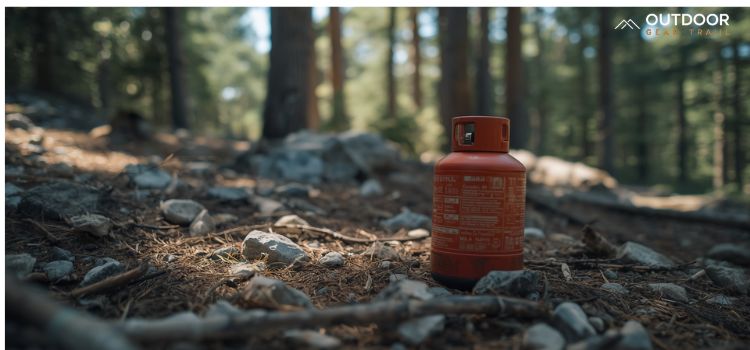
One of the most common questions backpackers and campers face while packing is simple yet critical: “How much fuel do I actually need to bring?” Running out of gas on the trail means cold meals and no morning coffee, while carrying extra Camping Gas Canister adds unnecessary pack weight. In this real-world guide, we break down exact burn times, boil capacities, and fuel calculations for standard 100g, 230g, and 450g isobutane-propane canisters.
🏕️ Field Testing Methodology
To give you accurate estimates, we tested standard Isobutane/Propane blend canisters (MSR IsoPro and Jetpower) using a single-burner regulated canister stove. All tests were conducted using 50°F water at moderate altitude (2,500 ft) with light wind protection.
Quick Reference: Gas Canister Burn Time & Boil Capacity
Burn times vary depending on flame height, outdoor temperature, and wind. Below is a realistic breakdown at moderate (half-throttle) output, which is ideal for maximum fuel efficiency.
| Canister Size (Net Fuel) | Total Burn Time (Moderate Flame) | Total Water Boiled (Liters) | Typical Trip Duration |
| 100g / 110g (Small) | 35 – 45 Minutes | 10 – 12 Liters | 1 to 3 Days (Solo) |
| 227g / 230g (Medium) | 75 – 90 Minutes | 22 – 25 Liters | 4 to 7 Days (Solo / Pair) |
| 450g (Large) | 140 – 160 Minutes | 45 – 50 Liters | Group Trips / Basecamp |
Note: If you run your stove at 100% full blast, your fuel consumption increases by nearly 30% while only reducing boil times by a few seconds. Always cook at medium output for maximum efficiency.
Understanding the Importance of Your Camping Gas Canister
How Much Fuel Do You Burn Per Meal?
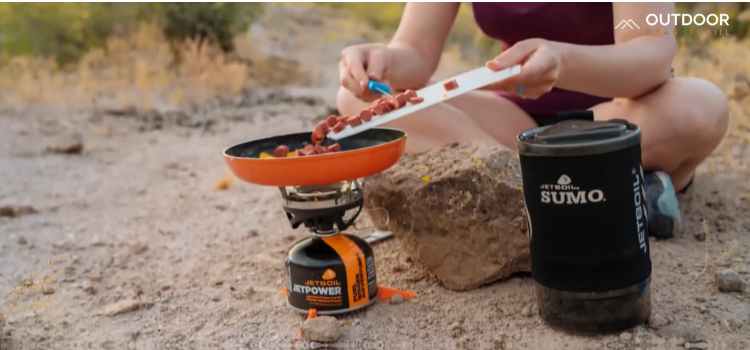
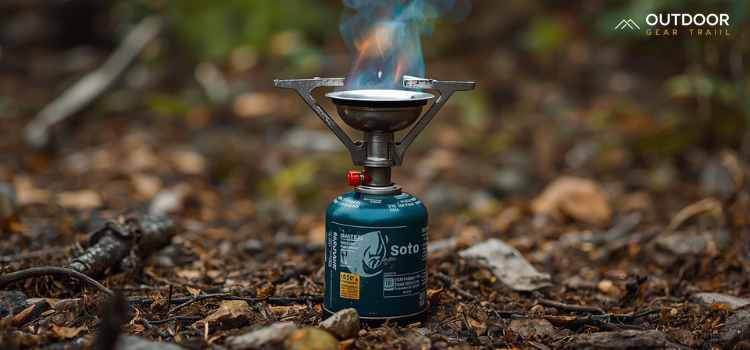
On average, boiling 0.5 Liters (2 cups) of water using a standard canister stove consumes approximately 7 to 10 grams of gas under normal conditions. Integrated stove systems (like Jetboil or MSR WindBurner) are even more efficient, consuming around 5 to 6 grams per half-liter boil.
Field Note: On a recent 3-day solo trip, boiling water twice a day (500ml for breakfast oatmeal/coffee and 500ml for dinner) consumed exactly 48 grams of fuel from a 100g canister. That left over half the canister as a safety margin for unexpected delays or extra hot drinks.
4 Key Factors That Burn Fuel Faster
If your real-world gas consumption doesn’t match the estimates above, one of these outdoor variables is likely at play:
1. Wind Exposure
Wind is the biggest enemy of stove efficiency. A light 8 mph breeze can double your boil time and fuel consumption by pulling heat away from the pot base before it transfers into the water. Always use a natural windbreak or an approved windscreen.
2. Ambient Temperature & Water Starting Temp
Boiling 40°F snowmelt or icy river water takes significantly more energy than boiling room-temperature water. Additionally, when ambient temperatures drop below freezing (32°F / 0°C), pressure inside the canister drops, reducing burner efficiency.
3. Pot Material & Width
Wide titanium or aluminum pots catch more flame heat across their bottom surface than narrow, tall metal mugs. An exposed flame overflowing around the edges of a narrow pot is simply wasted fuel.
4. Cooking Style (Boiling vs. Simmering)
Simply boiling water for freeze-dried meals uses minimal fuel. However, if you plan to simmer rice, pancakes, or fresh meals for 15–20 minutes, expect your fuel consumption to increase 3x per meal.
Read more: Top 10 Best Camping Cookware Sets of the Year
Simple Fuel Calculation Formula for Backpacking
To calculate how much fuel to pack for your next trip, use this simple trail math formula:
[ Number of Boils per Day ] x [ 8 grams of fuel ] x [ Number of Days ] = Total Fuel Needed (Grams)
Example Scenario (2-Person Weekend Trip for 3 Days):
- Breakfast: 2x Coffees + 2x Oatmeal bowls = 4 boils
- Dinner: 2x Freeze-dried meals + 2x Tea = 4 boils
- Total Boils per Day = 8 boils
- 8 boils x 8 grams = 64g of fuel per day
- 64g x 3 days = 192g total fuel needed
Verdict: One single 230g gas canister will easily cover this entire weekend trip for two people with plenty of reserve fuel.
How to Check How Much Fuel is Left in Your Canister
Since gas canisters are sealed metal, checking remaining fuel can be tricky. Here are two field-tested methods:
1. The Water Float Test (Field Method)
Place your partial canister into a bowl or pot of water. Because gas is lighter than water, a full canister will sink near the top rim, while an empty canister will float high out of the water. Many brand canisters (like MSR) have water-line balance marks printed directly on the side.
2. The Scale Weight Method (At Home)
Weigh your canister on a digital kitchen scale. Subtract the tare weight (the weight of the empty metal shell, usually printed on the bottom, around 100g for a small canister). The remaining number is your exact available fuel weight in grams.
For more equipment setup and gear recommendations, check out our full Ultimate Camp Stove Guide.
Frequently Asked Questions
1. Can I pack fuel canisters in checked luggage on flights?
No. TSA and international aviation guidelines strictly prohibit gas fuel canisters in both carry-on and checked luggage. You must purchase your fuel canisters after arriving at your destination.
2. Do fuel canisters expire over time?
Isopropane canisters do not have a strict expiration date. As long as the canister is stored in a cool, dry place and the valve threads are free from rust, the fuel remains usable for years.
3. How do I safely dispose of empty gas canisters?
Ensure the canister is empty by burning off residual gas, puncture it using a dedicated tool (like a CrunchIt tool), and recycle it with scrap metals. Never puncture a full or pressurized canister.
Read more: Reviews of Eureka Camp Stoves