As an Amazon Associate I earn from qualifying purchases.
There is something truly magical about leaving the city behind, pitching a tent, and falling asleep to the gentle sounds of nature. If you’ve been following our outdoor series, you already know how to pick your trail and choose the right footwear. Now, it’s time for the ultimate outdoor experience: spending a full night under the open sky.
For many, the idea of camping brings up images of wrestling with confusing tent poles or waking up freezing in the middle of the night. But it doesn’t have to be that way.
With a little bit of planning, your first night out can be incredibly comfortable. This guide to camping for beginners delivers the most essential tips for your first camping trip so you can relax, roast marshmallows, and enjoy the wild safely. Remember, camping for beginners means understanding your surroundings and preparing adequately.

1. Choose the Right Type of Campsite
As a beginner, you don’t need to hike deep into the wilderness to camp. For your very first trip, frontcountry camping (car camping) is highly recommended.
- Car Camping: This simply means you drive your car right up to your designated campsite. You don’t have to carry your gear on your back for miles, allowing you to pack a few extra comforts (like a real pillow or a larger cooler).
- Look for Developed Campgrounds: Choose a state park or commercial campground that offers basic amenities like freshwater pumps, established fire rings, and flushing toilets or clean porta-potties.
2. Master the Backyard Practice Run
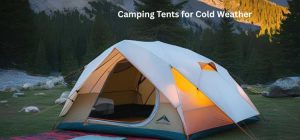
The absolute worst place to open a brand-new tent for the first time is at a dark, windy campsite right before a storm hits.
- The Golden Rule: Always practice pitching your tent in your backyard or a local park before your trip.
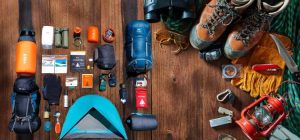
- Check Your Gear: Make sure all the stakes, poles, and the rainfly are in the bag. Turn on your lanterns and headlamps to ensure the batteries are fully charged. (If you need a complete list of what gear to pack beside your tent, jump back to our [Backpacking Checklist for Beginners]).
3. Essential Tips for a Comfortable Night’s Sleep
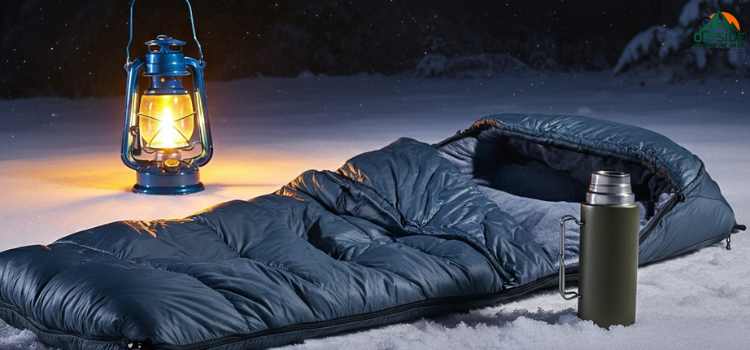
Getting cold at night is the number one reason beginners end up hating their first camping experience. Remember, staying warm isn’t just about the sleeping bag; it’s about insulating yourself from the ground.
- Never Skip the Sleeping Pad: The ground will suck the warmth right out of your body. A good insulated sleeping padcreates a vital barrier of air between you and the cold earth.
- Keep Wildlife Away: Never, under any circumstances, keep food, scented lotions, or trash inside your tent. It will attract unwanted nighttime visitors like raccoons, rodents, or larger wildlife. Keep all food locked securely inside your car or a campground-provided bear locker.
4. Campfire Etiquette and Safety Rules
A campfire is the heart of any campsite, but it comes with a huge responsibility. Always follow local fire regulations and keep these safety rules in mind:
- Use Established Fire Rings: Only build fires in the designated metal rings provided by the campground.
- Buy Wood Locally: Don’t bring firewood from home, as it can introduce invasive insects that destroy local forests. Buy wood at the campground store or nearby gas stations.
- Drown the Fire: Never leave a campfire unattended, even for a few minutes. Before going to sleep, drown the coals with water, stir the ashes, and drown it again until it is completely cold to the touch.

5. Embrace the Experience
Things might not go 100% perfectly on your first trip—the wood might be damp, or a rogue mosquito might find its way into your tent. But that is all part of the adventure!
Congratulations! You now have all the core knowledge to go from a complete indoor beginner to a confident outdoor explorer. Head back to our main [Beginner’s Guide to Hiking] hub to revisit any safety tips, or pack your bags and hit the road. Nature is waiting!