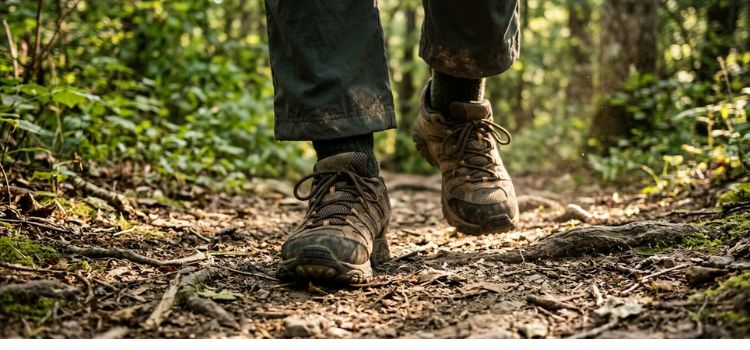
Top Budget Friendly Hiking Shoes for Nature Lovers – Your Ultimate Guide!
As an Amazon Associate I earn from qualifying purchases.
Want a trail-ready pair of hiking shoes that won’t drain your wallet? You’re in the right place.We compared the most popular budget options and picked five pairs, all available in women’s sizes, that handle real trails without a premium price tag. You’ll also find fit tips, a plain-English look at what “budget” really gets you, and ways to save even more.
Here’s how we define “budget”: pairs that generally land around or under $100, with a few worth-it picks slightly above. Prices shift often, so always check the current listing.
Written by the Outdoor Gear Trail team. Last updated: November 2026. We may earn a commission if you buy through our links, at no extra cost to you. It helps us keep this site running. Our picks are based on the criteria in “How We Chose These Shoes” below, not on who pays us.
On this page: Quick picks | What budget gets you | How we chose | Reviews | Fit guide | Shoe care | FAQ
Our Quick Picks at a Glance
In a hurry? Here’s the short version. Choosing footwear is a balance of fit, function, and value, and the benefits of hiking for women are well worth a good pair of shoes. These picks give you grip, protection, and comfort at a fraction of the cost of high-end outdoor brands.
- Best Overall: Merrell Moab 2 Ventilator
- Best for Day Hikes and Agility: Columbia Redmond V2
- Best for Casual Weekend Walks: Northside Women’s Monroe Low
- Best for Hot Weather and Fast Hikes: Eddie Bauer Women’s Klamath
- Best for Rain and Mud: CAMELSPORTS Women’s Waterproof Hiking Shoes
Quick Comparison: Top Budget-Friendly Hiking Shoes
| Product Name | Best For | Waterproof | Key Material | Weight (Approx. Per Pair) |
|---|---|---|---|---|
| Merrell Moab 2 Ventilator | Warm weather & hot trails | No (highly breathable) | Suede leather & mesh | 2.0 lbs |
| Columbia Redmond V2 | Day hikes & agility | Optional (Omni-Tech version) | Suede, mesh & webbing | 1.8 lbs |
| Northside Monroe Low | Casual weekend walks & value | No | Textile & leather | 1.9 lbs |
| Eddie Bauer Klamath | Fast hikes needing light ankle support | No (high ventilation) | Performance mesh | 1.7 lbs |
| CAMELSPORTS Waterproof | Wet, muddy, rainy conditions | Yes (in-house lining) | High-abrasion mesh & rubber | 1.9 lbs |
[amazon table=”10517″]

What Does “Budget Friendly” Really Get You?
Cheaper doesn’t mean bad. It does mean brands made trade-offs to hit the price. Knowing where helps you pick the right pair:
- Under $50: Fine for paved paths, park loops, and short easy trails. Expect thin cushioning, softer outsoles that wear quickly, and little protection from rocks.
- $50 to $100: The sweet spot. You get real lugged outsoles, toe protection, and decent cushioning. Most of our picks live here.
- $100 to $130: A step up. Shoes like the Merrell Moab 3 and adidas Terrex AX4 often add better midsoles, sturdier outsoles, and longer life. Worth it if you hike often.
Here’s where corners usually get cut at the lower end:
- Durability: Heel padding and outsoles tend to wear faster than on premium shoes. Reinforced toe areas are the best place to look for lasting value.
- Cushioning: Budget midsoles often absorb a little less shock, which you may feel on long, rocky descents.
- Traction: Lugs are often shallower, so these shoes shine on moderate, well-kept trails more than on deep mud or loose scree.
- Waterproofing: Shoes with a premium membrane such as Gore-Tex rarely fall under $100. Waterproof budget options usually rely on in-house linings.
The good news? Many budget shoes are lighter than premium ones. For casual hikers and day-trippers, that’s a fair trade.
Hiking Shoes vs. Trail Runners vs. Hiking Boots
Not sure which style fits you? Here’s the quick breakdown. For a deeper look, see our guide to hiking boots vs. trekking shoes.
- Hiking shoes: Low-cut, lighter than boots, and more supportive than sneakers. A great middle ground for day hikes and established trails.
- Trail runners: Lightest and most cushioned, but they usually offer less protection and durability. They work well as a budget option on smooth, well-kept trails.
- Hiking boots: Taller, with more ankle support and protection, but heavier. Budget boots like the Columbia Newton Ridge Plus II (around $80) are leather, protective, and fine for day hikes. Reviewers note the softer outsole wears down faster than premium rubber.
If you stick to maintained trails and don’t have weak ankles, a hiking shoe is usually more comfortable than a boot. It’s also easier on your budget.
How We Chose These Shoes
We narrowed the field using the same checklist you can use at home:
- Price: Around $100 or less at typical listing prices.
- Comfort and fit: What buyers repeatedly report after weeks and months of wear.
- Traction: A lugged rubber outsole that grips dirt, gravel, and damp rock.
- Durability signals: Toe protection, sturdy uppers, and outsole quality for the price.
- Weather and weight: Breathability or waterproofing, and how heavy the shoe feels on a long day.
We compared specs against manufacturer listings and independent outdoor-gear reviews, then weighed them against real-world buyer feedback. We want to be upfront: where a point comes from buyer reports rather than our own miles on the trail, we say so. Prices and models change, so treat the numbers here as a guide and confirm them on the retailer page before you buy.
Top 5 Best Budget Friendly Hiking Shoes Reviewed
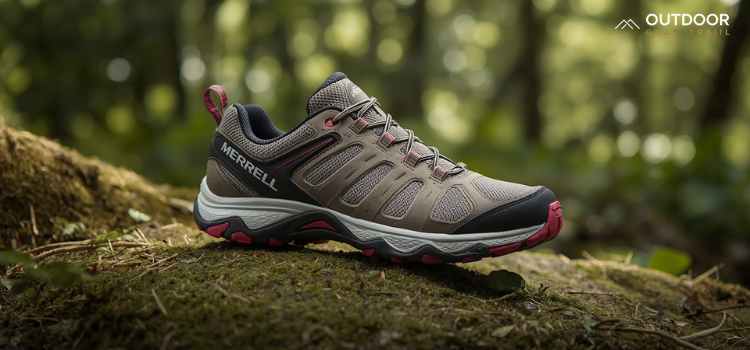
1. Merrell Moab 2 Ventilator
The Moab line has been a trail favorite for years, and for good reason. The Ventilator is lightweight, comfortable out of the box, and breathes well when temperatures climb. Expect to pay roughly $70 to $110 depending on color and size. Merrell also sells a waterproof version for wetter hikes.
A Closer Look
The suede leather and mesh upper vents heat and holds up to scrapes. A removable, contoured EVA footbed adds arch and heel support, and the padded collar and tongue help prevent chafing. The Vibram® TC5+ outsole has 5mm lugs that grip dirt, gravel, and dry rock.
Quick Specs
- Price: About $70 to $110
- Weight: About 2 lbs per pair
- Upper: Suede leather and mesh
- Outsole: Vibram® TC5+, 5mm lugs
- Waterproof: No (a separate waterproof version exists)

Pros
- Excellent breathability for hot trails.
- Protective toe cap and durable upper.
- Contoured footbed with arch support.
- Vibram® outsole with 5mm lugs.
- Lightweight and flexible.
Cons
- Not waterproof, so it suits dry conditions best.
- Less ankle support than mid-cut or high-cut boots.
- May need a short break-in period.
Who Should Buy the Merrell Moab 2 Ventilator?
It’s ideal for hikers who want a proven, comfortable shoe for warm weather and dry trails. If heat is your main worry, check out our picks for lightweight hiking shoes for summer.
Skip it if: you hike in rain often or want real ankle support. Pick the waterproof version or a boot instead.
Pro tip: Merrell’s newer Moab 3 is widely seen as the benchmark budget hiker. It costs more (usually around $110 to $120), but it brings a wider, more stable base and a Vibram outsole. Merrell has also released the Moab 4, which one retailer review lists at about $110, so check which generation is on sale. The Moab 2 is often cheaper as the previous generation, so watch for deals.
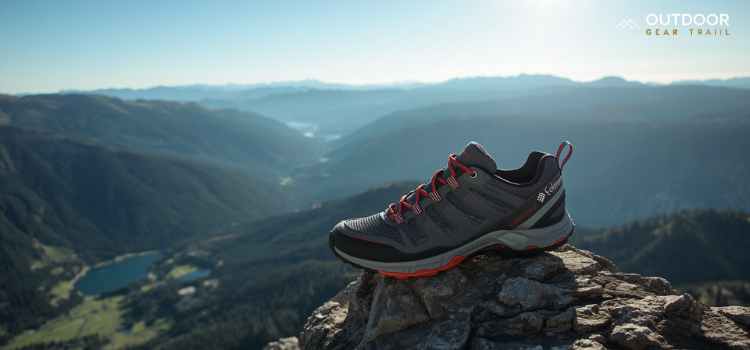
2. Columbia Redmond V2
Sleek, light, and easy to wear, the Redmond V2 feels almost like a trail runner but packs the protection you want on a hike. At roughly $60 to $90, it’s a great pick for style, comfort, and price.
A Closer Look
The upper blends suede, mesh, and webbing for durability and airflow. Columbia’s Techlite™ midsole cushions long days, and the Omni-Grip™ rubber outsole bites on both wet and dry surfaces. A reinforced toe cap guards against debris, and a waterproof Omni-Tech™ version is available if you want one.
Quick Specs
- Price: About $60 to $90
- Weight: About 1.8 lbs per pair
- Upper: Suede, mesh, and webbing
- Outsole: Omni-Grip™ rubber
- Waterproof: Optional (Omni-Tech™ version)

Pros
- Protective toe cap.
- Cushioned Techlite™ midsole.
- Solid traction on wet and dry surfaces.
- Light and flexible.
- Waterproof version available.
Cons
- Less ankle support than mid or high-cut boots.
- May need a short break-in period.
- Not built for extreme or very rugged terrain.
Who Should Buy the Columbia Redmond V2?
It’s a smart choice for day hikers and weekend adventurers who want a light, comfortable shoe for mixed terrain without paying for features they won’t use.
Skip it if: you carry a heavy pack or hike loose, rocky terrain. A firmer midsole will serve you better there.
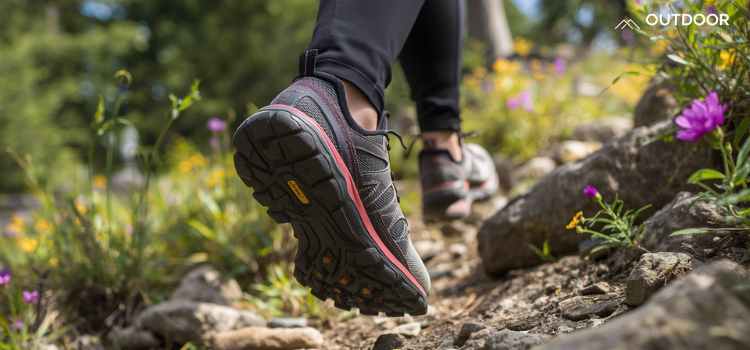
3. Northside Women’s Monroe Low Hiking Shoe
Want a stable trail shoe without the inflated price tag? The Northside Monroe Low is a practical, no-nonsense option. Its leather-and-textile upper stands up to scrapes from underbrush, and it’s built for casual hikers and weekend outings.
A Closer Look
Leather gives it durability, while the textile panels keep it light and flexible. Secure heel-lock lacing pulls the upper snug to limit sliding, and the soft, contoured footbed eases pressure on your arches. The multi-lug synthetic sole gives dependable baseline grip on unpaved paths. Easy-clean materials make muddy-day cleanup simple, though you should check the care label before machine washing.
Quick Specs
- Weight: About 1.9 lbs per pair
- Upper: Textile and leather
- Outsole: Multi-lug synthetic
- Waterproof: No

Pros
- Durable textile and leather upper.
- Easy-clean materials.
- Secure heel-lock lacing.
- Soft, contoured footbed.
- Great value for casual hikers.
Cons
- Not waterproof.
- Traction suits maintained trails better than rugged terrain.
- May need a short break-in period.
Who Should Buy the Northside Women’s Monroe Low?
It’s made for beginner hikers and casual outdoor fans who stick to well-maintained local trails and state parks. It’s a smart choice if you value easy upkeep and a low upfront cost.
Skip it if: you need waterproofing or aggressive grip for steep, loose trails.
4. Eddie Bauer Women’s Klamath Hiking Sneaker
The Klamath moves like a running sneaker but protects like a hiking shoe. It’s a low-profile alternative to heavy boots and a good fit if you’re moving from city running paths to dirt trails.
A Closer Look
Performance mesh keeps air moving across your foot and sheds moisture fast. The mid-rise collar (about 3.74 inches) gives your ankle a little structure over roots and uneven ground. Deep directional lugs shed mud, and a synthetic mudguard around the base deflects scrapes. It pairs well with technical layers, like our favorite women’s hiking jackets.
Quick Specs
- Weight: About 1.7 lbs per pair
- Upper: Performance mesh with synthetic mudguard
- Outsole: Multi-terrain directional lugs
- Waterproof: No
Pros
- Very breathable mesh keeps feet cool.
- Ultra-light and nimble.
- Mid-rise collar adds ankle stability.
- Deep lugs shed mud.
- Reinforced mudguard protects against scrapes.
Cons
- Not waterproof, so it isn’t ideal for wet trails.
- Mesh offers less protection from debris than leather.
- The fit may feel wide if you have narrow feet.
Who Should Buy the Eddie Bauer Women’s Klamath?
It’s ideal for fast hikers and day hikers who want light weight and top-tier ventilation. It’s perfect for summer trails, where keeping your feet cool helps prevent blisters. If you have narrow feet, see our guide to hiking shoes for narrow feet first.
Skip it if: your trails are wet or thorny. Mesh lets water in and offers less protection than leather.
5. CAMELSPORTS Women’s Waterproof Hiking Shoes
When rain or mud gets in your way, the CAMELSPORTS shoe brings weather protection at an entry-level price. Waterproof shoes under $100 are less common, which makes this one a real find for hikers who won’t let a rainy forecast cancel their plans.
A Closer Look
A sealed interior lining is designed to keep out puddles, wet grass, and light rain while letting some sweat vapor escape. A true rubber outsole grips wet rock, and an extended rubber toe wrap protects against stumbles. For deep, sustained soaking, a shoe with a premium membrane will perform better, so treat this as protection for wet trails and shallow crossings. For more wet-weather ideas, see our guide to hiking shoes for muddy trails.
Quick Specs
- Weight: About 1.9 lbs per pair
- Upper: High-abrasion mesh with rubber toe wrap
- Outsole: Slip-resistant rubber
- Waterproof: Yes (in-house lining)
Pros
- Waterproof protection at a budget price.
- True rubber outsole for wet-rock grip.
- Protective rubber toe wrap.
- Removable sockliner you can swap for your own insole.
- Lightweight, high-abrasion mesh.
Cons
- Waterproof lining can feel warm in hot weather.
- Less established than big-name brands, so check recent buyer reviews.
- May need a short break-in period.
Who Should Buy the CAMELSPORTS Waterproof Hiking Shoe?
This is the pick for hikers facing rainy climates, muddy spring trails, or routes with light water crossings. You get all-weather confidence without a premium price.
Skip it if: you hike in hot weather or want a brand with a long track record. Read the most recent buyer reviews before you order.
More Budget Hiking Shoes Worth a Look
Want more options? These shoes are also frequently recommended around the $80 to $120 mark (prices vary by retailer and color):
- Merrell Moab 3: The step-up pick. A wide, stable base, Vibram outsole, and a waterproof option. It runs a bit heavier and warmer than the Ventilator.
- Merrell Accentor 3: Comfortable and surefooted for about $100. Supportive and roomy in the toe box, but it runs warm in summer.
- Merrell Tempo Sol: A light, flexible shoe with good durability for its price. Not the most breathable.
- adidas Terrex AX4: Very stable for the money, at around $100 for the non-waterproof version. A strong pick for uneven ground.
- adidas Terrex Anylander Rain.RDY: A grippy, water-resistant option, often around $85. The toe box can feel snug.
- Columbia Crestwood: A sneaker-like, lightweight shoe with solid traction. Great for casual hikers, though it isn’t waterproof.
Need More Toe Room? Wide and Barefoot-Style Options
Many hikers get blisters and sore toes from shoes that squeeze the forefoot. If that sounds familiar, look for a roomy, foot-shaped toe box. Start with our guides to hiking shoes for wide feet and, if you need arch support, hiking shoes for flat feet.
Barefoot-style hiking shoes take this further with a wide toe box, a flat zero-drop sole (no heel lift), and a flexible, thinner sole. They let your toes spread and give great ground feel. The trade-offs:
- Price: Many barefoot hiking shoes cost more than the shoes in this guide.
- Less cushioning and protection: Thin soles can feel harsh on rocky trails.
- A transition period: Zero-drop shoes load your calves and Achilles differently, so start with short hikes and build up slowly.
Also pay attention to foot volume. Low-volume feet often need to cinch laces tight or add a thicker insole, while high-volume feet need extra room over the instep.
How to Choose Budget Hiking Shoes
For a longer walkthrough, read our guide on how to choose the right hiking shoes. Here are the key factors to weigh before you click “buy”:
- Comfort and fit: Comfort comes first. Your shoes should hold your heel, leave room for your toes, and flex where your foot flexes.
- Terrain: Rocky trails and stream crossings call for more grip and protection than smooth park paths.
- Waterproof or breathable: Waterproof shoes keep feet dry in rain, but they trap heat. For hot, dry trails, a breathable non-waterproof shoe is usually more comfortable.
- Weight: Lighter shoes reduce fatigue on long days. Heavier shoes usually add support and protection.
- Traction and lugs: Deeper, wider-spaced lugs grip loose dirt and mud. Shallower, closer lugs suit hard-packed trails and flat rock.
- Toe protection: Rocky or thorny trails call for a sturdy toe cap or rubber wrap. It also helps your shoes last longer.
- Your pack load: Heavier packs and overnight trips call for a firmer, more supportive midsole.
How to Get the Right Fit (Without Overspending)
Even the best budget shoe fails if it doesn’t fit. A few simple checks can save you from a painful first hike:
- Try them on in the afternoon. Your feet are at their largest then, which gives a more accurate fit.
- Leave toe room. Your toes shouldn’t touch the front when laced up.
- Check for heel slip. If your heel lifts up and down, expect blisters on longer hikes.
- Size up if you’re in between. Feet swell over a long day on the trail.
- Wear your real hiking socks. The right pair makes a big difference, so see our picks for hiking socks that prevent blisters.
- Fine-tune with insoles. A thicker insole can add cushion and arch support, or reduce extra volume. If you have heel pain, our guide to women’s hiking shoes for plantar fasciitis may help.
- Check the return policy. Buying online? Order a size or two to compare, and send back what doesn’t work.
One more note for women: many women’s models are built on a narrower last with a lower-volume heel than the men’s version, but it varies by brand. Don’t assume a size from one brand will match another, and read the size notes on each listing.
Break In Your New Shoes Before the Big Hike
Even a comfortable shoe needs a little time on your feet. A few easy steps help you find problems while you are still close to home:
- Wear them around the house for an hour or two, with your hiking socks.
- Take two or three short walks on local paths before any long day on the trail.
- Try a heel-lock lacing pattern if your heel slips. Using the extra top eyelets to lock the laces often fixes it.
- Stop and fix hot spots early. A small patch of tape on a rubbing spot is easier than treating a blister later.
How to Make Your Budget Hiking Shoes Last
A little care goes a long way. Try these habits:
- Brush off mud and let your shoes air-dry away from direct heat.
- Rotate pairs if you hike often.
- Reapply a water-repellent spray on leather or fabric uppers when water stops beading.
- Check the outsole and heel padding regularly. If a sole starts to peel, the best shoe glue for hiking boots can give you extra miles.
As a rough guide, lightweight shoes often last around 300 to 500 miles. Sturdier leather designs can go further. Replace yours when the tread is worn flat, the cushioning feels dead, or your feet start to ache.
How to Save Even More
- Buy the previous generation. Last year’s Moab or Terrex often costs noticeably less and performs almost the same.
- Watch seasonal sales. Black Friday and end-of-season clearances are the best times to find waterproof shoes with premium membranes under $100.
- Compare colors. The same shoe can have different prices in different colors.
- Consider a gently used pair. It works if the outsole and midsole are in good shape.
When a Budget Shoe Is Not the Right Call
Budget shoes are a great fit for day hikes and maintained trails. They are not the best tool for every job. Consider spending more, or choosing a boot, if you:
- Carry a heavy pack on multi-day trips.
- Hike steep, loose, or snowy ground, or do light scrambling.
- Hike most weekends. A pricier pair with a longer life can cost less per mile.
- Have ongoing foot, ankle, or heel pain. A shoe is not a treatment, so talk to a podiatrist or physical therapist.
Conclusion
Finding the right budget friendly hiking shoes can transform your hiking experience. High-value options like the Merrell Moab 2 Ventilator or the Columbia Redmond V2 prove you don’t have to compromise on safety, grip, or comfort to protect both your feet and your wallet.
Quick recap: choose the Moab 2 Ventilator for hot, dry trails, the Redmond V2 for light day hikes, the Monroe Low for easy local trails, the Klamath for speed and airflow, and the CAMELSPORTS for rain and mud.
Match your choice to your trail conditions and your foot shape, check the return policy, and lace up for your next adventure.
Prefer to Watch?
Here’s a video look at inexpensive hiking shoes for lovers of the great outdoors.
FAQ
1. Which budget hiking shoes are the most comfortable?
The Merrell Moab 2 Ventilator is a reliable pick for comfort, thanks to its contoured footbed, padded collar, and breathable lining. If you can stretch to about $110, the newer Moab 3 adds a wider, more stable base and is widely praised for cushioning.
2. Can I hike in trail running shoes?
Yes, on smooth, well-kept trails. They are lighter and more cushioned, which many day hikers enjoy. On rocky or rugged terrain, a hiking shoe offers better protection, firmer support, and a more durable outsole.
3. Are there waterproof hiking shoes under $100?
Yes, but they are less common. Many budget waterproof shoes use in-house linings rather than premium membranes like Gore-Tex, which usually cost more. Look for sales and last-season models.
4. How long do budget hiking shoes last?
Lightweight designs often last roughly 300 to 500 miles, and sturdier leather designs can last longer. Replace them when the tread is worn flat, the cushioning feels dead, or your feet start to ache.
5. How should hiking shoes fit?
Leave about a thumb’s width of space in front of your toes, keep your heel from lifting, and try them on in the afternoon when your feet are slightly swollen. If you are between sizes, go up. If your toes feel pinched, look for a wider toe box or a wide-width option.
6. Are hiking shoes under $50 worth it?
They can work for paved paths, park loops, and short easy trails. Expect thinner cushioning, softer outsoles that wear faster, and less protection from rocks. For regular hiking, the $50 to $100 range is usually better value.
7. Are barefoot or zero-drop shoes a good budget choice?
Usually not. Many cost more than the shoes in this guide, and they offer less cushioning and protection. They suit hikers who want a wide toe box and natural foot movement. Transition slowly, because zero-drop shoes load your calves and Achilles differently.
8. How can I save money on hiking shoes?
Buy the previous generation of a popular model, watch seasonal sales, compare colors since some cost less, and check the return policy before ordering. Gently used pairs can also work if the outsole and midsole are in good shape.
9. Do I need waterproof hiking shoes?
Only if you often hike in rain, mud, or wet grass. Waterproof shoes trap heat, so for hot, dry trails a breathable non-waterproof shoe is usually more comfortable.
10. Should I buy hiking shoes or hiking boots on a budget?
For day hikes on maintained trails, a hiking shoe is usually lighter and cheaper. Choose a boot if you carry a heavy pack, hike rough ground, or want more ankle support.
Affiliate disclosure: Outdoor Gear Trail is a participant in the Amazon Services LLC Associates Program. We earn from qualifying purchases at no extra cost to you. Prices, availability, and specs can change, so please confirm details on the retailer page.
Read More: Discover the 10 Best Hiking Shoes for Bunions and Conquer the Trails!