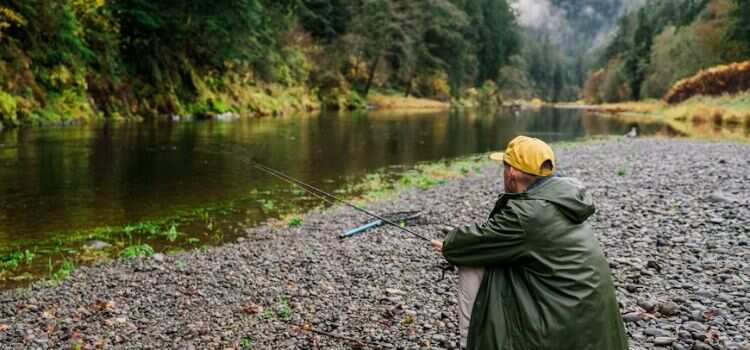
As an Amazon Associate I earn from qualifying purchases.
Can you fish at night in Oregon? In many Oregon waters, nighttime fishing can be a rewarding way to escape the crowds and experience the outdoors from a completely different perspective. However, whether you can fish after dark depends on the specific waterbody, species, season, and current fishing regulations.
I enjoy the idea of fishing after sunset because everything feels different. The water becomes quieter, temperatures usually drop, and you get to experience Oregon’s rivers and lakes under the night sky. But night fishing also requires more preparation than a typical daytime trip.
In this guide, I will cover night fishing in Oregon, including where to go, what gear to bring, safety considerations, fishing techniques, and the rules you should check before leaving home.
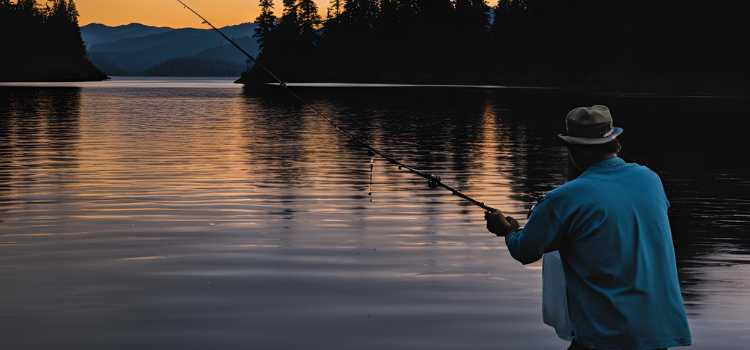
Can You Fish at Night in Oregon?
There is no single statewide answer that applies to every Oregon fishing location. Night fishing rules can vary depending on the water you are fishing, the species you are targeting, the fishing method, and seasonal restrictions.
Before planning a nighttime trip, I recommend checking the current Oregon Department of Fish and Wildlife fishing regulations and any special regulations for your destination. ODFW also publishes in-season updates because fishing rules can change during the year.
Some waters may have special closures, restricted fishing hours, species-specific rules, or other regulations. If you are fishing in a national park or another specially managed area, additional rules may apply.
Quick Answer: Is Night Fishing Legal in Oregon?
Night fishing may be legal in Oregon, but you should never assume that a particular lake or river is open after dark. Check the current regulations for the exact location and species before you fish.
- Check the current Oregon fishing regulations.
- Confirm that your specific waterbody is open to fishing.
- Check species-specific seasons and limits.
- Check whether special night or area restrictions apply.
- Follow any local, state, tribal, park, or land-management rules.
- Carry the required license, tags, or endorsements when applicable.
Pros and Cons of Night Fishing in Oregon
The Best Places to Consider for Night Fishing in Oregon
Oregon has an impressive variety of fishing environments, from mountain lakes and reservoirs to large rivers and coastal waters. However, a location being popular for daytime fishing does not automatically mean that nighttime fishing is permitted there.
When choosing a nighttime fishing destination, I look for three things: legal access, safe conditions after dark, and a reasonable chance of finding the species I want to target.
Crater Lake
Crater Lake is one of Oregon’s most recognizable fishing destinations. The National Park Service states that rainbow trout and kokanee salmon are found in the lake and that fishing is permitted under specific park regulations.
However, I would not treat Crater Lake as a simple “fish whenever you want” destination. The park has its own rules, seasonal restrictions, access limitations, and safety considerations. The NPS currently states that fishing in Crater Lake and park streams is permitted from May 20 through October 31, while Sun Creek and Lost Creek are closed to fishing. :contentReference[oaicite:2]{index=2}
Another important detail is that only non-organic artificial lures may be used within the park. Worms, nightcrawlers, and other organic bait are prohibited. :contentReference[oaicite:3]{index=3}
Columbia River
The Columbia River offers a huge variety of fishing opportunities, but it is also an area where regulations can become complicated. Rules can differ by section of the river, species, season, and fishing method.
If you are considering nighttime fishing on the Columbia, check the current regulations for the exact section you plan to fish rather than relying on general advice.
Diamond Lake
Diamond Lake is well known for trout fishing and its scenic surroundings. A nighttime trip can be peaceful, especially when daytime recreation begins to slow down.
Before heading out, check current access conditions and fishing regulations for Diamond Lake. Conditions can change with the season, weather, and local management rules.
Deschutes River
The Deschutes River is another major Oregon fishing destination. It provides opportunities for anglers targeting different species, but regulations can vary considerably along the river.
For that reason, I recommend checking the current ODFW rules for the specific section of the Deschutes River you intend to fish before planning a nighttime trip.
Why Night Fishing in Oregon Feels Different
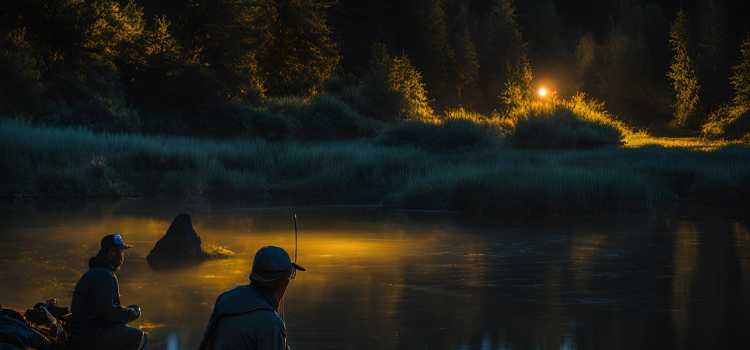
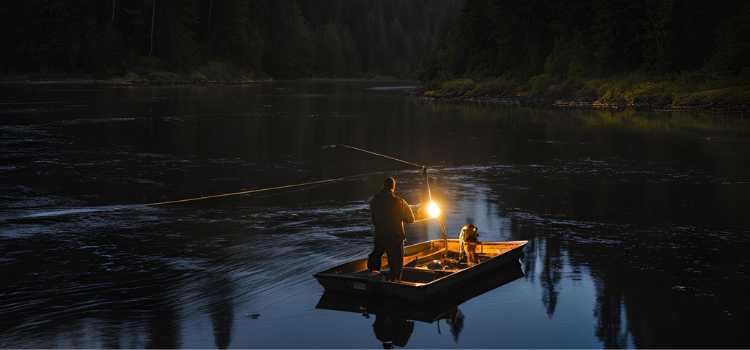
Night fishing is not simply daytime fishing with a flashlight. The environment changes significantly after sunset. You lose much of your visual information, sounds become more noticeable, and even familiar fishing spots can feel completely different.
For me, one of the biggest attractions is the quiet atmosphere. There are fewer people around many fishing areas after dark, and the cooler air can make a long fishing session more comfortable during warmer months.
Fish Activity After Dark
Fish behavior varies by species and location, so there is no universal rule that fish will always be more active at night. Some species and feeding patterns can make nighttime productive, while other situations may favor daylight.
Rather than changing everything about your setup, start by slowing down and paying attention to what is happening around the water. Listen for surface activity, watch your line carefully, and adjust your lure or bait based on the conditions.
Legal Guidelines Before Night Fishing in Oregon
One of the biggest mistakes a new night angler can make is assuming that a rule that applies to one Oregon fishing location applies everywhere else. It does not.
ODFW advises anglers to check current fishing regulations and in-season updates before fishing. These rules can change because of species abundance, catch rates, water conditions, and other factors. :contentReference[oaicite:4]{index=4}
- Check the current fishing regulations before your trip.
- Confirm the exact fishing zone and waterbody.
- Check the rules for the species you intend to catch.
- Review seasonal closures and emergency regulation updates.
- Check whether bait, lures, hooks, or specific methods are restricted.
- Verify whether you need a license, tag, or endorsement.
- Make sure you have legal access to the shoreline or launch area.
For current Oregon regulations, use the official ODFW fishing regulations page rather than relying only on an older article or social media post.
Night Fishing Safety Tips
Safety becomes even more important after sunset. Rocks, steep banks, tree roots, slippery surfaces, and deep water are much harder to identify in darkness.
Bring a Reliable Headlamp
I prefer a headlamp because it keeps both hands available for casting, changing tackle, and handling fish. Carry spare batteries or a backup light as well.
Tell Someone Where You Are Going
Before leaving, tell someone where you plan to fish and when you expect to return. This simple habit is especially important when fishing alone in remote areas.
Watch Your Footing
Do not assume a familiar shoreline is safe at night. Water levels, wet rocks, fallen branches, and other hazards can be difficult to see. Slow down when walking near the water.
Wear a Life Jacket When Appropriate
If you are fishing from a boat, kayak, or another watercraft, use the appropriate personal flotation device. Nighttime is not the time to take unnecessary chances on the water.
Read more: 10 Best Fishing Boots for Wide Feet: Reel in Comfort
Essential Gear for Night Fishing
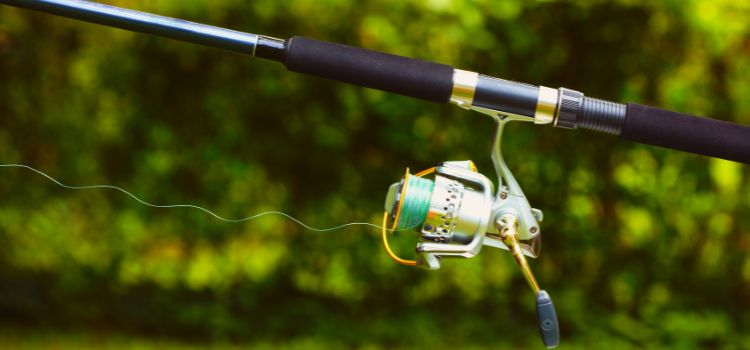
The right equipment can make nighttime fishing much easier. You do not necessarily need expensive gear, but I recommend putting extra attention into lighting, visibility, navigation, and safety equipment.
- Fishing Rod:Choose a rod appropriate for the species and fishing technique you plan to use. A medium or medium-heavy setup can be useful for many general situations, but the correct choice depends on the fish, water, lure, and technique.
- Fishing Reel :A dependable spinning reel is a straightforward option for many anglers. If you already use a baitcasting reel comfortably during the day, you can continue using it at night, but reduced visibility makes line management more challenging.
- Fishing Line: Use a line that matches your target species and fishing technique. At night, being able to detect subtle line movement is important, so pay close attention to your line and consider equipment that improves visibility without violating local regulations.
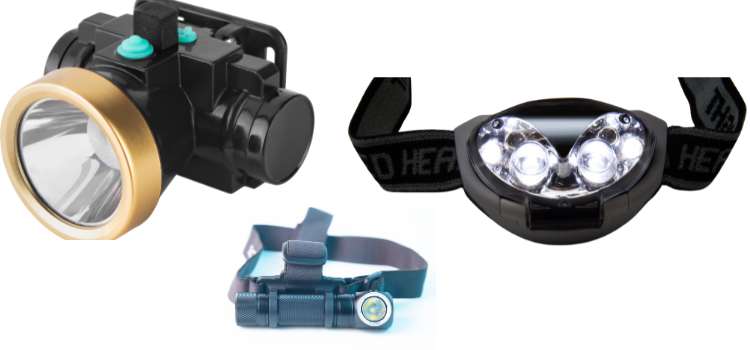
Lighting Essentials for Night Fishing
- Headlamp: A headlamp should be one of the first things you pack. Look for adjustable brightness and a comfortable head strap. A red-light mode can also be useful when you want less intense illumination.
- Backup Flashlight: Do not rely on one light source. A compact backup flashlight can become extremely valuable if your primary headlamp runs out of power or gets damaged.
- Lantern: A small LED lantern can illuminate your immediate fishing area when you need both hands free. Keep bright lights pointed away from other anglers whenever possible.
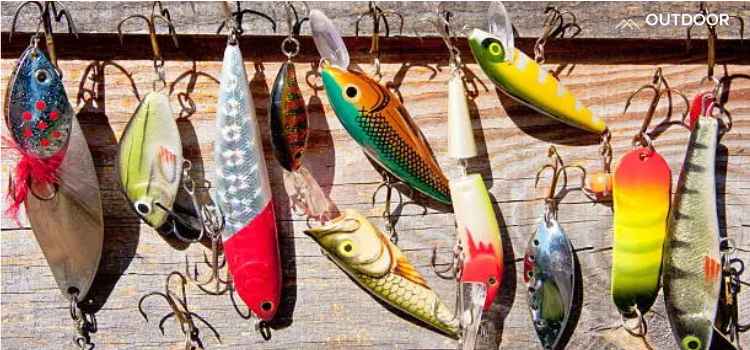
Tackle and Bait for Night Fishing
Your lure or bait choice should be based on the species you are targeting and the regulations for the water you are fishing. Do not use glow products or bait simply because they are marketed for night fishing without checking whether they are permitted.
- Lures: Depending on the species, anglers may use lures that create vibration, movement, silhouette, or other noticeable characteristics in low-light conditions. Experiment carefully and let the fish activity guide your approach.
- Live Bait: Live bait can be effective for some species, but bait rules differ between Oregon waters. Always check the regulations before using worms, minnows, crayfish, or other natural bait.
- Glow and Reflective Tackle: Glow-in-the-dark tackle can be useful in some fishing situations, but the most important consideration is whether the product and fishing method are legal for your specific location.
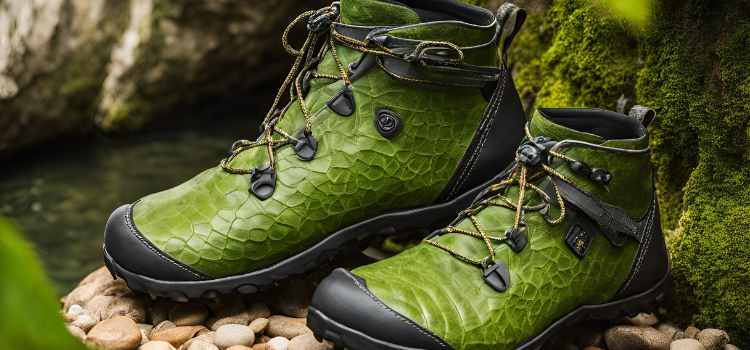
Clothing and Footwear for Night Fishing
Oregon nights can become surprisingly cold, particularly near mountain lakes and rivers. I recommend dressing in layers rather than relying on one heavy jacket.
- Moisture-wicking base layer
- Warm insulating layer
- Water-resistant outer layer
- Warm socks
- Waterproof footwear when conditions require it
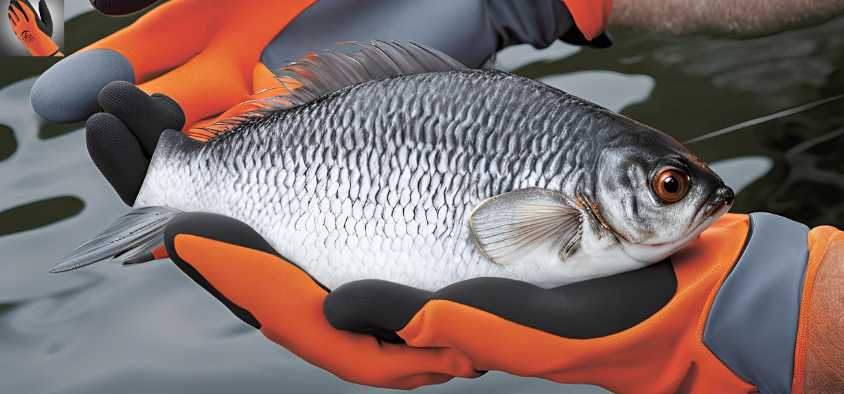
- Gloves that still allow you to handle fishing tackle
Good footwear is particularly important because wet rocks and muddy shorelines can become dangerous after dark. Choose footwear with good traction and adequate protection for the terrain.
Navigation and Emergency Gear
Getting back to your vehicle can be much harder when familiar trails look completely different in darkness. A phone with offline maps, a handheld GPS, and a physical map can provide useful backup navigation.
- Charged smartphone
- Offline map
- Handheld GPS when appropriate
- Portable power bank
- Compass
- Basic first-aid kit
- Emergency whistle
- Extra batteries
Weather Considerations for Night Fishing
Check the weather before leaving and continue monitoring conditions if you are staying out for several hours. Wind, rain, temperature drops, and thunderstorms can change your plans quickly.
- Rain Gear: Even when rain is not expected, carrying a lightweight waterproof layer is worthwhile. Getting wet at night can make you cold much faster than you expect.
- Insect Repellent: Mosquitoes and other insects can become a major annoyance near some Oregon waterways. Pack insect repellent when conditions call for it.
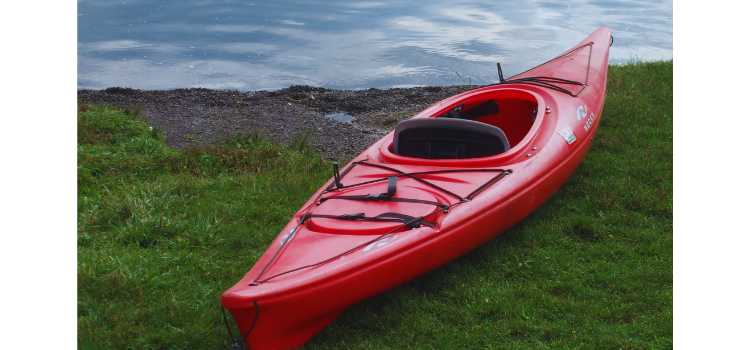
Night Fishing From a Boat or Kayak
Fishing from a boat or kayak after sunset requires additional planning. Your visibility is reduced, and other boats or obstacles may be harder to identify.
Prepare Your Boat Before Sunset
Do your equipment checks while there is still daylight. Check your battery, navigation equipment, lights, communication devices, anchor, and safety equipment before launching.
Kayak Safety
If you are fishing from a kayak, make sure your setup is appropriate for nighttime conditions. Wear your personal flotation device and make sure your kayak can be seen by others on the water.
Anchor Systems
A suitable anchor system can help you maintain position when conditions allow. However, do not anchor in areas where doing so could create a safety hazard or violate local rules.
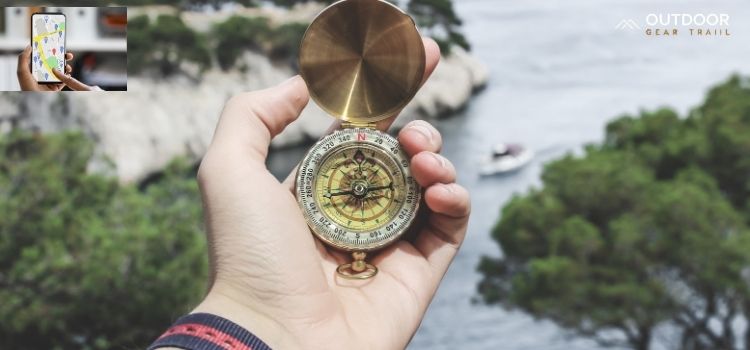
Fish Finders and GPS Devices
Modern electronics can make nighttime fishing easier, particularly when you are fishing from a boat. A fish finder can help you understand depth and underwater structure, while GPS equipment can help you mark productive locations.
- Fish Finders: A backlit fish finder is easier to read in darkness. Reduce the screen brightness when possible so you do not ruin your night vision every time you look down.
- GPS:A GPS can help you record locations and navigate back toward your launch point. I still recommend carrying a backup navigation method rather than depending entirely on electronics.
How to Fish More Effectively at Night
Night fishing requires a little more patience. Because you cannot see your lure or line as clearly, it becomes more important to pay attention to feel, sound, water movement, and line tension.
Slow Down Your Retrieve
Depending on the species and lure, a slower presentation can give fish more time to detect your offering. Start slowly and adjust based on what you observe.
Reduce Unnecessary Noise
Try to keep unnecessary movement and noise to a minimum, especially when fishing from a small boat or kayak. Quietly organizing your tackle before casting can make the experience much easier.
Learn to Fish by Feel
Without good visibility, you will naturally rely more on your hands. Learn how your rod and line feel during a normal retrieve so you can notice unusual taps, pressure, or movement.
Read more : 7 Best Personal GPS Trackers for Hiking Without Cell Service
Storage and Tackle Organization
Organization becomes more important when you cannot clearly see everything in your tackle box. Keep frequently used items in predictable locations so you do not have to search through everything in the dark.
Tackle Box
Use a tackle box with compartments that are easy to identify. Small labels or a simple organization system can save considerable time at night.
Cooler
A cooler can keep food and drinks cold and may also be useful for legally retained fish. Follow all applicable fish-handling and possession requirements.
🎣 Get Ready for Your Next Night Fishing Trip
Planning to fish after sunset? A reliable headlamp, backup light, organized tackle, and the right outdoor gear can make your nighttime fishing trip safer and more comfortable.
🛒 Check Night Fishing Gear on AmazonAs an Amazon Associate, we may earn from qualifying purchases.
Environmental Responsibility
Nighttime fishing can be peaceful, but we still need to respect the environment. Pack out fishing line, bait containers, food wrappers, and other waste.
Protect Wildlife
Keep your distance from wildlife and avoid disturbing nesting areas or animals using the shoreline. Nighttime is an important period for many species, so our presence should have as little impact as possible.
Dispose of Fishing Line Properly
Never leave discarded fishing line behind. Loose line can injure birds, mammals, and other wildlife.
Read more : Best Fishing Tackle for Beginners: Essential Gear
Common Night Fishing Mistakes to Avoid
- Assuming every Oregon waterway allows fishing after dark
- Failing to check the latest fishing regulations
- Arriving without a reliable light
- Forgetting spare batteries or a backup flashlight
- Walking unfamiliar shorelines too quickly
- Taking unnecessary risks around deep or moving water
- Keeping tackle scattered around your fishing area
- Ignoring changing weather conditions
- Leaving fishing line or other waste behind
My Night Fishing Checklist
When I prepare for a nighttime fishing trip, I like to run through a simple checklist before leaving home.
- ☐ Check current fishing regulations
- ☐ Confirm the location is open
- ☐ Check weather conditions
- ☐ Fishing rod and reel
- ☐ Legal tackle and bait
- ☐ Headlamp
- ☐ Backup flashlight
- ☐ Spare batteries or power bank
- ☐ Appropriate clothing
- ☐ Grippy or waterproof footwear
- ☐ First-aid kit
- ☐ Phone and navigation equipment
- ☐ Food and drinking water
- ☐ Personal flotation device when fishing from a watercraft
- ☐ Trash bag for packing out waste
Tips for Your First Night Fishing Trip
If you have never fished after sunset, I recommend starting somewhere familiar rather than choosing a remote location. A place you already know during the day will be easier to navigate at night.
Start before sunset so you have time to set up your tackle while you can still see clearly. Once darkness arrives, you can concentrate on fishing instead of trying to organize equipment.
Keep your first trip relatively short. After a few outings, you will learn which gear you actually use and which items simply add weight to your pack.
Personal Experiences and the Appeal of Night Fishing
One reason I enjoy the idea of night fishing is that the experience is about more than catching fish. The quiet surroundings, cooler air, stars, and sounds of the water create a completely different outdoor experience.
Every trip can also teach you something. You may discover that a particular lure works better than expected, learn to identify fish activity by sound, or simply find a peaceful place where you can slow down for a few hours.
Frequently Asked Questions
Can you fish at night in Oregon?
Whether you can fish after dark depends on the specific location, species, season, fishing method, and current regulations. Check the current ODFW rules for the exact waterbody before fishing.
Do you need a fishing license to fish in Oregon at night?
If the fishery requires a state license, fishing at night does not automatically remove that requirement. However, some locations have special rules. For example, the National Park Service states that a state fishing license is not required within Crater Lake National Park.
Can you fish at night at Crater Lake?
Crater Lake has specific National Park Service fishing rules, including a May 20 through October 31 fishing season, restrictions on bait, and closures in certain locations. The park’s rules should be checked before planning an after-dark fishing trip because fishing-season dates do not automatically answer every question about nighttime access or activity.
Can you use worms at Crater Lake?
No. The National Park Service states that organic bait, including worms and nightcrawlers, is not permitted within Crater Lake National Park. Only non-organic artificial flies and lures may be used.
What is the best light for night fishing?
A headlamp is one of the most practical options because it leaves both hands free. I recommend carrying a second flashlight or headlamp as a backup.
Is night fishing safe?
Night fishing can be done safely when you choose an appropriate location, check the weather, carry reliable lighting, tell someone where you are going, and understand the terrain and water conditions. Fishing from a boat after dark requires additional preparation.
What should I bring for night fishing?
At minimum, bring your normal fishing equipment plus a headlamp, backup flashlight, extra batteries or power, suitable clothing, water, first-aid supplies, and a phone. Your exact equipment should depend on the location and fishing method.
Is night fishing better than daytime fishing?
Neither is automatically better. Night fishing offers quieter conditions and a different fishing experience, while daytime fishing provides better visibility and can be easier for beginners. The better option depends on your target species, location, conditions, and personal preferences.