

As an Amazon Associate I earn from qualifying purchases.
If you enjoy fishing but the cost of rods, reels, tackle, and accessories is holding you back, you don’t always have to buy everything new. There are several legitimate ways to find fishing gear for free, borrow it, trade for it, or buy used equipment at a much lower price.
In this guide, I’ll walk you through practical ways to find free or discounted fishing gear, how to check used equipment before accepting it, and how to keep older gear in good working condition. Some options depend on your local community, while others are available through online marketplaces, fishing clubs, giveaways, and outdoor programs.
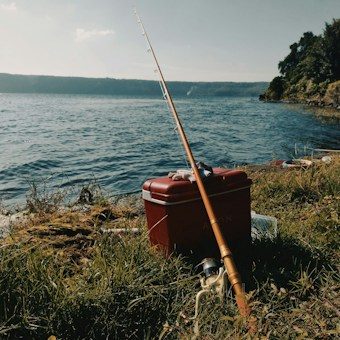
Can You Really Get Fishing Gear for Free? Learn How to Get Free Fishing Gear
Understanding how to get free fishing gear is essential for any angler looking to enhance their fishing experience without breaking the bank.
Yes, but “free” fishing gear usually comes with a condition. You may need to pick it up locally, participate in a community exchange, enter a giveaway, volunteer at an outdoor event, or accept used equipment instead of brand-new gear.
Understanding how to get free fishing gear opens up many possibilities for anglers looking to save money while enjoying their favorite hobby.
The easiest items to find for free or very cheaply are often tackle boxes, lures, fishing line, basic tools, floats, and older rods. More expensive equipment such as quality reels, GPS units, or specialty rods is generally harder to obtain without paying anything.
10 Practical Ways to Get Free or Cheap Fishing Gear
1. Join Local Fishing Clubs and Gear Swaps
Local fishing clubs can be a useful place to ask about spare or unwanted equipment. Members sometimes have older rods, reels, tackle boxes, or accessories they no longer use.
Look for fishing clubs, conservation groups, community centers, and local outdoor organizations in your area. Some groups organize gear swaps where members exchange equipment instead of throwing it away.
If you are new to fishing, don’t be afraid to ask whether anyone has beginner equipment available to borrow. Building relationships within a local fishing community can be more useful than simply searching for free products online.
2. Check Facebook Marketplace and Local Free Groups
Facebook Marketplace and local community groups can occasionally have fishing equipment listed for free or at a very low price. Search terms such as “free fishing gear,” “fishing tackle,” “fishing rod,” and “fishing equipment” can help you find relevant listings.
Always check the listing carefully. If the seller is asking for payment, shipping fees, deposits, gift cards, or unusual payment methods, treat the offer cautiously.
3. Look at Craigslist and Freecycle
Local classified websites can be another source of used fishing equipment. People clearing out garages, storage units, or vacation homes sometimes give away equipment they no longer need.
Freecycle-style community groups are particularly useful because the purpose is often to give unwanted items to someone who can use them rather than selling them.
4. Ask Friends, Family, and Other Anglers
This is one of the simplest options, but it is easy to overlook. Ask friends, relatives, coworkers, or neighbors whether they have unused fishing equipment sitting in storage.
Many anglers accumulate duplicate lures, spare line, old tackle boxes, and rods they no longer use. Someone who is finished with fishing may be happy to pass the equipment along rather than throw it away.
5. Watch for Fishing Gear Giveaways
Fishing brands, tackle shops, outdoor websites, fishing channels, and local events sometimes run giveaways. Follow legitimate brands and organizations through their official websites and social media accounts so you can see when new promotions are announced.
Be careful with giveaway scams. A legitimate promotion should not normally require you to send passwords, banking information, gift cards, or cryptocurrency to claim a prize.
6. Check Local Fishing and Outdoor Programs
Some parks, community organizations, youth programs, and outdoor recreation groups provide fishing equipment for participants. These programs can be particularly useful for beginners and families who want to try fishing before investing in their own equipment.
Availability varies by location and season, so check your local parks department, recreation center, fishing organizations, and state wildlife or natural-resources agency for current programs.
7. Trade Gear You No Longer Need
You don’t necessarily need cash to upgrade your fishing setup. If you have unused outdoor equipment, tackle, or accessories, consider offering them in a local fishing group or gear-swap community.
For example, an extra tackle box might be useful to another angler who has a spare rod you need. Trading also keeps usable equipment in circulation and can reduce unnecessary waste.
8. Buy Used Instead of New
If free gear is difficult to find, used equipment can be the next best option. Used fishing rods and reels can cost substantially less than new equipment, particularly when you buy directly from another angler.
Before buying, inspect the equipment rather than relying only on photographs. For a rod, look closely at the guides, tip, handle, and blank. For a spinning reel, check that the bail operates correctly, the spool turns smoothly, and the drag doesn’t appear damaged.
9. Ask Fishing Tackle Shops About Local Promotions
Local tackle shops may know about community fishing events, demonstrations, beginner programs, clearance items, or promotions. Even when they don’t give away equipment, they may be able to point you toward local organizations that do.
It’s also worth checking clearance sections and discontinued products if your goal is to build a basic setup for less money.
10. Learn Basic Fishing Gear Repairs
Sometimes the cheapest fishing gear is the equipment you already own. A reel that needs cleaning or a rod with a damaged tip may be repairable instead of being thrown away.
Simple maintenance can include cleaning a reel, replacing fishing line, changing worn terminal tackle, and replacing certain rod-tip components. More serious structural damage should be evaluated carefully before the equipment is used again.

How to Check Free or Used Fishing Gear Before You Use It
Free does not automatically mean safe or usable. Take a few minutes to inspect equipment before taking it on the water.
Inspect Fishing Rods
- Look for cracks, deep scratches, or damaged sections.
- Check that the rod guides are secure and not badly damaged.
- Inspect the tip carefully because small cracks can become larger failures.
- Check the handle and reel seat for loose or broken components.
Inspect Fishing Reels
- Turn the handle and listen for unusual grinding or excessive noise.
- Check whether the bail opens and closes properly on spinning reels.
- Inspect the spool for corrosion or significant damage.
- Test the drag gradually rather than forcing it.
Check Hooks and Terminal Tackle
Old hooks can become rusty or dull. Replace hooks that are heavily corroded, badly bent, or otherwise unreliable. Also inspect swivels, snaps, split rings, and fishing line before relying on them.
A Budget-Friendly Fishing Tackle Kit
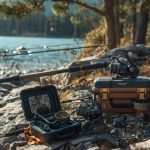
If you cannot find everything for free, a basic tackle kit can help you get started without buying every item separately. Look for a kit that matches the type of fishing you actually plan to do rather than paying for a large collection of accessories you may never use.

PLUSINNO Fishing Accessories Kit
If you’re looking for an inexpensive all-in-one tackle option rather than free gear, the PLUSINNO Fishing Accessories Kit is one example of a bundled tackle set. The exact contents and piece count can vary by version, so check the current Amazon listing before purchasing.
For beginners, the advantage of a tackle kit is convenience: you can get multiple types of terminal tackle in one organized container instead of purchasing every small item individually.
👉 Check the Current Price on Amazon
How to Make Fishing Gear Last Longer
Whether your equipment was free, used, or brand new, proper maintenance can help you get more use from it.
Rinse Gear After Saltwater Fishing
Saltwater can contribute to corrosion, so rinse appropriate equipment with fresh water after saltwater use. Follow the manufacturer’s cleaning instructions for reels and other components rather than soaking equipment unnecessarily.
Dry Everything Before Storage
Allow wet gear to dry before putting it away. Store rods, reels, tackle, and soft equipment somewhere dry and protected from unnecessary moisture.
Replace Worn Line and Damaged Tackle
Fishing line and terminal tackle are consumable items. If line is badly worn, frayed, or damaged, replacing it is usually more sensible than trying to extend its life indefinitely.
Free Fishing Gear Doesn’t Have to Mean Poor-Quality Gear
A free rod or tackle box may be old, but age alone doesn’t determine whether equipment is useful. What matters is its condition and whether it is appropriate for the type of fishing you plan to do.
For example, an older tackle box may still be perfectly functional, while a damaged fishing line should be replaced. The goal is not simply to collect free equipment; it’s to build a safe, practical setup from equipment that is still fit for use.

How to Avoid Fishing Gear Scams
Free-item listings can attract scams, so use common sense when responding to online offers.
- Do not send passwords, banking credentials, or verification codes.
- Be cautious if someone asks for gift cards or cryptocurrency to release a “free” item.
- Don’t click suspicious payment or giveaway links.
- For local pickups, choose a sensible public meeting location when appropriate.
- Inspect the equipment before handing over money for a supposedly free or discounted item.
The Sustainable Side of Reusing Fishing Gear
Passing usable fishing equipment from one angler to another can keep products in use longer and reduce unnecessary disposal. Gear swaps, secondhand purchases, repairs, and donations are practical ways to make better use of equipment that might otherwise sit unused.
Responsible fishing also means following local regulations, disposing of damaged fishing line properly, and avoiding practices that can harm wildlife or waterways. Getting equipment cheaply is useful, but using it responsibly matters just as much.
My Practical Approach to Finding Free Fishing Gear
If I were putting together a fishing setup on a very small budget, I would start locally before buying anything. I’d ask other anglers, check community groups, look for gear swaps, and search local free-item listings.
Next, I’d inspect whatever equipment I found and separate the genuinely useful items from anything damaged or unsafe. Only after exhausting those options would I spend money on the pieces that are still missing.
This approach keeps the focus on getting the equipment you actually need instead of accumulating a large amount of inexpensive gear that may never be used.

Final Thoughts
You don’t need an expensive collection of fishing equipment to get started. Community gear swaps, friends and family, local giveaway groups, used marketplaces, fishing programs, and brand promotions can all help reduce the cost.
The most important step is to inspect used equipment carefully and replace anything that is damaged or unreliable. A small amount of research and patience can help you build a useful fishing setup while keeping perfectly usable gear out of the trash.
If you know another angler who is looking for affordable equipment, share this guide with them. You may also find useful ideas in our guides to telescopic fishing rods and fishing tackle for beginners.

FAQs About Getting Free Fishing Gear
Where can I find free fishing gear online?
Start with local Facebook groups, Facebook Marketplace, Craigslist, Freecycle-style communities, and fishing forums. Search regularly because free listings can disappear quickly.
Can beginners get fishing equipment for free?
Yes. Beginners can ask friends and local anglers about unused equipment, look for community fishing programs, attend gear swaps, and monitor local free-item groups. Borrowing equipment is also a good way to try fishing before buying a complete setup.
Are used fishing rods and reels worth buying?
They can be, provided they are in good condition and appropriate for the type of fishing you plan to do. Inspect the rod blank, guides, reel seat, reel handle, bail, spool, and drag before buying.
Are there programs that provide fishing equipment?
Some local parks, recreation organizations, youth programs, and community groups may offer fishing equipment or fishing events where equipment is available to participants. Availability varies by location, so check your local organizations for current programs.
How can I repair old fishing equipment?
Basic maintenance can include cleaning reels, replacing worn line, changing terminal tackle, and replacing compatible rod-tip components. For significant cracks, structural damage, or equipment that could fail under load, replacement may be safer than attempting a simple DIY repair.
What should I do with damaged fishing line?
Don’t leave discarded fishing line near the water. Collect it and dispose of it through an appropriate recycling or waste program available in your area. Loose fishing line can pose a serious entanglement hazard for wildlife.