As an Amazon Associate I earn from qualifying purchases.
Imagine standing knee-deep in a clear mountain river at first light, watching trout rise to a hatch. You false-cast once, shoot the line, and watch your dry fly settle softly on the seam. When a 16-inch brown trout takes that fly and bolts downstream, your reel suddenly stops being just a line holder—it becomes the only thing protecting your 5X tippet from snapping.
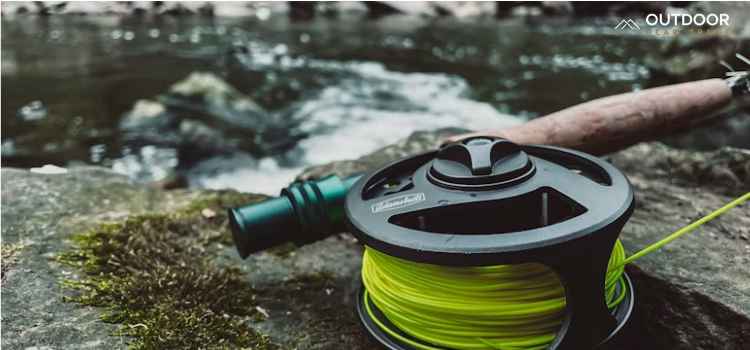
Choosing the right gear, particularly the Best Fly Fishing Reels, enhances your overall experience.
The right choice of the Best Fly Fishing Reels can significantly impact your success on the water.
Whether you are setting up your first 5-weight or looking for a saltwater drag system that won’t seize up, picking the right fly reel can make or break your time on the water. In this guide, we break down how fly reels work, what key specs matter, and how to choose the right model for your targeted species and budget.
Why Choosing the Best Fly Fishing Reels Matters
A quality fly reel not only provides smooth operation but also offers durability against harsh elements. The drag system should be responsive, allowing for quick adjustments when a fish makes a sudden run. Additionally, the weight of the reel is crucial; it should balance well with your rod to ensure comfortable casting throughout the day. Investing in a reputable brand can also lead to better customer support and warranty options, giving you peace of mind during your fishing adventures. Ultimately, the right reel enhances your control and connection to the water, elevating your entire fishing experience.

How Fly Reels Work (And Why They Differ from Spinning Gear)
Unlike spinning or conventional gear where heavy lures pull the line off the spool, fly fishing relies on the weight of the fly line to carry a nearly weightless fly to the target. (If you are new to the sport, check out our guide on essential fishing tackle for beginners to understand basic setups).
Because cast distance is driven by the line and rod, the primary jobs of a fly reel are to store fly line and backing, counterbalance the rod weight, and apply smooth drag when fighting larger fish.
Fly Reel Mechanisms: What You Need to Know
While historically anglers used single-action, multiplying, or automatic spring-loaded reels, modern fly reel design focuses almost entirely on single-action, 1:1 gear ratios. Here is why simplicity wins on the water:
- Single-Action (Direct Drive): One turn of the handle equals one turn of the spool. This provides maximum control, lightweight durability, and minimal moving parts that can fail under load.
- Multiplying & Automatic Reels: While multiplying gears (higher gear ratios) and automatic lever-retrieval systems exist, they add significant weight and mechanical complexity. Modern anglers overwhelmingly prefer large-arbor single-action reels, which recover line rapidly without the added weight or risk of gears stripping.

Key Features to Evaluate Before Buying
1. Drag System: Click-and-Pawl vs. Disc Drag
The drag system creates tension when a fish pulls line from the spool, preventing overruns and tiring out the fish.
- Click-and-Pawl (Traditional): Uses a mechanical gear and spring tooth to create classic “audible clicking” tension. Perfect for small trout streams, panfish, and lightweight 1-weight to 3-weight rods where line strip-out tension is all you need.
- Disc Drag (Modern Standard): Employs carbon fiber, cork, or synthetic discs to apply ultra-smooth, adjustable pressure. Essential for stopping fast-running fish (like steelheads, bass, or bonefish) without snapping fine tippets.
2. Arbor Size: Standard vs. Large Arbor
The arbor is the inner cylinder core of the reel spool.
- Standard Arbor: Smaller core diameter. Lightweight and compact, but retrieves line slowly and induces high line coiling (“memory”).
- Mid / Large Arbor: Wider core diameter. Line retrieves up to 3x faster per revolution, reduces line memory, and maintains a consistent drag setting even when deep into your backing.
3. Construction: Cast Aluminum vs. CNC Machined
- Cast / Composite: Poured molten metal or plastic polymers. Affordable option for beginners, but vulnerable to cracking if dropped on rocks.
- CNC Machined Aluminum (Bar-Stock): Cut directly from a solid block of aircraft-grade 6061-T6 aluminum. Extremely tough, lightweight, and anodized to resist corrosion in harsh environments.
Top Fly Reel Recommendations by Experience & Environment
1. Best Entry-Level Reels
If you are just getting started, you don’t need to spend $500. Reliable models like the Orvis Clearwater, Redington Run, or Piscifun Sword offer die-cast or hybrid aluminum construction, smooth disc drag systems, and great overall value.
2. Best High-Performance Freshwater Reels
For anglers targeting big river trout or smallmouth bass, mid-to-high tier reels like the Orvis Hydros, Lamson Liquid/Speedster, or Ross Animas deliver fully sealed drag housings, precise adjustment knobs, and featherlight physical weights to pair with modern fast-action graphite rods.
3. Best Saltwater & Big-Game Reels
Saltwater demands sealed drag canisters (to prevent sand and salt crystallization inside drag washers) and heavy-duty Type III anodizing. Look into heavy-hitters like the Sage Thermo, Hatch Iconik, or Nautilus NV-G for targeting species like redfish, tarpon, or striped bass.
Whether you need a smooth disc drag for freshwater trout or a sealed frame for saltwater, having the right reel makes all the difference on the water.
🛒 Click here to check the latest deal on our top-recommended fly reel on Amazon

How to Clean & Maintain Your Fly Reel
Proper maintenance ensures your reel drag stays silky smooth for decades:
- Rinse After Every Trip: Strip off excess line and rinse the spool and frame with lukewarm, low-pressure tap water—especially after saltwater outings. Never submerge an unsealed drag knob in high-pressure streams.
- Back Off the Drag During Storage: Loosen the drag knob completely before storing your reel. Storing a reel under full drag pressure compresses the washers over time, shortening drag life.
- Annual Lubrication: Remove the spool once a year, wipe down spindle shafts with a soft microfiber cloth, and apply a single drop of synthetic reel oil to bearings and pawls.
Real Angler Field Feedback
“Upgrading from an old standard-arbor clicker to the Orvis Hydros was night and day on my local tailwaters. Being able to reel up slack line twice as fast kept three different trout from throwing the hook last season.”
— Mark T., Montana Fly Angler
“I took the Redington Behemoth on a trip for Florida redfish. The die-cast frame keeps the cost down, but that carbon disc drag packs enough stopping power to halt a freight train.”
— Sarah L., Coastal Guide
Frequently Asked Questions
How do I match a fly reel to my rod?
Fly reels are rated by line weight (e.g., 4/5wt or 7/8wt). Match the reel size rating directly to your rod’s line weight rating to ensure proper physical counterbalance and adequate spool capacity for backing.
Can I use a freshwater fly reel in saltwater?
It is not recommended. Unsealed freshwater drag systems will allow saltwater inside, causing corrosion and washer slippage. Saltwater reels feature hard-anodized coatings and fully sealed drag housings.
How much backing line do I need on my fly reel?
For standard trout setups (3wt to 5wt), 50 to 100 yards of 20lb Dacron backing is sufficient. For big game or saltwater setups (8wt and above), aim for 150 to 250+ yards of 30lb Dacron or braided backing.
About the Author: John Doe is an avid angler and gear tester with over 20 years of fly fishing experience across North America’s rivers and flats. He regularly audits, field-tests, and reviews rods, lines, and reels to help anglers make informed gear decisions on Outdoor Gear Trail.