As an Amazon Associate I earn from qualifying purchases.
Getting started with fishing can feel confusing because there are so many rods, reels, lines, hooks, lures, and accessories to choose from. I have found that beginners usually do better when they understand what each piece of tackle does before spending money on a complete setup.
In this guide, we break down the most common types of fishing tackle and explain where each one fits. We cover freshwater fishing, fly fishing, and saltwater fishing, along with basic casting, retrieval, safety, and tackle-care tips. Our goal is to help you build a practical setup that matches the type of fishing you actually plan to do.
What Is Fishing Tackle?
Fishing tackle is the collection of equipment anglers use to catch fish. Depending on the fishing method, it can include a rod, reel, fishing line, hooks, bait, lures, sinkers, floats, swivels, leaders, and other accessories, including the best Fishing tackle for beginners.
If you are new to fishing, you do not need every type of tackle at once. I recommend starting with a simple rod-and-reel combination, a suitable fishing line, a small selection of hooks or lures, and only the accessories required for your chosen fishing location.
For additional information about fishing equipment, you can also explore our fishing tackle resources.
Types of Fishing Rods
1. Spinning Rods
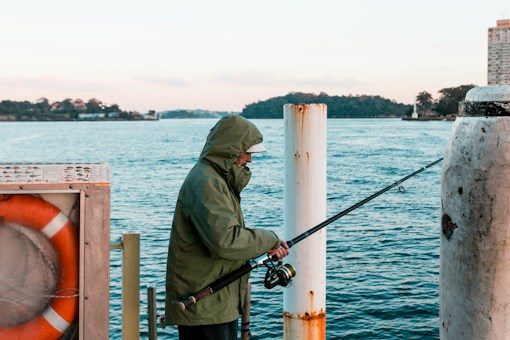
Spinning rods are among the easiest rods for beginners to learn. The reel sits underneath the rod, and the setup works well with many common fishing techniques. Depending on the rod’s length and power, a spinning setup can be used for small freshwater fish or larger species.
If I were putting together a first fishing setup for a beginner, a suitable spinning rod would usually be one of the first options I would consider because it is relatively straightforward to cast and maintain.
2. Baitcasting Rods
Baitcasting rods are designed to work with baitcasting reels and provide excellent control when casting heavier lures. Experienced anglers often choose them when they need accurate lure placement or additional control over the presentation.
The learning curve is steeper than with a basic spinning setup. Beginners may encounter line tangles while learning to control the spool, so practicing before targeting difficult water can save frustration.
3. Fly Rods
Fly rods are designed specifically for fly fishing. Unlike conventional fishing, where the weight of a lure or bait helps carry the line, fly fishing uses a specialized fly line to deliver lightweight flies.
Fly rods vary in length and weight depending on the fish, flies, and water conditions. If you are interested in fly fishing, our guide to fly fishing reels can help you understand how the reel fits into the overall setup.
How to Choose the Right Fishing Reel
The reel should match the rod, fishing line, lure weight, and target species. Choosing a reel simply because it looks powerful can result in an unbalanced setup that is uncomfortable to use.
Spinning Reels
Spinning reels are beginner-friendly and versatile. They are mounted below the rod and are particularly useful when casting lighter lures or bait. With the appropriate size and line, they can be used for both freshwater and saltwater fishing.
Our guide to fishing locations and techniques can also help you decide what type of setup makes sense for your preferred fishing environment.
Baitcasting Reels
Baitcasting reels provide excellent control and are commonly used with heavier lures. The reel sits above the rod, and the spool rotates during the cast.
The main challenge for beginners is spool control. If the spool rotates faster than the lure pulls line away, the result can be a backlash or line tangle. Learning to adjust the braking system and spool tension takes practice.
Fly Reels
Fly reels are simpler in design than many conventional reels. Their main jobs are to store fly line, provide drag when needed, and balance the fly rod.
Fishing Lines: Types and Uses
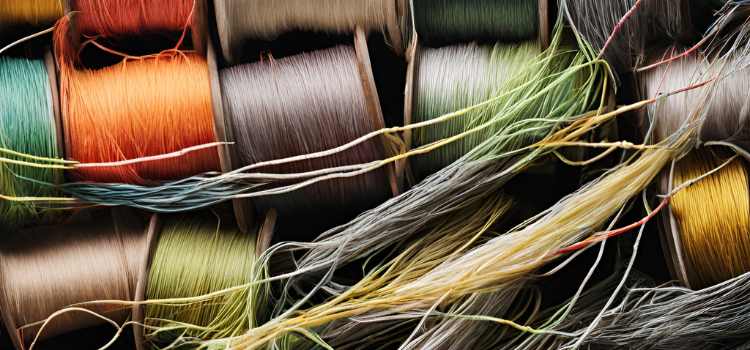
The fishing line connects your tackle to the fish, so selecting the appropriate type matters. The three common choices are monofilament, braided line, and fluorocarbon.
Monofilament Line
Monofilament line is made from a single strand, commonly nylon. It is affordable, relatively easy to handle, and has noticeable stretch. That stretch can be forgiving when a fish makes a sudden run, which is one reason monofilament remains popular with beginners.
It is a versatile option for many freshwater applications and can be used for a variety of fishing techniques. You can also explore our guide to fishing spots and techniques.
Braided Fishing Line
Braided line is made by weaving multiple synthetic fibers together. It provides high strength relative to its diameter and has very little stretch compared with monofilament.
That sensitivity can help anglers detect subtle changes in the lure or contact with structure. Braided line is also popular when fishing around heavy cover or targeting powerful fish.
Fluorocarbon Line
Fluorocarbon is valued for its low visibility underwater and abrasion resistance. Many anglers use it as leader material rather than as their primary main line.
For clear water or situations where fish are cautious, fluorocarbon can be a useful part of the setup.
Essential Fishing Accessories
Fishing Hooks
Hooks come in many shapes and sizes because different fishing techniques and species require different hook designs. Common styles include J-hooks, circle hooks, and treble hooks.
Rather than carrying dozens of sizes when you are starting out, choose hooks that match the bait, lure, and fish species you expect to encounter. Our guide to fishing hooks and gear is another useful resource.
Baits and Lures
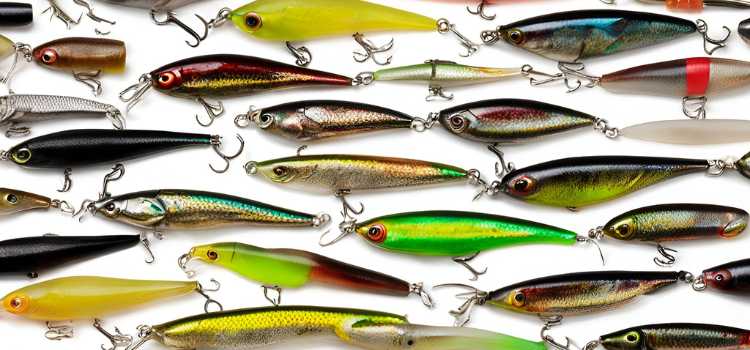
Live Baits: Worms, minnows, insects, and other natural baits can be effective because they provide natural movement and scent. They are often a practical choice for beginners who want to keep the presentation simple.
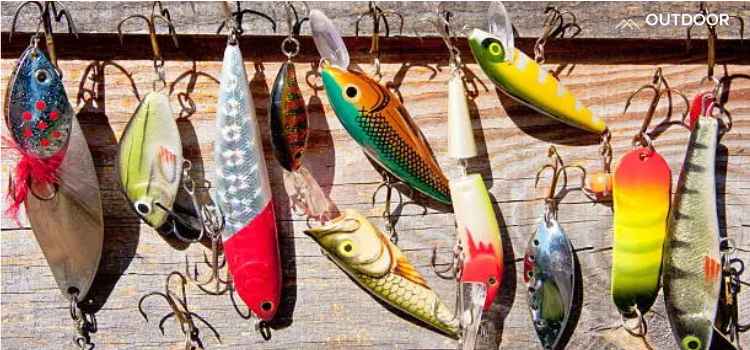
Artificial Lures: Artificial lures are designed to imitate prey through their appearance, vibration, movement, or combination of these characteristics. Common examples include spinners, crankbaits, jigs, and soft plastics.
Different lures work better in different conditions, so I recommend learning how a lure is intended to move before buying a large selection.
Sinkers and Weights
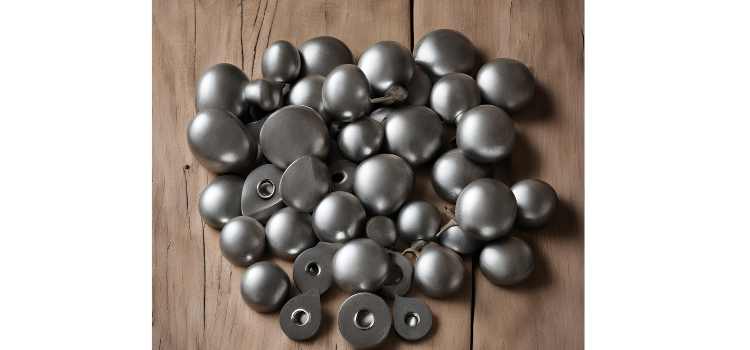
Sinkers add weight to a fishing rig and help place bait or lures at the desired depth. Common styles include split shot, egg sinkers, and bullet weights for different presentations.
The right weight depends on the depth, current, bait, and rig you are using. Too little weight may prevent your bait from reaching the intended area, while excessive weight can make the presentation unnatural.
Bobbers and Floats
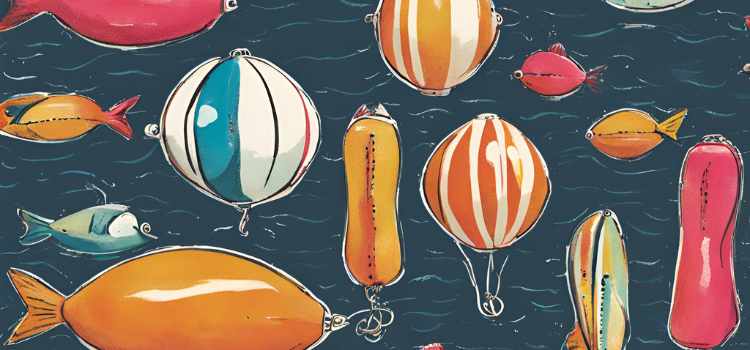
Bobbers and floats suspend bait at a selected depth and provide a visible indication when a fish takes the bait. They can make learning easier because beginners can watch the float rather than relying entirely on feeling the bite through the rod.
Common styles include round bobbers, slip floats, and pencil-style floats. The best choice depends on water depth, current, and the way you want to present your bait.
Basic Fishing Techniques for Beginners
Good tackle helps, but technique matters just as much. I recommend practicing basic casting and retrieval in a safe, open area before trying to fish around crowded banks, trees, docks, or other obstacles.
- Overhead Casting:The overhead cast is one of the most common conventional casting techniques. The rod is brought backward and then smoothly forward while the line is released to propel the bait or lure toward the target.
- Sidearm Casting:A sidearm cast is useful when overhead casting is restricted by low branches or other obstacles. It can also provide more control when placing a lure along a shoreline or structure.
- Steady Retrieve: A steady retrieve means reeling at a relatively consistent speed. It works well with lures designed to swim continuously through the water, including many crankbaits and spinner-style lures.
- Stop-and-Go Retrieve: A stop-and-go retrieve alternates between movement and pauses. The pause can change the action of a lure and may attract fish that are following without striking.
- Setting the Hook: Hook-setting technique depends on the fishing method, hook style, and species. Instead of automatically making a hard upward strike, pay attention to the type of rig you are using and the way the fish takes the bait.
Practice and timing are important. Our outdoor guides can also help you develop skills for different activities and conditions.
Fly Fishing Tackle for Beginners
Fly fishing requires a different tackle system from conventional fishing. Instead of relying on a heavy lure to carry the line, the fly line provides the weight used during the cast.
When building a beginner fly-fishing setup, the rod, reel, fly line, leader, tippet, and flies need to work together. Starting with a balanced combination is generally easier than buying each component independently without checking compatibility.
Understanding Fly Fishing Tackle
Fly Rods
Fly rods are classified by weight and length. The appropriate weight depends on the fish, fly size, casting conditions, and type of water.
1–3 weight: Lightweight rods are commonly suited to small streams and smaller fish where delicate presentations are important.
4–6 weight: Medium-weight rods are versatile and commonly used for trout and a variety of freshwater situations.
7–9 weight: Heavier rods provide more power for larger fish, larger flies, and some saltwater applications.
Fly Reels
A fly reel stores line, provides drag, and helps balance the rod. Reel size should be compatible with the rod and fly-line weight.
Standard-arbor reels have a smaller spool diameter and are suitable for many general fly-fishing applications.
Large-arbor reels have a larger spool diameter, which can allow faster line retrieval and help reduce line memory.
Fly Lines
Fly lines come in different weights, tapers, and densities. The line should match the rod’s recommended weight.
Weight-forward lines: These are a common beginner choice because the heavier forward section helps load the rod during casting.
Double-taper lines: These lines taper toward both ends and can be useful for delicate presentations and roll casting.
Shooting-head systems: These are designed for casting distance and specialized applications.
Leaders and Tippets
The leader connects the fly line to the tippet and fly. A tapered leader transitions from a thicker butt section to a thinner end, helping transfer energy smoothly during the cast.
The tippet is the final section attached to the fly. Its diameter and strength should match the fly size and fishing conditions.
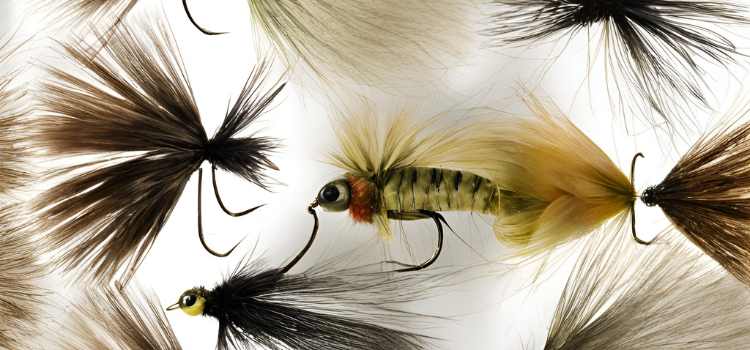
Choosing the Right Fly
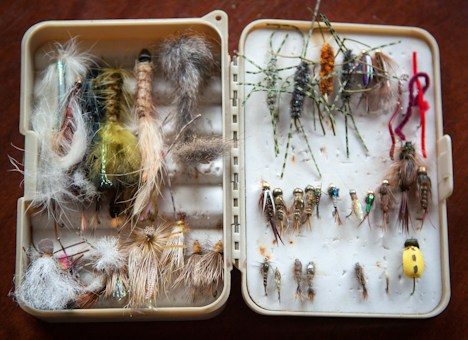
Dry Flies
Dry flies float on the surface and are commonly used when fish are feeding on insects at or near the water’s surface.
Popular examples include:
- Adams
- Elk Hair Caddis
- Blue Wing Olive
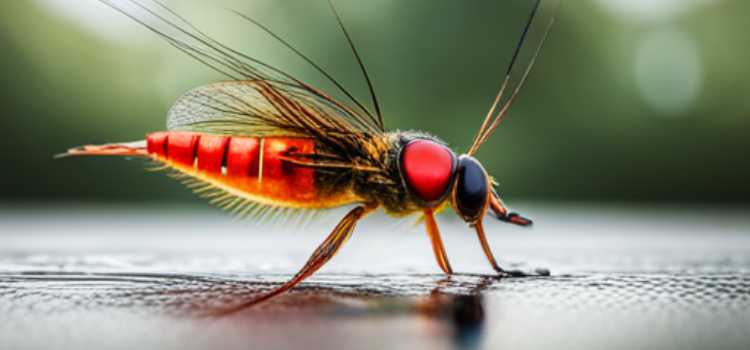
Nymphs
Nymphs imitate immature aquatic insects and are fished below the surface. Because many fish feed underwater, nymphing can be an important technique for beginners to learn.
Common examples include:
- Pheasant Tail
- Hare’s Ear
- Copper John
Streamers
Streamers imitate larger prey such as baitfish and leeches. They are actively retrieved or stripped through the water to create movement.
Popular examples include:
- Woolly Bugger
- Clouser Minnow
- Muddler Minnow
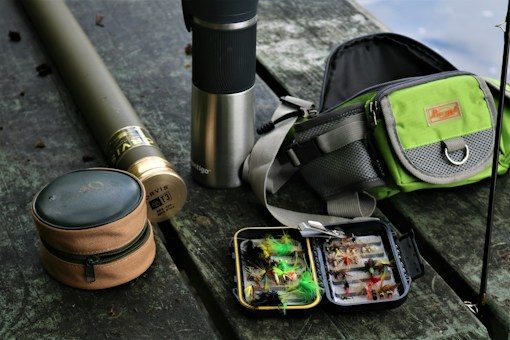
Essential Fly Fishing Accessories
- Fly Boxes: Fly boxes keep flies organized and protected. A waterproof or water-resistant design can be particularly useful when fishing around water.
- Waders and Wading Boots: Waders help keep anglers dry when fishing deeper water, while wading boots provide traction and protection. Different waters may call for different sole materials, so check local regulations before choosing felt-soled boots.
- Landing Nets:A landing net makes it easier to control a fish near shore or in the water. Rubberized netting can be a useful choice when fish handling and release are priorities.
- Nippers and Forceps: Nippers are useful for trimming line and tippet, while forceps can help remove hooks. Keeping both within easy reach makes changing flies and handling fish more convenient.
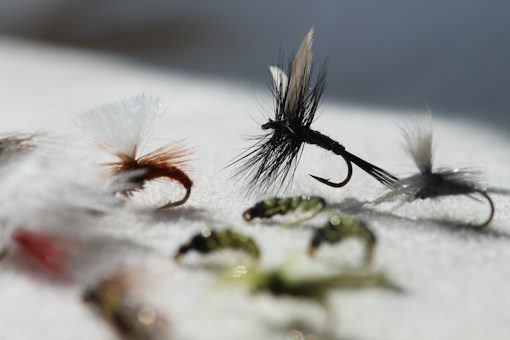
Fly Floatant and Sinkant
Fly floatant helps keep suitable flies on the surface, while sinkant can help certain flies sink. These products allow anglers to adjust the behavior of a fly to suit the fishing situation.
Basic Fly Fishing Techniques
- Overhead Cast: The overhead cast is one of the fundamental fly-casting techniques. The line is carried backward and forward through controlled movements rather than simply throwing the fly toward the target.
- Roll Cast: A roll cast is useful when there is little room for a traditional backcast. It allows the angler to form a forward loop using the line already positioned on or near the water.
- Dead Drift: Dead drifting means allowing the fly to move naturally with the current without excessive drag. This is commonly used with dry flies and nymphs.
- Swinging: Swinging involves presenting the fly across or downstream and allowing it to move through the current. It is commonly associated with streamers and wet flies.
Saltwater Fishing Tackle for Beginners
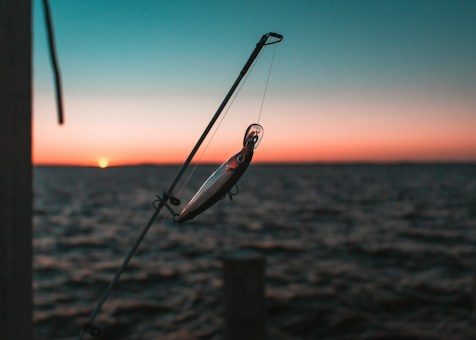
Saltwater fishing places additional demands on tackle because anglers may be dealing with stronger fish, larger lures, abrasive structure, and corrosive saltwater. Your setup should therefore match the species and environment rather than simply choosing the heaviest equipment available.
Whether you fish from a boat, pier, beach, or shoreline, understanding the conditions before choosing tackle can save money and prevent equipment problems.
Understanding Saltwater Fishing Tackle
Saltwater Fishing Rods
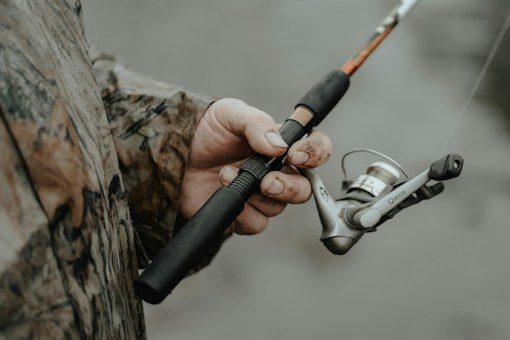
Saltwater rods are built to handle demanding conditions and powerful fish. The appropriate rod depends on whether you are fishing from shore, a pier, or a boat and on the species you are targeting.
Spinning rods: Easy to use and versatile, making them a practical starting point for many anglers.
Casting rods: Designed for baitcasting-style reels and useful when accuracy and lure control are priorities.
Surf rods: Longer and more powerful rods designed for casting from beaches and other shore-based locations.
Saltwater Fishing Reels
Saltwater reels need protection from corrosion and enough drag and line capacity for the fish being targeted.
Spinning reels: Versatile and relatively easy for beginners to operate.
Baitcasting reels: Provide control and precision but require more experience.
Conventional reels: Commonly used for heavier applications such as deep-water fishing and trolling.

Fishing Lines for Saltwater
Saltwater fishing line needs to handle abrasion, powerful fish, and the structure found around rocks, reefs, docks, and other areas.
Monofilament: Provides stretch and is forgiving for beginners.
Braided line: Offers high strength and low stretch and is useful for many heavy-duty applications.
Fluorocarbon: Often used as leader material because of its low underwater visibility and abrasion resistance.
Essential Saltwater Fishing Accessories
Hooks
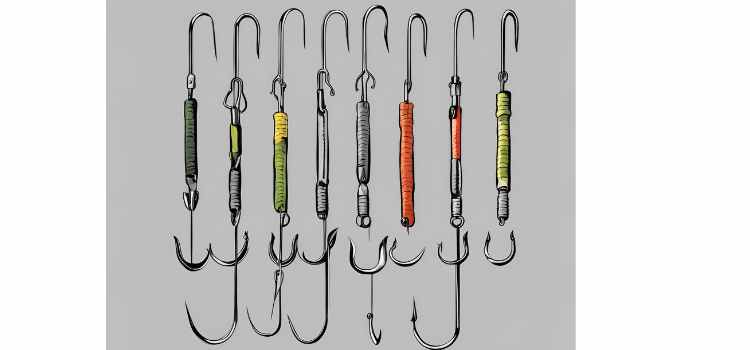
J-hooks, circle hooks, and treble hooks are among the common hook styles used in fishing. The appropriate hook depends on the bait, lure, target species, and local fishing regulations.
Baits and Lures
Natural saltwater baits can include shrimp, squid, and baitfish. Artificial options include jigs, spoons, soft plastics, and topwater lures.
The choice should be based on the species you are targeting and the conditions you expect to encounter rather than simply choosing the most expensive lure.
Sinkers and Weights
Sinkers help get bait or rigs to the desired depth. Common saltwater options include egg, pyramid, and bank sinkers. The shape and weight should match the current, depth, bottom conditions, and rig.
Swivels and Leaders
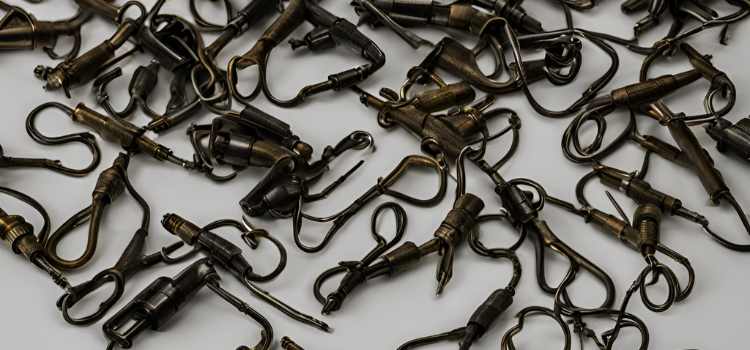
Swivels can help reduce line twist, while leaders provide additional abrasion resistance between the main line and terminal tackle. Leader material may be fluorocarbon, monofilament, or wire depending on the species and conditions.
Basic Saltwater Fishing Techniques
Overhead and Sidearm Casting
Overhead casting is useful when you have enough space behind you, while sidearm casting can be helpful around obstacles. Always check your surroundings before casting because hooks and lures can travel quickly and cause serious injuries.
Steady Retrieve
A steady retrieve keeps the lure moving at a consistent speed. It can be effective with lures designed to imitate swimming prey.
Jigging
Jigging involves repeatedly lifting and dropping a lure to create movement in the water. It is commonly used around deeper water and for species that respond to vertically presented lures.
Trolling
Trolling involves pulling a bait or lure behind a moving boat. It allows anglers to cover a large area and is commonly used when targeting pelagic species.
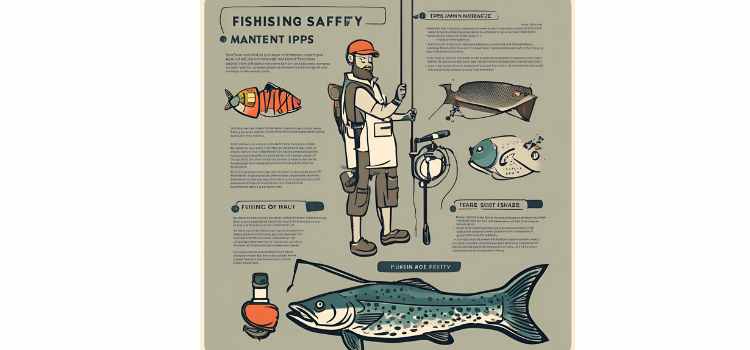
Fishing Safety Tips Every Beginner Should Know
Good fishing is not only about catching fish. Before we focus on tackle and technique, we should also think about personal safety and responsible fish handling.
- Check the weather: Weather can change quickly, especially around open water. Check conditions before leaving and continue monitoring them during your trip.
- Wear appropriate gear: Use suitable footwear, sun protection, and a properly fitted life jacket when boating or fishing where one is required.
- Watch your casting area: Make sure people, pets, boats, trees, and other obstacles are clear before casting.
- Handle hooks carefully: Keep hooks secured when they are not in use and use appropriate tools when removing difficult hooks.
- Handle fish responsibly: If you plan to release a fish, minimize unnecessary handling and keep it in the water as much as practical.
How to Maintain Your Fishing Tackle
Proper maintenance can extend the useful life of your fishing equipment. This becomes particularly important after saltwater trips because salt residue can contribute to corrosion.
- Rinse saltwater tackle: After saltwater fishing, rinse rods, reels, and suitable tackle with fresh water according to the manufacturer’s care instructions.
- Inspect your line: Check for abrasions, weak spots, fraying, or damage before fishing.
- Check hooks: Replace badly damaged or corroded hooks rather than relying on compromised terminal tackle.
- Clean your reel: Follow the reel manufacturer’s maintenance recommendations instead of applying excessive lubricant.
- Store tackle properly: Keep rods, reels, lures, and other equipment dry and protected from unnecessary moisture.
What Fishing Tackle Does a Beginner Actually Need?
You do not need a huge tackle box to start fishing. A simple setup is often easier to learn and maintain.
- A suitable spinning rod and spinning reel
- Fishing line matched to the reel and target species
- A small selection of appropriate hooks
- A few useful lures or suitable natural bait
- Basic sinkers or weights when required
- Bobbers if you are using float fishing techniques
- Line cutters or small tackle scissors
- Needle-nose pliers or suitable hook-removal tools
- A small tackle box for organization
Once you become comfortable with your basic setup, you can add specialized tackle for specific species, locations, or techniques. This approach can prevent beginners from spending money on equipment they may rarely use.
🎣 Ready to Upgrade Your Fishing Setup?
Get the fishing gear you need for your next adventure. Check the latest price, availability, and customer reviews on Amazon before you buy.
🎣 Check Price on Amazon →As an Amazon Associate, we may earn from qualifying purchases.
Common Beginner Fishing Mistakes to Avoid
- Buying tackle without considering the target species: Rod power, line strength, hooks, and lure size should have a purpose.
- Using too much tackle: Carrying everything can make fishing unnecessarily complicated.
- Ignoring line damage: A small abrasion can become a major problem when a strong fish takes the bait.
- Skipping practice: Casting becomes much easier after practicing basic movements before fishing in difficult locations.
- Ignoring local regulations: Fishing seasons, licenses, species limits, hook restrictions, and other rules can vary by location.
- Neglecting equipment after saltwater use: Salt residue can contribute to corrosion, so cleaning should become part of your routine.
Frequently Asked Questions About Fishing Tackle
What fishing tackle should a beginner buy first?
A basic spinning rod and reel, suitable fishing line, hooks, a few appropriate lures or bait, and simple terminal tackle are enough for many beginners. Your exact setup should depend on the fish and location you plan to target.
Is a spinning reel easier for beginners?
For many beginners, yes. Spinning reels are relatively straightforward to operate and work with a wide variety of fishing techniques.
What is the difference between monofilament and braided line?
Monofilament is a single strand and generally has more stretch, while braided line consists of multiple fibers and has much less stretch. Each has advantages depending on the fishing technique and conditions.
Do I need a special setup for saltwater fishing?
Often, yes. Saltwater fishing can require tackle designed to handle larger fish, heavier loads, abrasion, and exposure to saltwater. The correct setup depends on the species and whether you fish from shore, a pier, or a boat.
How often should fishing line be replaced?
There is no single replacement schedule that works for every angler. Inspect the line regularly for abrasion, fraying, discoloration, memory, or other damage, and replace it when its condition becomes questionable.
Final Thoughts
Learning fishing tackle does not have to be complicated. Start by understanding the basic job of the rod, reel, line, hook, bait, and other terminal tackle. Then choose equipment according to the species, water, and technique you plan to use.
We recommend starting with a simple setup and spending time learning how it behaves before adding more specialized equipment. With practice, you will become more comfortable choosing tackle, casting accurately, reading the water, and adapting your presentation.
Most importantly, fish responsibly, follow local regulations, check the weather, and take care of your equipment after every trip. Good tackle is useful, but knowledge, practice, and safe habits are what make a fishing setup work well.
- The Top 10 Best Fishing Gear Brands for Anglers
- The Ultimate Guide to Finding the Best Ice Fishing Gear