
As an Amazon Associate I earn from qualifying purchases.
Finding the best fishing boots for wide feet can be difficult. A boot may look comfortable in photos but feel tight across the toes, rub against the heel, or become uncomfortable after several hours on the water. For anglers with wider feet, getting the right combination of room, support, traction, and water protection is especially important.
In this guide, we look at 10 fishing and wading boots that offer features worth considering for wider feet. We also explain what to look for when choosing a pair, how to measure your feet, and how to care for fishing boots so they last longer.
Why the Right Fishing Boots Matter for Wide Feet
Fishing can involve long periods of standing, walking over uneven ground, launching a boat, or wading through shallow water. When your boots do not fit properly, pressure points and rubbing can become distracting and uncomfortable.
For wide feet, I recommend paying particular attention to the toe box, overall boot width, ankle area, and sock thickness. A comfortable fit should give your toes enough room to move without allowing your heel to slide excessively.
What Makes a Good Fishing Boot for Wide Feet?
Not every fishing boot marketed as comfortable will work equally well for a wide foot. When we compare options, several features deserve attention:
- Roomy toe box: Gives your toes more space and helps reduce pressure.
- Wide sizing: Some models are available in wider sizes or have naturally roomy constructions.
- Good traction: Fishing areas can be wet, muddy, rocky, or slippery.
- Water protection: Rubber, neoprene, and other water-resistant materials can help keep feet protected.
- Comfortable cushioning: Useful when you spend several hours standing or walking.
- Secure fit: A boot should stay in place without squeezing your foot.
10 Best Fishing Boots for Wide Feet
Below are 10 options from the original selection. They cover different fishing conditions, from cold-weather trips to wading and general use. Before purchasing, always check the manufacturer’s current sizing information because available widths and product specifications can change.

1. XTRATUF Legacy Series 15″ Neoprene Boot
The XTRATUF Legacy Series 15″ Neoprene Boot is designed for wet environments and combines neoprene construction with a rubber outsole. The flexible construction and roomy fit make it an option worth considering for anglers who need additional space around the foot.
The chevron-style outsole is designed to provide traction on slippery surfaces, while the tall boot height provides additional coverage around the lower leg.
Why Consider the XTRATUF Legacy Series?
- Flexible neoprene construction
- Waterproof design
- Roomy fit for wider feet
- Traction-focused outsole
- Tall 15-inch design for additional coverage
Pros
- Durable and waterproof
- Flexible and comfortable for wide feet
- Excellent traction on slippery surfaces
- Variety of styles and sizes available
Cons
- Can be more expensive than some basic fishing boots
- May not provide enough ankle support for every angler

2. Muck Boot Men’s Arctic Pro Hunting Boot
The Muck Boot Arctic Pro is designed for cold and wet conditions. Its neoprene and rubber construction provides water protection and flexibility, while the insulated design is intended to keep feet warm in colder weather.
For anglers fishing during colder months, the insulation can be useful. However, that same insulation may feel excessive during warmer-weather fishing.
Why Consider the Muck Boot Arctic Pro?
- Designed for cold conditions
- Neoprene and rubber construction
- Waterproof protection
- Wide sizing options are available for some versions
- Rugged outsole for outdoor traction
- Excellent warmth for cold conditions
- Flexible and waterproof design
- Wide sizing options on applicable versions
- Rugged outsole for outdoor traction
Cons
- Heavier than some lighter fishing boots
- More expensive than basic boots
- May be too warm for mild weather

3. LaCrosse Men’s Alphaburly Pro 18″ Hunting Boot
The LaCrosse Alphaburly Pro 18″ combines rubber and neoprene construction with an adjustable gusset. That adjustable design can be useful for anglers who need additional room around the foot and lower leg.
The boot is built for demanding outdoor conditions and includes a cushioned midsole and traction-focused outsole. The side zipper also makes putting the boots on and taking them off easier.
Key Features
- Rubber and neoprene construction
- Adjustable neoprene gusset
- Cushioned midsole
- Traction-focused outsole
- Full-length side zipper
Pros
- High-quality rubber construction
- Adjustable neoprene gusset
- Cushioned midsole for comfort
- Stable construction for outdoor use
Cons
- Limited color choices compared with some alternatives
- May not provide as much warmth as heavily insulated boots

4. Simms Freestone Wading Boots
Simms Freestone Wading Boots are designed specifically for anglers who spend time around water. The construction combines synthetic materials with a traction-oriented rubber outsole, while the cushioned insole is intended to improve comfort during longer fishing sessions.
The roomy fit can be useful for anglers who need additional space. When choosing a size, remember to account for the fishing socks or waders you plan to wear.
Key Features
- Roomy fit
- Synthetic leather and mesh construction
- Rubber outsole
- Cushioned insole
- Designed for wading use
Pros
- Durable materials
- Roomy fit for wider feet
- Good traction for wading environments
- Cushioned footbed
Cons
- Can feel heavier than lightweight footwear

5. Orvis Encounter Wading Boots
The Orvis Encounter Wading Boots are designed with mobility and comfort in mind. Their synthetic construction is intended to dry relatively quickly, while the padded collar adds comfort around the ankle.
For anglers who spend long periods walking between fishing locations, a lighter boot can be easier to manage than a heavy insulated model.
Key Features
- Lightweight construction
- Quick-drying synthetic materials
- Padded collar
- Traction-oriented sole
- Designed for wading and fishing
Pros
- Lightweight and easy to wear
- Good traction on wet surfaces
- Quick-drying materials
- Comfortable padded collar
Cons
- May not provide enough ankle support for every angler

6. Redington Prowler Wading Boots
The Redington Prowler Wading Boots feature a wider toe area, padded ankle, and rubber outsole. These features make the boot worth considering for anglers who want additional room around the forefoot without giving up protection.
The synthetic upper provides flexibility and water resistance, while the reinforced construction is designed to handle demanding outdoor conditions.
Key Features
- Wider toe box
- Padded ankle area
- Rubber traction outsole
- Synthetic upper
- Reinforced toe protection
Pros
- Wider toe area
- Good traction
- Reinforced toe protection
- Comfortable padded ankle
Cons
- May require a break-in period

7. Hodgman H3 Wading Boots
The Hodgman H3 Wading Boots are designed with a generous fit and lightweight construction. The padded collar adds comfort, while the rubber outsole is designed to provide traction on wet and slippery surfaces.
If you are looking for a practical option without a heavily insulated construction, the H3 is worth considering. Always check the current sizing information before ordering.
Key Features
- Generous fit
- Abrasion-resistant materials
- Padded collar
- Lightweight construction
- Rubber traction outsole
Pros
- Abrasion-resistant construction
- Padded collar for added comfort
- Roomy fit for wider feet
- Lightweight design
Cons
- Limited color choices

8. Korkers Greenback Wading Boots
The Korkers Greenback Wading Boots stand out because of their interchangeable sole system. This allows anglers to change the traction setup depending on the environment.
The wider fit, padded collar, and quick-drying construction make them a practical option for anglers who fish in different conditions and want adaptable traction.
Key Features
- Interchangeable soles
- Roomy fit
- Quick-drying upper
- Padded collar and tongue
- Hydrophobic materials
Pros
- Interchangeable soles for versatile traction
- Hydrophobic materials help reduce water absorption
- Roomy fit for wide feet
- Comfortable padded collar and tongue
Cons
- Changing soles can take extra time

9. Caddis Northern Guide Wading Shoes
The Caddis Northern Guide Wading Shoes are designed for anglers who want a roomy fit and dependable traction. The cushioned insole is intended to improve comfort, while the rugged outsole provides grip on wet surfaces.
The breathable upper can also be useful when you want a lighter alternative to tall rubber or heavily insulated boots.
Key Features
- Generous fit
- Cushioned insole
- Rugged outsole
- Breathable upper
- Designed for wading use
Pros
- Roomy fit for wider feet
- Good grip for wet environments
- Cushioned insole
- Breathable construction
Cons
- Felt-style soles may not be appropriate for every environment

10. Frogg Toggs Hellbender Wading Shoes
The Frogg Toggs Hellbender Wading Shoes offer a roomy fit with a durable construction. The aggressive rubber outsole is designed to provide traction, while the padded collar and tongue add comfort for longer days around the water.
For anglers shopping on a tighter budget, this type of construction can provide a practical balance between comfort, protection, and traction.
Key Features
- Roomy fit
- Durable construction
- Aggressive rubber outsole
- Padded collar and tongue
- Mesh upper for breathability
Pros
- Breathable mesh upper
- Durable construction
- Roomy fit
- Aggressive outsole for traction
Cons
- Less stylish than some alternatives
Quick Comparison: Fishing Boots for Wide Feet
Here is a quick comparison of the 10 options discussed above. Instead of focusing only on price, we recommend matching the boot’s design with the conditions in which you normally fish.
| Boot | Wide-Foot Fit | Main Strength | Traction | Best For |
|---|---|---|---|---|
| XTRATUF Legacy Series | Roomy | Water protection | Excellent | Wet fishing conditions |
| Muck Arctic Pro | Wide sizing available | Warmth | Good | Cold-weather fishing |
| LaCrosse Alphaburly Pro | Adjustable | Durability | Excellent | Wet and demanding conditions |
| Simms Freestone | Roomy | Wading support | Good | Wading |
| Orvis Encounter | Roomy | Lightweight design | Good | Long fishing days |
| Redington Prowler | Wider toe area | Protection | Good | Wading and rocky terrain |
| Hodgman H3 | Generous | Lightweight comfort | Good | General wading |
| Korkers Greenback | Roomy | Interchangeable traction | Adjustable | Changing terrain |
| Caddis Northern Guide | Generous | Comfort | Good | Wading |
| Frogg Toggs Hellbender | Roomy | Value | Good | Budget-conscious anglers |
How to Choose Fishing Boots for Wide Feet
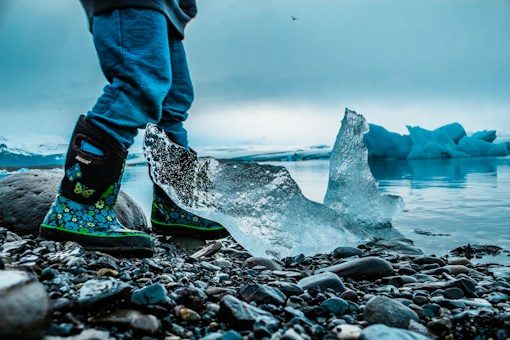
The best fishing boot for you depends on where you fish, how long you stay on the water, and how much room your feet need. Here are the main factors I would consider before ordering.
1. Check the Toe Box and Width
A roomy toe box is one of the most important features for wide feet. Your toes should have enough space to move naturally without pressing against the sides of the boot.
Do not rely only on the standard shoe size. Check the manufacturer’s width options and sizing chart whenever possible.
2. Consider the Fishing Environment
Think about where you normally fish. A tall rubber boot can make sense for muddy or very wet conditions, while a dedicated wading boot may be more appropriate for anglers who regularly walk through streams and rivers.
3. Look for Reliable Traction
Wet rocks, mud, boat decks, and riverbanks can all create slippery conditions. Look for an outsole designed for the surfaces you normally encounter.
- Deep tread: Useful for mud and loose ground.
- Rubber traction: Helpful on many wet outdoor surfaces.
- Studded or interchangeable soles: Can provide additional traction options in suitable environments.
4. Choose the Right Insulation
If you regularly fish during cold weather, insulation can make a major difference. However, heavily insulated boots can become uncomfortable in warmer conditions.
For warm-weather fishing, a lighter and more breathable boot may be a better match. For winter fishing, prioritize warmth along with fit and water protection.
5. Consider the Socks You Will Wear
Your socks can change how a fishing boot fits. Thick cold-weather socks take up considerably more space than lightweight moisture-wicking socks.
When possible, measure your feet while wearing the type of socks you expect to use during fishing. This can help you avoid buying a boot that feels comfortable indoors but becomes too tight on the water.
How to Measure Your Feet for Fishing Boots
If you have wide feet, measuring both length and width can make the buying process easier. Here is a simple method we recommend:
- Place a sheet of paper on a flat floor.
- Stand naturally on the paper.
- Trace around your foot or have someone help you.
- Measure from the back of the heel to the longest toe.
- Measure across the widest part of the foot.
- Repeat the process for the other foot.
- Compare the measurements with the manufacturer’s current sizing chart.
If one foot is slightly larger than the other, use the larger measurement when deciding on your size. A little extra room is generally preferable to a boot that presses against your toes.
How Should Fishing Boots Fit?
A properly fitting fishing boot should feel secure without squeezing your foot. Your heel should remain reasonably stable while walking, and your toes should not hit the front of the boot.
- Your toes should have enough room to move.
- The widest part of your foot should not feel compressed.
- Your heel should not slide excessively.
- The ankle should feel supported but not painfully tight.
- The boot should remain comfortable with your normal fishing socks.
Breaking In New Fishing Boots
Even a well-fitting pair of boots may feel stiff when new. I recommend wearing them for short periods before taking them on a full-day fishing trip.
Start with short walks and gradually increase the amount of time you wear them. Pay attention to any pressure points, heel movement, or rubbing. If the boot remains uncomfortable after several short sessions, changing the size or model may be better than trying to force a poor fit.
How to Care for Fishing Boots
Good maintenance can help extend the useful life of your fishing footwear. After fishing, remove mud, dirt, and debris before storing the boots.
- Rinse away dirt and mud after use.
- Allow the boots to dry completely before storage.
- Keep them in a cool, dry location.
- Inspect the outsole for excessive wear.
- Check seams, uppers, and closures for damage.
- Follow the manufacturer’s cleaning instructions for the specific material.
Rubber vs. Neoprene vs. Leather Fishing Boots
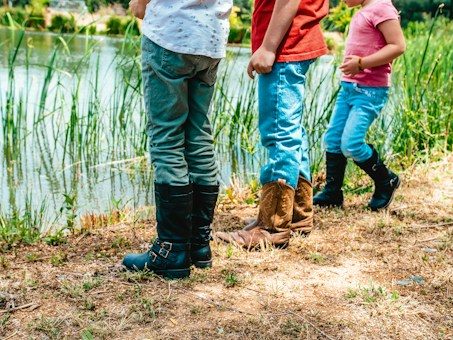
The material can have a noticeable effect on comfort, warmth, water protection, and durability.
| Material | Main Advantage | Best Use | Things to Consider |
|---|---|---|---|
| Rubber | Water protection and durability | Wet and muddy conditions | Can be heavier |
| Neoprene | Warmth and flexibility | Cold-weather fishing | May feel warm in hot weather |
| Leather/Synthetic | Support and flexibility | Wading and general outdoor use | Water protection varies by construction |
Waterproofing and Insulation: What Should You Choose?
Waterproofing is important if you regularly walk through wet grass, mud, shallow water, or rainy conditions. However, waterproofing and breathability often involve different design priorities.
For cold weather, insulation becomes more important. For warmer conditions, a lighter construction may help reduce heat buildup. Think about the conditions you actually fish in rather than choosing the most heavily protected boot available.
Final Thoughts on the Best Fishing Boots for Wide Feet
Choosing the best fishing boots for wide feet starts with fit. A boot with excellent traction and water protection is not very useful if it pinches your toes or becomes uncomfortable after a few hours.
When we compare fishing boots, we recommend looking at the complete package: width, toe-box room, traction, water protection, insulation, weight, and the type of fishing you do. If you fish in cold conditions, prioritize warmth. If you spend most of your time wading, focus on traction and a secure fit. For general wet-weather fishing, waterproof rubber or neoprene construction may be more practical.
Before buying, check the manufacturer’s current sizing information and make sure the boot will accommodate the socks or other fishing footwear you normally wear.
FAQs About Fishing Boots for Wide Feet
Are fishing boots good for people with wide feet?
Yes, many fishing boots have roomy designs or are available in wider sizes. The most important factors are the toe-box shape, actual width, and whether the boot remains comfortable with your normal fishing socks.
How do I know if fishing boots are wide enough?
Check the manufacturer’s width information and measure the widest part of your foot. When trying the boots on, your toes should have room to move and the sides of your foot should not feel compressed.
Should I buy fishing boots one size larger for wide feet?
Not necessarily. Increasing the length does not always provide the correct width. It is better to look for a boot with an appropriate width or roomy construction and compare your measurements with the manufacturer’s sizing chart.
Are neoprene fishing boots good for wide feet?
Neoprene can be comfortable because it is flexible, but the fit depends on the specific boot design. Check the available widths and overall foot shape before buying.
What socks should I wear with fishing boots?
Moisture-wicking fishing or outdoor socks are a practical choice. For cold-weather fishing, make sure your boots have enough room for thicker socks without compressing your feet.
How should I care for fishing boots after use?
Remove mud and debris, rinse the boots when appropriate, allow them to dry completely, and store them in a cool, dry place. Follow the manufacturer’s care instructions for the specific boot material.
More Fishing Gear Guides
- How to Choose the Right Fishing Boots for All Terrain
- How to Find Affordable Fishing Boats
- Best Fly Fishing Reels
Affiliate Disclosure: Some links in this article are affiliate links. If you purchase through one of these links, we may earn a commission at no additional cost to you. This helps support our work and allows us to continue publishing outdoor gear guides.