
As an Amazon Associate I earn from qualifying purchases.
Stepping into the great outdoors is exhilarating, but looking at a wall of tents, sleeping pads, and stoves can feel completely overwhelming. If you are new to the trails, buying the right backpacking gear for beginners doesn’t mean you need to mortgage your house or buy top-tier professional gear straight out of the gate.
Whether you are planning your very first overnight camp or a weekend trek into the backcountry, this comprehensive buying guide will walk you through everything you need to know to assemble your setup smartly.
1. Focus on the “Big Three” First
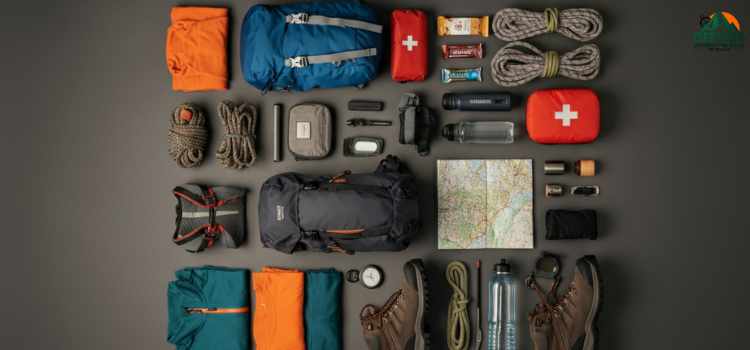
When you start shopping for backpacking gear for beginners, it is easy to get distracted by gadgets, multi-tools, and luxury camp items. However, your budget and pack weight should be primarily dedicated to the “Big Three”: The Backpack, The Shelter, and The Sleep System.
- The Backpack: Look for a pack with a 50L to 65L capacity for weekend trips. Ensure it has an adjustable torso length and a comfortable hip belt to transfer weight off your shoulders.
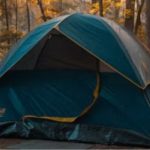
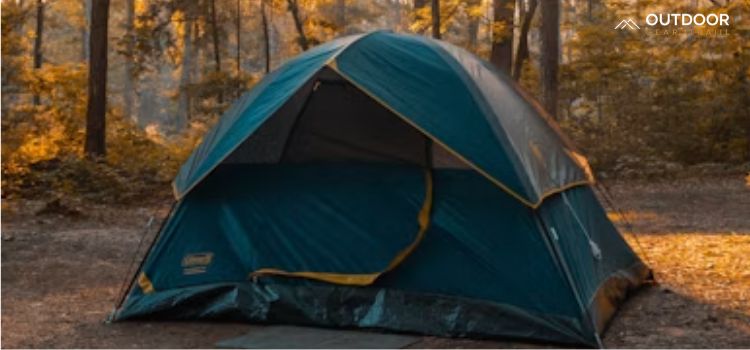
- The Shelter: Tents are standard for beginners. Double-wall tents provide a great balance of weather protection and condensation management. Look for freestanding models that are easy to pitch in the dark or wind.
- The Sleep System: This includes a sleeping bag (or quilt) and an insulating sleeping pad. Never skimp on your sleeping pad; its R-value measures how well it blocks the cold ground from sucking away your body heat.

2. Essential Gear Categories & What to Look For
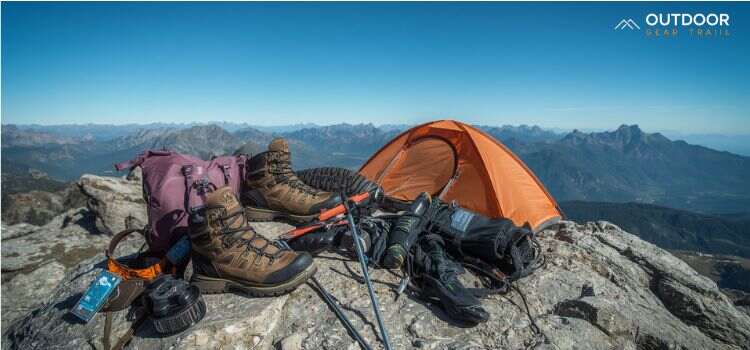
Choosing outdoor gear is easier when you start with the activity, conditions, and length of your trip. Beginners do not need the most expensive or highly specialized equipment; they need gear that fits properly, performs reliably, and suits the conditions they are likely to encounter. Use the categories below to identify what matters before comparing specific products.
Hiking Gear
Hiking gear should prioritize comfort, mobility, and basic safety. The right choices depend on trail difficulty, distance, weather, and terrain.
Look for:
- Hiking footwear: Check fit, traction, cushioning, and water resistance based on the terrain.
- Daypack: Choose a comfortable pack with enough capacity for water, food, clothing layers, and safety essentials.
- Clothing layers: Look for breathable, moisture-managing fabrics and layers that can adapt to changing weather.
- Trekking poles: Useful for steep, uneven, or slippery terrain and can reduce strain on longer hikes.
- Navigation: Carry a map or offline navigation option rather than depending entirely on cellular service.
- Safety essentials: A small first-aid kit, headlamp, whistle, sun protection, and emergency supplies can be valuable even on short hikes.
Camping Gear
Camping equipment should help you sleep comfortably, stay protected from the weather, and manage basic camp tasks. Beginners should choose equipment that is straightforward to set up and use.
Look for:
- Tent: Check capacity, weather protection, ventilation, packed size, and setup time.
- Sleeping bag or quilt: Match the temperature rating to the conditions you expect rather than choosing based only on appearance or price.
- Sleeping pad: Consider comfort, insulation, packed size, and durability.
- Camp stove: Choose a simple cooking system that matches the type and length of your trip.
- Lighting: A headlamp is generally more useful around camp than relying only on a handheld flashlight.
- Cookware: Lightweight, compact pots, cups, and utensils can reduce bulk in your pack.
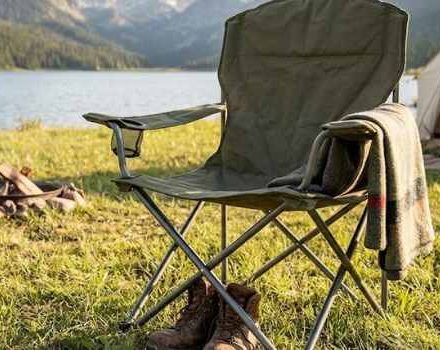
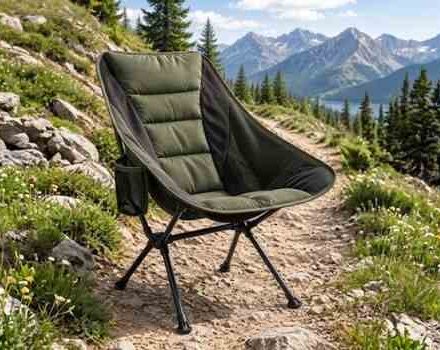
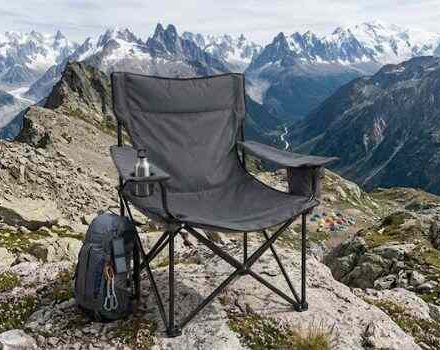
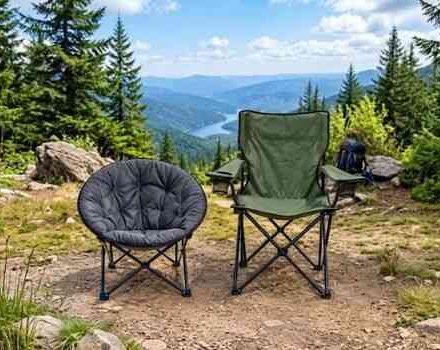
- Camp accessories: Consider items such as a water container, camp chair, repair supplies, and weather protection according to your campsite and trip style.
Backpacking Gear
Backpacking requires more attention to weight, capacity, durability, and versatility because you carry your equipment over longer distances.
Look for:
- Backpacking pack: Prioritize proper torso fit, comfortable hip support, useful compartments, and suitable capacity.
- Shelter: Compare packed weight, weather protection, interior space, and setup requirements.
- Sleeping system: Consider the combined weight and packed size of your sleeping bag or quilt and sleeping pad.
- Cooking system: Choose compact cookware and a stove that provide enough capacity for your meals.
- Water treatment: Filters, purification tablets, or other treatment methods should match the water sources on your route.
- Navigation and communication: Carry reliable navigation tools and an appropriate backup for remote trips.
- Clothing: Focus on layers that dry quickly, provide weather protection, and can be reused across changing conditions.
- Pack weight: Before leaving, review every item and ask whether it serves a genuine purpose. Small items add up quickly.
Biking Gear
Biking equipment depends on whether you are riding roads, trails, mountain routes, or longer bikepacking trips. Start with equipment that improves safety and control before adding specialized accessories.
Look for:
- Helmet: Choose a properly fitting helmet designed for your type of riding.
- Lights: Front and rear lights improve visibility when riding in low-light conditions.
- Cycling clothing: Look for comfortable, breathable clothing that allows unrestricted movement.
- Gloves: They can improve grip and comfort while helping protect your hands.
- Hydration: Choose bottles or a hydration system that is easy to access while riding.
- Repair kit: Carry essentials such as a pump, tire levers, spare tube or appropriate tubeless repair supplies, and a multitool.
- Bike storage: Saddlebags, frame bags, or handlebar bags can keep essentials accessible without overloading the bike.
- Compatibility: Check that accessories, racks, bags, lights, and other equipment are compatible with your specific bike.
Outdoor Tech & Apps
Outdoor technology can make trip planning and navigation easier, but beginners should understand that electronic devices can lose power, signal, or accuracy. Treat technology as a useful tool rather than your only source of navigation or emergency information.
Look for:
- Offline maps: Useful when hiking or riding in areas with limited or no cellular coverage.
- GPS devices and watches: Consider battery life, navigation features, durability, and ease of use.
- Weather apps: Check whether forecasts, alerts, and radar information are available for the areas you visit.
- Bike computers: Useful for tracking distance, speed, elevation, and route information.
- Power banks: Consider capacity, weight, charging speed, and compatibility with your devices.
- Satellite communicators: Worth considering for remote trips where cellular coverage may be unreliable or unavailable.
- Battery management: Check how long devices operate under real-world conditions and whether you can recharge them during your trip.
- Backup navigation: Carry a physical map or another appropriate backup when traveling into remote areas.
3. Pros and Cons of Buying Budget vs. Premium Gear
Budget gear can be appealing due to its lower price, but it often sacrifices durability and performance, which can lead to issues on the trail. Premium gear, while more expensive, typically offers better materials and construction, resulting in a longer lifespan and enhanced functionality. Consider your frequency of use when deciding; if you backpack often, investing in high-quality items may save you money in the long run. However, for occasional hikers, budget options can still provide a satisfactory experience without the hefty price tag. Ultimately, balance your choice based on your budget, experience level, and specific needs for each trip.
| Gear Tier | Pros | Cons |
|---|---|---|
| Budget / Entry-Level | • Easy on the wallet • Low commitment for beginners • Great for casual weekend car camping | • Heavier pack weight • Bulkier pack sizes • Less long-term durability |
| High-End / Ultralight | • Significantly lighter on your back • Packs down tiny • Exceptional weather resistance | • Extremely expensive • Requires delicate handling • Overkill for casual campers |
4. Smart Buying Strategies for Beginners
Before you buy out the entire outdoor store, keep these golden rules in mind:
- Rent or Borrow First: If you aren’t sure how often you’ll go camping, borrow a tent or rent a pack from a local outfitter.
- Weigh Your Options: Every ounce counts when it’s on your back. Check the packed weight of items before checking out.
- Avoid “Shiny New Object Syndrome”: You do not need the most expensive carbon-fiber trekking poles or titanium espresso maker on your first trip. Buy the core essentials and upgrade pieces modularly over time as you figure out your personal style.
Ready to hit the trail? Check out our top-recommended gear pick:
Check Price on AmazonConclusion
Assembling your first collection of hiking, camping, and backpacking gear is a journey of trial and error. Don’t stress about having the absolute lightest or most expensive setup on day one. Focus on getting comfortable, reliable essentials that keep you safe, warm, and dry. Once you log a few miles on the trail, your own experience will dictate what gear upgrades you actually need next.
Frequently Asked Questions
What is the most important piece of gear for a beginner backpacker?
Your sleep system and shelter are the most critical investments to keep you safe, warm, and dry outdoors.
How much should a beginner spend on camping and hiking gear?
You can start comfortably with budget-friendly entry-level gear without needing to buy expensive professional equipment right away.
Should I buy hiking boots or trail running shoes?
Choose hiking boots for heavy-load ankle support or lightweight trail runners for maximum agility and less foot fatigue.
How do I keep my pack weight down as a beginner?
Eliminate unnecessary “just in case” items, check individual gear weights, and share heavy group gear like tents with a partner.