
As an Amazon Associate I earn from qualifying purchases.
Unparalleled hiking describes a hiking experience that stands out because of its exceptional scenery, challenging terrain, solitude, wildlife, cultural significance, or sense of adventure. It does not necessarily mean the hardest or longest hike. Instead, it refers to a trail experience that feels unusually memorable and rewarding, answering the question of what is unparalleled hiking.
For some hikers, that might mean walking through an alpine landscape with dramatic mountain views. For others, it could be a quiet forest trail, a route through an area rich in history, or a demanding climb that provides a strong sense of accomplishment.
In this guide, we’ll explain what unparalleled hiking means, what makes a hike memorable, how to prepare for a challenging trail, where you can find exceptional hiking experiences, and how to enjoy the outdoors while minimizing your environmental impact.
Understanding what is unparalleled hiking allows hikers to seek out experiences that resonate deeply with their sense of adventure and connection to nature.

What Does Unparalleled Hiking Mean?
There is no universally recognized technical definition of “unparalleled hiking.” It is best understood as a descriptive term for a hiking experience that feels exceptional or difficult to compare with ordinary trail outings.
The experience can come from several factors working together: spectacular scenery, demanding terrain, wildlife, solitude, cultural or historical importance, changing weather, and the personal challenge of completing the route.
That is why an unparalleled hike does not have to be a famous destination. A relatively short trail can be just as memorable as a world-famous long-distance route if it provides a meaningful experience for the person hiking it.
If you are interested in the broader physical side of hiking, see our guide to the health benefits of hiking.
What Makes a Hiking Experience Unparalleled?
Several characteristics can turn an ordinary hike into an unforgettable outdoor experience. Not every trail will have all of them, but the strongest hiking experiences often combine several.
1. Breathtaking Landscapes
Scenery is one of the most obvious reasons a hiking experience becomes memorable. Dramatic mountains, deep valleys, waterfalls, coastlines, forests, deserts, and alpine environments can make a trail feel completely different from everyday surroundings.
However, beautiful scenery is not limited to famous viewpoints. Sometimes the most memorable moments happen unexpectedly—a sunrise through the trees, a distant mountain appearing around a bend, or a quiet overlook that you have all to yourself.
2. Challenging or Varied Terrain
A memorable hike may include steep climbs, rocky sections, uneven ground, river crossings, exposed ridges, or long stretches of elevation gain. The challenge should match your experience and physical ability.
Difficulty should never be treated as a competition. A technically difficult trail is not automatically better than an easy one. The right trail is one that provides an appropriate challenge without creating unnecessary risk.
Before choosing a demanding route, check its current trail conditions, elevation profile, weather forecast, distance, and any official warnings or restrictions.
3. Unique Plants and Wildlife
Hiking can provide opportunities to observe ecosystems that are difficult to experience from roads or developed areas. Depending on the location, hikers may encounter alpine plants, desert vegetation, birds, mammals, reptiles, or other wildlife.
Wildlife encounters should always be handled responsibly. Observe animals from a safe distance, never feed them, and follow local regulations about wildlife and food storage.
4. Solitude and Quiet
For many people, one of the greatest attractions of hiking is getting away from traffic, screens, and crowded urban environments. A quieter trail can provide time to think, observe nature, and enjoy a slower pace.
Remember, however, that remote trails require additional preparation. Fewer people around you can mean fewer opportunities to get immediate assistance if something goes wrong.
5. Seasonal Changes
The same trail can provide completely different experiences throughout the year. Spring may bring wildflowers, summer can offer longer daylight hours, autumn can transform forests with changing foliage, and winter can introduce snow and ice.
Seasonal conditions can also dramatically change difficulty. A route that is straightforward in dry weather may become hazardous because of snow, ice, flooding, extreme heat, or storms.
Always research seasonal conditions before setting out and carry equipment appropriate for the environment.
6. Historical and Cultural Significance
Some trails are memorable because they connect hikers with history and culture. Routes may pass ancient ruins, historic settlements, traditional landscapes, or paths used by communities for generations.
When hiking in culturally significant areas, learn the local rules and treat archaeological sites, sacred places, buildings, and artifacts with respect. Never remove objects or damage historical features.
7. A Genuine Sense of Achievement
Completing a hike that required careful preparation can create a strong sense of accomplishment. The reward does not have to come from reaching a famous summit. It might simply be completing a distance, managing a steep climb, learning navigation skills, or successfully handling changing conditions.
The most valuable achievement is returning safely with greater confidence and respect for the environment.
Some of the World’s Most Memorable Hiking Destinations
There is no single list of the “best” unparalleled hikes because hiking preferences vary widely. Some hikers prefer long-distance routes, while others prioritize mountains, history, wildlife, or solitude.
Several destinations, however, are particularly well known for combining impressive landscapes with distinctive hiking experiences.

Inca Trail and the Andes, Peru
The Andes offer a combination of high-altitude scenery, dramatic mountain terrain, and cultural history. The Inca Trail is especially well known for its connection to Machu Picchu and its archaeological significance.
Hikers should remember that high-altitude trekking requires appropriate preparation. Weather, altitude, trail regulations, and permit requirements can affect the experience, so current official information should be checked before planning a trip.
Appalachian Trail, United States
The Appalachian Trail extends roughly 2,190 miles from Georgia to Maine and passes through a wide variety of landscapes. It is one of the best-known long-distance hiking routes in the United States.
Rather than viewing the trail only as one enormous journey, hikers can experience individual sections according to their time, skills, and goals. Mountain terrain, forests, changing weather, and long stretches of trail make preparation particularly important for multi-day trips.
Mount Kilimanjaro, Tanzania
Mount Kilimanjaro is famous for its high summit and the ecological zones found along its routes. A climb involves significant elevation gain and should be approached as a serious trekking objective rather than an ordinary day hike.
Route selection, acclimatization, weather, fitness, equipment, and qualified local support can all influence the safety and success of a Kilimanjaro trek.
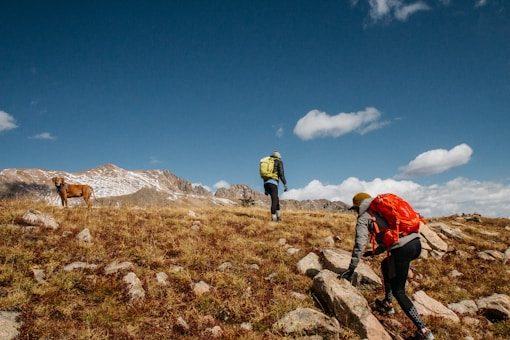
Ready for Your Next Hiking Adventure?
Explore more hiking tips, trail guides, and outdoor gear recommendations to help you prepare for your next unforgettable adventure.
🥾 Explore More Hiking Guides →How to Plan an Unparalleled Hiking Trip
A great hiking experience begins before you reach the trailhead. Good preparation helps you enjoy the scenery while reducing avoidable risks.
Choose a Trail That Matches Your Ability
Start with your current fitness, hiking experience, navigation skills, and comfort with different terrain. Pay attention to distance, elevation gain, technical difficulty, exposure, water availability, and expected weather.
Do not choose a trail simply because it looks impressive in photographs. A route that exceeds your abilities can quickly turn an enjoyable adventure into a dangerous situation.
Check Weather and Trail Conditions
Weather can change quickly, particularly in mountainous and remote environments. Check a reliable forecast close to your departure time and look for official trail-condition updates or closures.
If conditions become unsafe, changing your route or postponing the hike is a better decision than trying to force the original plan.
Build Your Fitness Gradually
If your chosen trail involves significant distance or elevation gain, prepare with progressively longer walks and hikes. Include uphill training when appropriate and give yourself enough recovery time between harder sessions.
Mental preparation matters too. Know the route, understand the major challenges, and decide in advance what conditions would cause you to turn around.
Pack the Essentials
Your gear should reflect the distance, environment, season, and remoteness of the trail. Depending on the hike, essential items may include:
- Reliable hiking footwear
- Weather-appropriate clothing and extra layers
- Enough water and a method of treating additional water when necessary
- Food and high-energy snacks
- Navigation tools, such as a map and GPS device or phone
- Headlamp or flashlight
- First-aid supplies
- Sun protection
- Emergency communication equipment when appropriate
- Pack suitable for the length of the trip
For minor injuries and common trail emergencies, carrying a suitable waterproof first-aid kit can be useful.

Tell Someone About Your Plans
For remote or challenging hikes, let someone know where you are going, which route you plan to take, and when you expect to return. Where available, follow local recommendations for registration or trail permits.
For longer or more remote adventures, consider carrying an appropriate emergency communication device rather than relying exclusively on cellular service.
How to Make Your Hiking Experience More Memorable
An unparalleled hiking experience is not necessarily about covering the most miles or reaching the highest summit. You can make an ordinary trail more meaningful by slowing down and paying attention to the environment.
Learn About the Landscape
Before your hike, learn about the geology, plants, wildlife, history, and communities connected to the area. Understanding what you are seeing can make the landscape much more interesting.
Leave Time to Explore Responsibly
A rushed itinerary can turn a beautiful hike into a race against the clock. When possible, allow enough time for breaks, navigation, photographs, and unexpected delays.
Keep Safety Ahead of the Summit
A summit or viewpoint is never more important than your safety. Turn around when weather, fatigue, injuries, navigation problems, or other conditions make continuing unsafe.
Environmental Responsibility on the Trail
Exceptional hiking destinations are valuable precisely because their natural and cultural features need protection. Heavy recreational use can contribute to erosion, vegetation damage, wildlife disturbance, litter, and other environmental problems.
Hikers can help reduce their impact by following local regulations and practicing low-impact outdoor ethics.
Follow Leave No Trace Principles
Plan ahead, stay on durable surfaces, dispose of waste properly, leave natural and cultural objects where you find them, minimize campfire impacts where fires are permitted, respect wildlife, and be considerate of other visitors.
For more information about responsible hiking, explore our guide to essential hiking rules.
Respect Wildlife
Wild animals should be observed rather than approached. Give wildlife plenty of space, avoid feeding animals, secure food when required, and follow location-specific regulations.
Stay on Established Trails
Walking off-trail can damage vegetation and accelerate erosion, particularly in fragile environments. Unless the area specifically permits off-trail travel, remain on established routes.
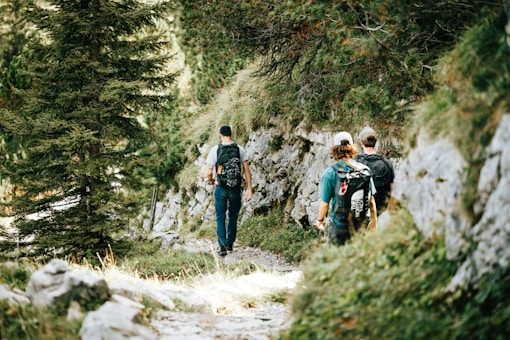
The Future of Hiking
Technology is already changing how hikers plan, navigate, communicate, and understand the outdoors. Some developments are likely to become increasingly important, although the pace of adoption will vary by location and activity.
Digital Navigation and Trail Information
GPS-enabled phones, dedicated navigation devices, offline maps, and trail apps can make route planning easier. However, electronic devices should complement rather than completely replace basic navigation skills, especially in remote areas.
More Sustainable Outdoor Recreation
As popular trails experience greater recreational pressure, trail managers and outdoor organizations are placing increasing emphasis on conservation, visitor management, restoration, and responsible recreation.
Hikers can contribute by following local restrictions and supporting organizations that maintain and protect trails.
Smarter Outdoor Gear
Wearable devices, satellite communication equipment, improved GPS systems, lighter materials, and more efficient outdoor equipment continue to develop. The most useful technology is technology that solves a genuine problem without encouraging hikers to become overdependent on devices.
More Accessible Trails
Accessible trail design and adaptive outdoor equipment can help more people experience nature. Depending on the location, this may include improved trail surfaces, accessible facilities, adaptive equipment, and better information about trail conditions.
Learn more about adaptive hiking gear and equipment.
Frequently Asked Questions About Unparalleled Hiking
What is unparalleled hiking?
Unparalleled hiking is a descriptive term for an exceptional or highly memorable hiking experience. It may involve spectacular scenery, challenging terrain, wildlife, solitude, cultural significance, or a strong personal sense of achievement.
Does unparalleled hiking mean a difficult hike?
Not necessarily. Difficulty is only one possible part of the experience. A moderate or easy trail can feel exceptional because of its scenery, wildlife, history, solitude, or personal significance.
What are some destinations known for exceptional hiking?
Well-known examples include the Andes and Inca Trail region of Peru, the Appalachian Trail in the United States, and Mount Kilimanjaro in Tanzania. The best destination depends on your experience, fitness, interests, budget, and preferred environment.
How should I prepare for an unparalleled hiking trip?
Choose a route appropriate for your abilities, research current trail and weather conditions, train progressively, carry adequate food and water, use appropriate navigation tools, pack essential safety equipment, and tell someone about your plans when hiking remotely.
Can hiking harm the environment?
Yes. Concentrated hiking activity can contribute to erosion, vegetation damage, litter, wildlife disturbance, and other impacts. Staying on designated trails, managing waste properly, respecting wildlife, and following local regulations can help reduce those impacts.
What should I do if conditions become unsafe?
Turn around or change your plan when weather, fatigue, injury, navigation problems, or trail conditions create unacceptable risk. A successful hike is one where you return safely—not necessarily one where you reach the planned destination.
Final Thoughts
Unparalleled hiking is less about finding the “perfect” trail and more about having an outdoor experience that genuinely stands out. A spectacular mountain route, a quiet forest walk, a historic trail, or a demanding summit can all become unforgettable for different reasons.
The key is to choose an adventure that matches your abilities, prepare for the conditions, respect the environment, and remain flexible when circumstances change.
Whether you are planning your first challenging hike or your next major adventure, the best trail is one that allows you to explore confidently while returning home safely.
Start Planning Your Next Hiking Adventure
Ready to get outside? Start by choosing a trail that matches your experience and preparing the right equipment. A dependable backpacking pack, suitable hiking footwear, navigation tools, water, food, and basic emergency supplies can make a major difference on the trail.
And before you leave, review local regulations, weather conditions, trail closures, and environmental guidelines. Your next unforgettable hiking experience starts with good preparation.