As an Amazon Associate I earn from qualifying purchases.
A good water bottle should be durable, easy to carry, simple to clean, and large enough to keep you hydrated without becoming a burden. For hiking, camping, travel, work, and everyday use, a stainless steel water bottle 1 litre offers a practical balance between capacity and portability.
Stainless steel is particularly popular for reusable bottles because it is durable, reusable, and available in both insulated and non-insulated designs. If temperature retention matters, a double-wall vacuum-insulated model can keep cold drinks cold and hot drinks hot for substantially longer than a single-wall bottle.
In this guide, we’ll look at what makes a stainless steel water bottle 1 litre worth buying, the features that matter most, how different materials compare, how to maintain your bottle, and five popular models worth considering.
Why Choose a Stainless Steel Water Bottle?
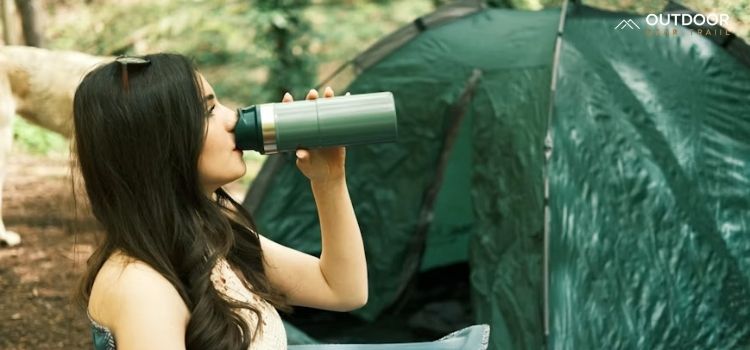
Stainless steel is one of the most practical materials for a reusable water bottle. Quality food-contact stainless steel is corrosion-resistant, durable, and designed for repeated use.
Many bottles use 18/8 stainless steel, also commonly referred to as 304 stainless steel. However, material grade is only one part of the buying decision. The lid, seals, insulation, finish, cleaning requirements, and overall construction can have just as much impact on everyday usability.
If you’re comparing options, you may also want to see our guide to stainless steel water bottles with filters.
Why Is 1 Litre a Useful Bottle Size?
A 1-litre bottle provides a useful middle ground. It holds considerably more water than many compact everyday bottles while remaining easier to carry than very large hydration containers.
For hiking and day trips, capacity should always be considered alongside your route, weather, access to refill points, and individual hydration needs. A 1-litre bottle is not automatically enough for a full day outdoors; longer or hotter outings may require additional water capacity.
The actual dimensions also matter. Two bottles with similar capacities can have very different diameters, heights, and weights, so check the manufacturer’s measurements before buying if you plan to carry the bottle in a backpack side pocket or vehicle cup holder.
🔥 Ready to Upgrade Your Outdoor Gear?
Check the latest price and availability on AliExpress before you buy.
🛒 CHECK PRICE & SHOP NOW →Prices and availability may change.
Benefits of a Stainless Steel Water Bottle
Durability
Stainless steel is generally more resistant to everyday wear than glass and can provide years of use when properly maintained. A dented bottle may still remain functional, although significant damage around the mouth, seams, or lid can affect usability.
Reusable Design
A reusable bottle can replace many single-use beverage containers over its service life. The environmental benefit depends on how long you use the bottle and how it is manufactured, transported, cleaned, and eventually recycled.
Temperature Retention
Double-wall vacuum insulation reduces heat transfer between the drink and the surrounding environment. This makes insulated stainless steel bottles particularly useful for keeping water cold during outdoor activities or carrying hot beverages during travel.
Temperature-retention claims vary by model and testing conditions, so treat manufacturer time ratings as model-specific rather than assuming every insulated bottle will perform identically.
Odor and Taste
Quality stainless steel generally does not absorb flavors in the same way that some plastics can. However, an unpleasant smell or taste can still develop from the lid, silicone gasket, residue, or inadequate cleaning.
Ready to Upgrade Your Hydration?
Check the latest price, available sizes, colors, and customer reviews on Amazon.
🛒 Check Price on Amazon →As an Amazon Associate, we may earn from qualifying purchases.
5 Popular 1-Litre Stainless Steel Water Bottles
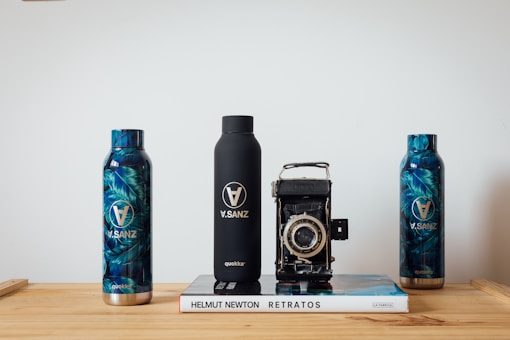
The following models represent different priorities, including outdoor durability, insulation, capacity, and everyday convenience. Specifications can change between product generations, so check the manufacturer’s current listing before purchasing.
- Hydro Flask 32 oz Wide Mouth
A strong choice for people who want a compact insulated bottle for everyday use, hiking, and travel. Its approximately 946 ml capacity is close to 1 litre without actually reaching a full litre.
Best for: Everyday outdoor use and temperature retention.
- YETI Rambler 36 oz Bottle
The 36 oz Rambler provides slightly more than 1 litre of capacity and is designed around YETI’s rugged, heavily insulated bottle construction. It can be a good option when durability and insulation are more important than minimizing weight.
Best for: Rugged outdoor use and users who prefer a larger bottle.
- Klean Kanteen Insulated Classic 32 oz
Klean Kanteen’s insulated bottles combine stainless steel construction with vacuum insulation. The 32 oz size is approximately 946 ml, making it another near-1-litre option.
Best for: Everyday hydration and users who prioritize reusable, durable products.
- S’well 34 oz Bottle
A 34 oz bottle provides approximately 1 litre of capacity while offering an emphasis on appearance and everyday portability. Its insulated construction makes it suitable for work, commuting, travel, and casual outdoor use.
Best for: Users who want a balance between appearance and insulation.
- Thermos Stainless King 40 oz Bottle
The 40 oz capacity is substantially larger than 1 litre, making this option better suited to users who want extra water capacity rather than a strict 1-litre bottle.
Best for: Longer outings and users who prefer carrying more water in one container.
Looking for a durable insulated stainless steel bottle?
View on Amazon →
Quick Comparison of the Top Bottles
| Model | Approx. Capacity | Insulated | Best For |
|---|---|---|---|
| Hydro Flask 32 oz | 946 ml | Yes | Everyday outdoor use |
| YETI Rambler 36 oz | 1,065 ml | Yes | Rugged outdoor use |
| Klean Kanteen 32 oz | 946 ml | Yes | Everyday hydration |
| S’well 34 oz | 1,005 ml | Yes | Style and commuting |
| Thermos Stainless King 40 oz | 1,182 ml | Yes | Extra capacity |
Important: “1 litre” is often used loosely when comparing bottle sizes. A 32 oz bottle is about 946 ml, while 34 oz is approximately 1,005 ml. If exact capacity matters to you, check the manufacturer’s specification rather than relying on the product name.
“`htmlFind Your Perfect 1-Litre Water Bottle
Compare today’s availability, pricing, sizes, and customer reviews before you buy.
🛒 Check Latest Price on Amazon →Key Features to Look for in a 1-Litre Stainless Steel Bottle
1. Stainless Steel Grade
Look for clearly stated food-contact materials. 18/8 or 304 stainless steel is commonly used in quality reusable bottles. A reputable manufacturer should provide clear information about the materials used in the bottle and lid.
2. Insulation
If you regularly carry cold or hot drinks, choose a double-wall vacuum-insulated bottle. Single-wall bottles are generally lighter and can be useful when temperature retention is not important.
3. Lid and Seal Design
The lid can make or break the ownership experience. Look for a secure seal, durable gasket, and a design that is easy to clean. Straw lids, chug caps, screw tops, and wide-mouth designs each have different advantages.
For backpacking, also consider whether the lid can be operated easily while wearing gloves and whether it is practical to open while walking.
4. Bottle Opening
A wide mouth makes it easier to add ice and clean the interior with a suitable brush. A narrower opening can make drinking more convenient for some users and may reduce splashing.
5. Weight and Dimensions
For hiking and backpacking, every additional ounce matters. An insulated stainless steel bottle will normally weigh more than a comparable plastic bottle, so compare empty weight as well as capacity.
6. Compatibility With Your Bag
Before buying, measure your backpack’s bottle pocket or cup holder. A bottle can have an ideal capacity but still be inconvenient if its diameter is too large.
7. Cleaning Requirements
Check whether the bottle and lid are dishwasher safe. Even when the bottle body is dishwasher compatible, the manufacturer may recommend hand washing specific lids, coatings, or components.
Stainless Steel vs. Plastic vs. Glass vs. Aluminum
| Material | Main Advantage | Main Drawback | Best For |
|---|---|---|---|
| Stainless Steel | Durability and insulation options | Heavier than many plastics | Outdoor and everyday use |
| Plastic | Lightweight and inexpensive | Can scratch and retain odors depending on material | Budget-conscious users |
| Glass | Clean taste and easy visual inspection | Breakable and heavier | Home and office use |
| Aluminum | Lightweight | Usually requires an internal lining | Weight-conscious users |
Stainless Steel vs. Plastic
Plastic bottles are often lighter and cheaper, which can be useful for hiking and travel. Stainless steel generally offers greater resistance to everyday wear and is available in highly effective insulated designs.
It’s also important not to assume that every plastic bottle contains BPA. Many modern reusable bottles are specifically manufactured without BPA, so compare the actual material specification rather than judging the bottle solely by its material category.
Stainless Steel vs. Glass
Glass is popular with people who prefer a neutral-tasting container and want to see the contents. Its biggest disadvantage for outdoor use is fragility. Stainless steel is much more practical for activities where drops and impacts are likely.
Stainless Steel vs. Aluminum
Aluminum is lightweight, but many aluminum bottles use an internal lining to separate the beverage from the metal. Stainless steel is generally the simpler choice when you want a durable, reusable bottle without relying on an internal beverage-contact coating.
How to Choose the Right Bottle for Your Activity
For Hiking
Prioritize weight, durability, pack compatibility, and leak resistance. If you hike in warm conditions, insulation can be worthwhile, but remember that insulated bottles are usually heavier.
For Camping
A larger insulated bottle can be useful around camp when you want cold water available for longer periods. If weight is less important, durability and insulation may take priority.
For Travel
Choose a bottle that fits your backpack or luggage and has a secure lid. A manageable diameter can be more important than having the largest possible capacity.
For Work and Everyday Use
Consider appearance, cleaning convenience, cup-holder compatibility, and how easily you can drink from the bottle throughout the day.
How to Clean and Maintain a Stainless Steel Water Bottle
Clean It Regularly
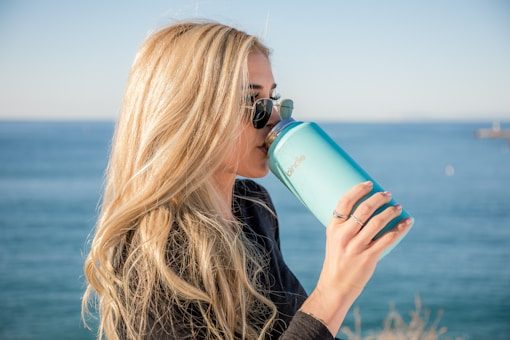
Wash the bottle after regular use with warm water and dish soap. Pay particular attention to the lid, drinking opening, and silicone gasket because these areas can collect residue.
Use a Bottle Brush
A suitable bottle brush makes it easier to clean the interior, especially with narrow-neck bottles. Clean removable lid components separately whenever the manufacturer allows it.
Remove Persistent Odors
For lingering odors, use a bottle-cleaning method recommended by the manufacturer. A mild baking-soda solution can help with some odors, but avoid mixing household cleaning ingredients indiscriminately.
Follow the Manufacturer’s Dishwasher Instructions
Do not automatically assume every stainless steel bottle is dishwasher safe. Some manufacturers recommend hand washing because high heat or detergents may affect the finish, insulation, paint, or lid components.
Dry the Bottle Thoroughly
After washing, leave the bottle and lid open to dry completely. This is particularly important for the gasket and other areas where moisture can remain trapped.

What About Customizing a Stainless Steel Bottle?
Customization can make a reusable bottle easier to identify and more personal.
Engraving
Some manufacturers and third-party services offer engraving. This can be useful if you frequently take your bottle to work, school, the gym, or group outdoor activities.
Stickers and Decals
Stickers provide an inexpensive way to personalize a bottle. Use products designed for the bottle’s surface and keep stickers away from sealing surfaces and drinking openings.
Color and Finish
Powder-coated and painted finishes are available in many colors. When choosing a finish, consider not only appearance but also how easily it may show scratches from outdoor use.
Pros and Cons of 1-Litre Stainless Steel Water Bottles
| Pros | Cons |
|---|---|
| + Durable and reusable | – Heavier than many plastic bottles |
| + Excellent insulation options | – Quality models can cost more |
| + Suitable for outdoor use | – Dents and scratches can occur |
| + Available in many lid designs | – Some lids require more cleaning |
| + Long service life with proper care | – Some large models may not fit cup holders |
Frequently Asked Questions
Are stainless steel water bottles safe?
Quality stainless steel bottles manufactured for food and beverage contact are widely used for drinking water and other beverages. Look for a reputable manufacturer that clearly identifies the materials used in the bottle and lid.
How long does a stainless steel bottle keep water cold?
It depends on the bottle’s construction. Double-wall vacuum-insulated models generally retain temperature much better than single-wall bottles. Manufacturer claims vary, so compare the specific model rather than assuming a universal performance time.
Can I put hot drinks in a stainless steel bottle?
Many insulated stainless steel bottles are designed for hot beverages, but you should always check the manufacturer’s instructions. Pay particular attention to lid design, pressure buildup, and recommended beverage temperatures.
Can stainless steel bottles go in the dishwasher?
Some can, while others should be hand washed. Check the manufacturer’s care instructions for the specific bottle and lid. Even when the bottle body is dishwasher safe, the lid or exterior finish may have different requirements.
Do stainless steel bottles affect the taste of water?
Quality stainless steel should generally provide a neutral drinking experience. If you notice an unusual taste, clean the bottle and lid thoroughly and check the manufacturer’s material information.
Is it safe to leave water in a stainless steel bottle overnight?
For plain drinking water, leaving it in a clean stainless steel bottle overnight is generally not a problem. However, regular cleaning is still important, particularly around the lid and gasket.
Do insulated stainless steel bottles sweat?
Well-insulated double-wall bottles are designed to minimize exterior condensation. However, condensation can still occur under certain environmental conditions or if the bottle’s insulation has been damaged.
How long does a stainless steel water bottle last?
There is no fixed lifespan. A quality bottle can remain usable for many years if the body, lid, seals, and insulation remain in good condition. Replace damaged components when the manufacturer provides replacements, and stop using a bottle if its structural integrity or food-contact surfaces become compromised.
Make Hydration Easier Every Day
If you’re looking for a reusable stainless steel bottle for hiking, camping, travel, or daily hydration, check out the current Amazon listing.
🛍️ See Today’s Amazon Price →As an Amazon Associate, we may earn from qualifying purchases.
Final Verdict: Is a 1-Litre Stainless Steel Bottle Worth It?
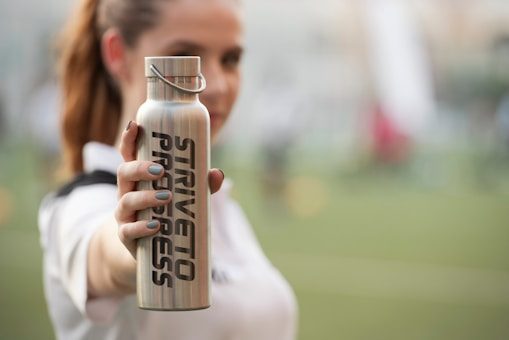
For many people, a 1-litre stainless steel water bottle is an excellent all-purpose option. It provides a useful amount of water without requiring the bulk of a very large container, while stainless steel offers durability and the option of excellent vacuum insulation.
The best choice depends on how you intend to use it. Hikers may prioritize weight and pack compatibility, commuters may care more about cup-holder fit and leak resistance, while campers may prefer stronger insulation and greater capacity.
Before buying, compare actual capacity, empty weight, dimensions, lid design, insulation performance, cleaning instructions, and warranty. These details will tell you much more about whether a bottle is right for you than the brand name alone.
For more hydration gear ideas, explore our guides to filtered water bottles and insulated travel water bottles.