As an Amazon Associate I earn from qualifying purchases.
Finding the best hiking shoes for wide feet can be frustrating. A shoe may have plenty of cushioning and excellent traction, yet still create pressure around the toes, midfoot, or little-toe area. The right pair should give your feet enough room to spread naturally while keeping your heel secure on climbs and descents.
After comparing popular hiking shoes and trail footwear for fit, cushioning, traction, stability, durability, and weather protection, we selected seven options worth considering if you need additional width or a more generous toe box.
Our list includes choices for extra-wide feet, natural toe splay, long-distance hiking, technical trails, waterproof hiking, and lightweight fast hiking. Because wide feet vary in both width and volume, we also explain what to look for before choosing your size.
Quick Answer: For hikers who need maximum toe freedom, the Altra Lone Peak 8 is a strong choice. If you prefer a traditional hiking shoe with a roomy fit, consider the Merrell Moab 3 Wide or KEEN Targhee III Wide. For technical terrain, the Salomon X Ultra 4 Wide offers a more secure and supportive design.
Quick Comparison: Best Hiking Shoes for Wide Feet
| Hiking Shoe | Best For | Wide-Foot Fit | Waterproof Option | Check Price |
|---|---|---|---|---|
| FitVille High-Top Trail | Extra-wide feet & comfort | Very roomy | Yes | Check Latest Price |
| Altra Lone Peak 8 | Natural toe splay | FootShape toe box | No | Check Latest Price |
| Merrell Moab 3 Wide | Value & durability | Generous | Available in waterproof versions | Check Latest Price |
| HOKA Speedgoat 5 Wide | Cushioning & long distances | Wide | Selected versions | Check Latest Price |
| KEEN Targhee III Wide | Roomy toe box & protection | Very roomy | Yes | Check Latest Price |
| Salomon X Ultra 4 Wide | Technical & steep trails | Wide version | GTX version available | Check Latest Price |
| Brooks Cascadia 17 Wide | Fast hiking & trail running | Wide | No | Check Latest Price |
Our Top 7 Hiking Shoes for Wide Feet
When selecting hiking shoes, prioritize features that accommodate your unique foot shape while ensuring comfort during long treks. It’s essential to try on shoes with the socks you intend to wear, as this can affect fit and performance. Look for options with adjustable lacing systems that allow for a customized fit across the midfoot and toe areas. Additionally, consider the outsole tread pattern to ensure optimal grip on varying surfaces. Finally, remember to break in new shoes gradually to avoid discomfort on the trails.

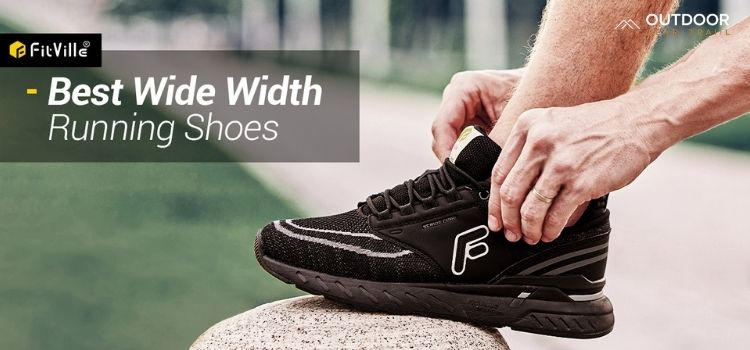
1. FitVille High-Top Trail — Best for Extra-Wide Feet
If conventional wide hiking shoes still feel restrictive, the FitVille High-Top Trail is worth considering. Its roomier construction is designed for people who need additional space around the forefoot and midfoot.
The extra room can be particularly useful for hikers who experience rubbing around the little toe or pressure along the sides of the foot. The higher-cut design also provides more coverage than a lightweight trail runner.
Why We Like It: The combination of a spacious fit, cushioning, and weather protection makes this an appealing option for hikers who prioritize comfort over a lightweight feel.
Best for: Hikers who need extra width and prioritize all-day comfort.
💰 Looking for a roomy hiking shoe?
👉 Check the Latest FitVille Price & Available Deals
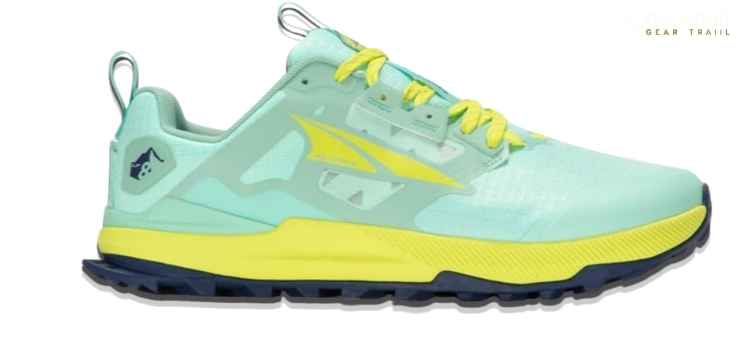
2. Altra Lone Peak 8 — Best for Natural Toe Splay
The Altra Lone Peak 8 is popular with hikers and trail runners who prefer a foot-shaped fit. Its FootShape design gives the toes more room to spread rather than squeezing them into a narrow, tapered toe box.
Its zero-drop platform also keeps the heel and forefoot at the same height, creating a different feel from conventional hiking shoes. This can work well for hikers who prefer a more natural-feeling platform, although people new to zero-drop footwear may want to transition gradually.
The breathable upper is particularly useful for warm-weather hikes and situations where quick drying is more important than waterproofing.
Best for: Hikers who want maximum toe freedom and a lightweight, natural-feeling shoe.
👉 Check the Latest Altra Lone Peak Price
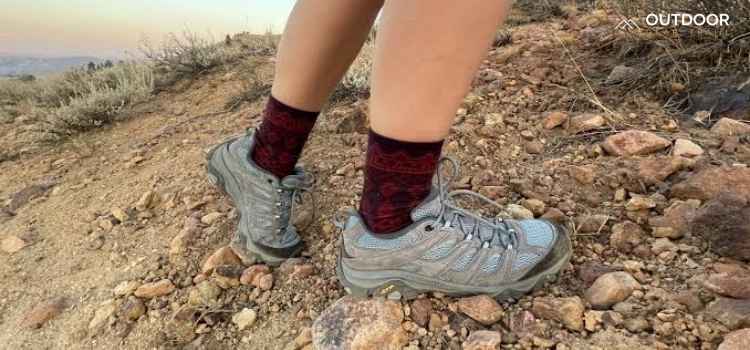
3. Merrell Moab 3 Wide — Best Value Hiking Shoe for Wide Feet
The Merrell Moab 3 Wide is one of the more traditional choices on this list. It combines a roomy fit with a durable upper, supportive footbed, and trail-focused outsole.
For hikers who don’t want to move completely into lightweight trail runners, the Moab 3 offers a familiar hiking-shoe design. The Wide version is especially useful if standard-width shoes feel restrictive across the forefoot.
Different Moab 3 versions are available, including options with waterproof construction, so check the specific model before buying.
Best for: Day hikers looking for a dependable, traditional hiking shoe at a reasonable price.
👉 Check the Latest Merrell Moab 3 Wide Price
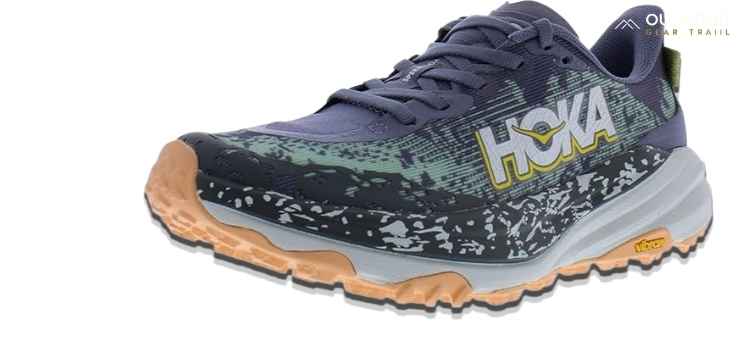
4. HOKA Speedgoat 5 Wide — Best Cushioned Option
If cushioning is your top priority, the HOKA Speedgoat 5 Wide is an attractive option for long-distance hiking and trail running. Its thick midsole helps reduce the harsh feel of rocky and uneven terrain while the wide version provides additional forefoot space compared with the standard fit.
The shoe is particularly appealing to hikers who spend many hours on their feet. Its combination of cushioning, aggressive traction, and relatively low weight makes it more versatile than many traditional hiking shoes.
However, hikers with very high-volume feet should pay attention to the midfoot fit. A shoe can have a wide toe box without providing enough overall volume.
Best for: Long-distance hikers who want cushioning without a heavy hiking boot.
👉 Check the Latest HOKA Speedgoat Price
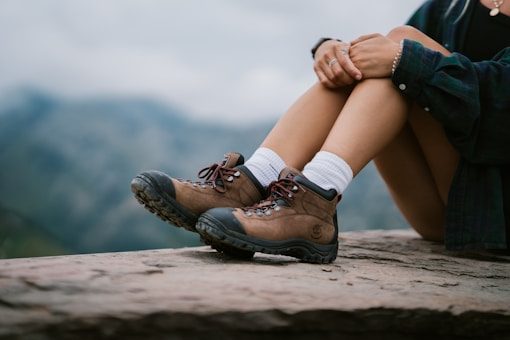
5. KEEN Targhee III Wide — Best for Protection and Roomy Toes
The KEEN Targhee III Wide is an excellent choice if you want a protective hiking shoe with a naturally spacious front section. KEEN is well known for its broad toe-box shape, making this model worth considering for hikers who dislike tapered footwear.
The protective toe area is useful on rocky trails where roots, stones, and uneven surfaces can easily strike the front of your shoes. Waterproof versions also make the Targhee a practical option for wet-weather hiking.
Best for: Hikers who want a roomy toe box, protection, and traditional hiking-shoe stability.
👉 Check the Latest KEEN Targhee III Wide Price
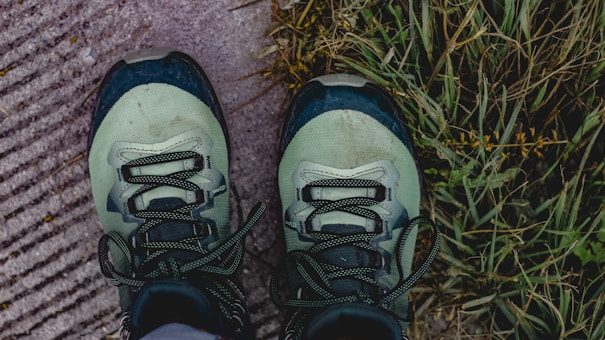
6. Salomon X Ultra 4 Wide — Best for Technical Trails
The Salomon X Ultra 4 Wide is designed for hikers who spend time on steep, uneven, and technically demanding trails. It combines a relatively agile feel with supportive construction, making it suitable for terrain where foot stability matters.
The Wide version provides additional room compared with the standard model, while the outsole is designed to handle a variety of trail surfaces. A GTX version is available for hikers who frequently encounter rain, wet grass, or shallow puddles.
Best for: Hikers who need a secure fit for steep and technical terrain.
👉 Check the Latest Salomon X Ultra 4 Wide Price
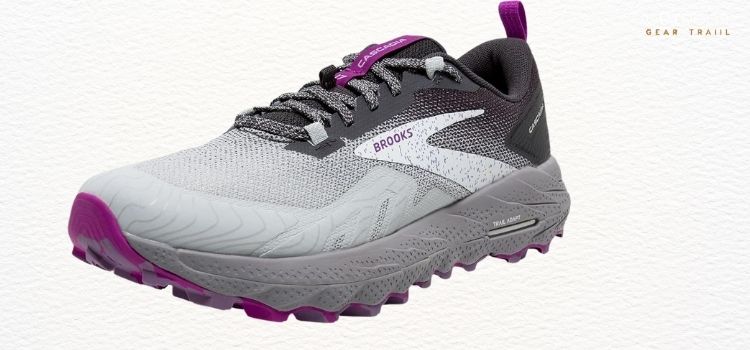
7. Brooks Cascadia 17 Wide — Best for Fast Hiking and Trail Running
The Brooks Cascadia 17 Wide is a good option for hikers who prefer the lightweight feel of a trail-running shoe. Rather than providing the structure of a traditional hiking shoe, it focuses on flexibility, cushioning, and trail stability.
The Wide version gives your forefoot more room while maintaining a relatively secure overall fit. This makes it a useful choice for fast hiking, day hikes, and mixed trail-running adventures.
Best for: Fast hikers and trail runners who want a lightweight wide shoe.
👉 Check the Latest Brooks Cascadia Wide Price
How to Choose the Best Hiking Shoes for Wide Feet
Buying wide hiking shoes isn’t simply about choosing a shoe labeled “Wide.” The shape of your foot, toe spacing, arch area, heel width, and overall foot volume all affect how a shoe will feel on the trail.
1. Look Beyond the “Wide” Label
A wide shoe typically provides more overall width, but different brands use different shapes. One company’s wide shoe may feel roomy while another may still feel narrow.
If your toes are the main problem, look for a wide or foot-shaped toe box. If your entire foot feels compressed, you may need additional midfoot volume as well.
2. Pay Attention to Toe Box Shape
Your toes should have enough room to spread naturally without pressing against each other. You should also have enough space in front of your longest toe to accommodate foot swelling and downhill movement.
Avoid shoes that squeeze your little toe or force your toes into a pointed position. That pressure can become much more noticeable after several miles.
3. Check Heel and Midfoot Security
A roomy shoe shouldn’t allow your heel to slide excessively. Ideally, the forefoot should have enough room while the heel and midfoot remain securely held.
This balance is particularly important on steep descents, where excessive movement can lead to hot spots, blisters, and bruised toenails.
4. Consider Your Hiking Terrain
- Easy trails: Lightweight hiking shoes or trail runners may be sufficient.
- Rocky trails: Look for stronger underfoot protection and durable outsoles.
- Muddy trails: Choose deeper lugs and a traction-focused outsole.
- Wet trails: Consider waterproof footwear if conditions are consistently cold and wet.
- Hot climates: Breathable mesh may be preferable to waterproof membranes.
5. Choose Cushioning Based on Your Hiking Style
Long-distance hikers often appreciate additional cushioning, while technical hikers may prefer a firmer, more stable connection with the ground.
There is no single “best” cushioning level for everyone. Your body weight, hiking distance, terrain, and personal preference all matter.
6. Get the Size Right
Don’t automatically go up half a size just because you have wide feet. Increasing length doesn’t always solve a width problem and can create excessive heel movement.
Instead, start with the correct length and look for the appropriate width or foot shape. Try shoes later in the day when your feet are naturally a little larger, and wear the socks you normally use for hiking.
Wide vs. Extra-Wide Hiking Shoes: What’s the Difference?
The terms Wide, Extra Wide, 2E, 4E, and similar labels describe different levels of shoe width, but sizing conventions vary between manufacturers.
A person with a wide forefoot may be comfortable in a conventional Wide model, while someone with a high-volume foot may need an Extra Wide option. Others may not need a wider shoe at all but instead benefit from a naturally shaped toe box.
That’s why the best approach is to consider width, toe-box shape, midfoot volume, and heel security together rather than relying on the width label alone.
How Should Hiking Shoes Fit Wide Feet?
A properly fitted hiking shoe should feel comfortable from the moment you put it on. Your toes shouldn’t touch the front, your little toe shouldn’t rub against the sidewall, and your heel shouldn’t lift excessively when walking uphill.
Before a long hike, walk around and test the shoes on stairs or an incline if possible. Pay particular attention to the downhill movement of your toes.
Pro Tip: Don’t judge a hiking shoe only by how it feels while standing still. Walk downhill and climb stairs. A shoe that feels perfect on flat ground may reveal heel slip or toe pressure once your feet move differently.
Are Trail Runners Better for Wide Feet?
Trail runners can be excellent for wide feet because many models use flexible uppers and offer wider or foot-shaped versions. They are also lighter than traditional hiking shoes, which can reduce fatigue during long days.
However, trail runners generally provide less protection than structured hiking shoes. If you’re carrying a heavy backpack, hiking over sharp rocks, or frequently traveling through rough terrain, a more supportive hiking shoe may be preferable.
The best choice depends on your terrain, pack weight, hiking distance, weather, and personal preference.
Waterproof vs. Breathable Hiking Shoes for Wide Feet
Waterproof hiking shoes can be useful during cold and consistently wet conditions, but waterproof membranes can also reduce breathability compared with open mesh footwear.
For hot summer hikes, a breathable non-waterproof shoe may dry faster after water crossings. For cold rain, wet grass, or prolonged damp conditions, waterproof footwear may provide better protection.
Think about the conditions you actually hike in rather than assuming waterproof is always better.
Frequently Asked Questions
What are the best hiking shoes for very wide feet?
Models designed in wide or extra-wide versions can be a good starting point. FitVille is worth considering for extra room, while KEEN and Altra are popular choices for hikers who want a spacious forefoot or naturally shaped toe box.
Which hiking shoe has the widest toe box?
There isn’t one universally widest hiking shoe because foot shape varies. Altra is well known for its FootShape toe box, while KEEN is also recognized for a roomy forefoot. The best option depends on whether you need toe width, overall shoe width, or additional foot volume.
Should wide feet buy wide hiking shoes?
Usually, yes, if a standard-width shoe causes pressure or rubbing. However, don’t choose a wider size solely based on the label. Compare the actual shape of the toe box, midfoot, and heel to your foot.
Should hiking shoes be bigger for wide feet?
Not necessarily. Going longer does not always make a shoe wider in the places where you need space. Start with the correct length and choose a suitable width or foot-shaped design.
Are Altra shoes good for wide feet?
Altra shoes are popular among hikers with wide forefeet because their FootShape toe box allows the toes to spread naturally. However, the zero-drop platform and overall fit are different from conventional hiking shoes, so new users may need an adjustment period.
Are KEEN hiking shoes good for wide feet?
KEEN hiking shoes are often a good choice for people who want a roomy toe area. Models such as the Targhee are particularly appealing if you want additional forefoot space combined with traditional hiking-shoe protection.
How much room should I have in hiking shoes?
You should have enough room for your toes to move without touching the front of the shoe. Your heel should remain secure, and your toes shouldn’t slide forward significantly when walking downhill.
Can wide hiking shoes prevent blisters?
A properly fitted shoe can reduce friction and pressure points, which may help reduce the risk of blisters. However, blisters can also result from moisture, socks, walking technique, and prolonged friction, so footwear alone cannot guarantee blister prevention.
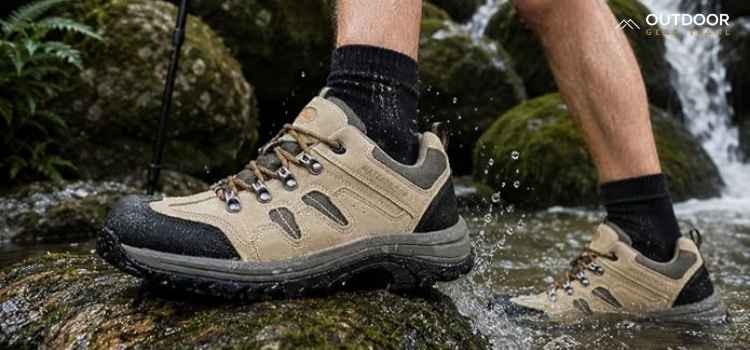
Final Verdict: Which Hiking Shoes Are Best for Wide Feet?
The best hiking shoes for wide feet depend on how your feet are shaped and where you hike. If natural toe splay is your priority, the Altra Lone Peak is a compelling choice. For a traditional hiking shoe with a roomy fit, the Merrell Moab 3 Wide and KEEN Targhee III Wide are strong options.
Hikers who prioritize cushioning may prefer the HOKA Speedgoat Wide, while those tackling steep and technical trails may appreciate the secure feel of the Salomon X Ultra 4 Wide. For fast hiking, the Brooks Cascadia Wide offers a lighter trail-running approach.
Ultimately, don’t choose a shoe simply because it says “Wide.” Focus on toe-box space, midfoot volume, heel security, cushioning, traction, and the type of terrain you regularly hike. The right combination can make a significant difference in comfort over a full day on the trail.
🥾 Ready to Find Your Best Wide Hiking Shoe?
Compare today’s prices, available sizes, and wide-fit options before your next adventure.
👉 Check Today’s Best Hiking Shoe Deals
Disclosure: This article may contain affiliate links. If you purchase through our links, we may earn a commission at no additional cost to you. Product availability, sizing, features, and prices can change, so check the retailer’s current listing before purchasing.