As an Amazon Associate I earn from qualifying purchases.
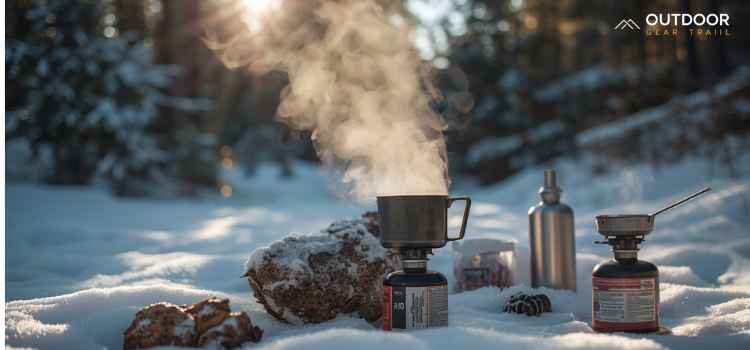
If you’ve ever tried boiling water on a freezing winter morning, you know the frustration: your canister stove starts with a strong flame, but within a minute, it sputters down to a weak trickle. Many hikers assume their fuel canister is empty, but the real issue is pressure loss caused by sub-freezing temperatures. In this winter camping guide, we break down why gas canisters fail in the cold and the exact field-tested techniques to keep your stove burning hot all winter long, especially with Canister Stoves in Cold Weather.
❄️ Winter Testing Methodology
We tested standard Isobutane/Propane canisters across overnight winter trips in temperatures ranging from 15°F to 30°F (-9°C to -1°C). We evaluated standard canister stoves against micro-regulated models and inverted liquid-feed systems to determine the most reliable cold-weather setups.
Why Gas Canister Stoves Fail in Freezing Cold
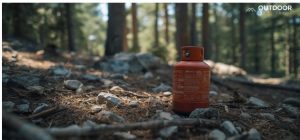
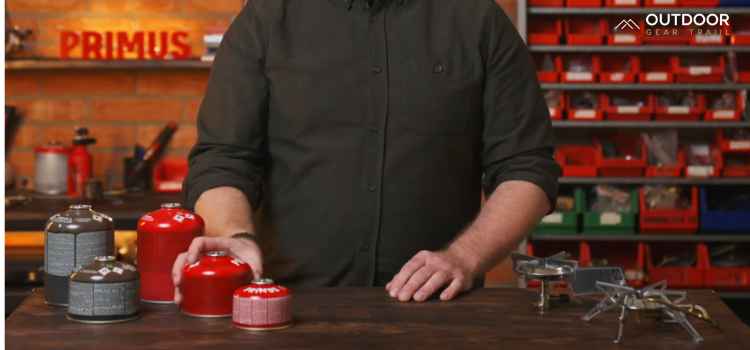
Inside an isobutane fuel canister, liquid fuel must vaporize into a gas before it can pass through the stove valve and light. This process requires heat and internal canister pressure. As temperatures drop toward freezing, two distinct problems occur:
- Vapor Pressure Loss: Gas molecules slow down in the cold, drastically dropping internal pressure. Below 11°F (-11°C), standard n-butane stops vaporizing completely, while isobutane struggles below 11°F and propane vaporizes down to -44°F.
- TheCanister Chill Effect: As your stove draws gas out, the depressurization process cools the canister from the inside out (evaporative cooling). A canister that started at 32°F can drop well below freezing while running, chilling itself into failure.
Comparison: Fuel Performance at Cold Temperatures
| Fuel Type Blend | Vapor Boiling Point | Cold Weather Suitability | Recommended Use |
| Standard Butane | 31°F (0°C) | Poor (Warm Weather Only) | Summer Car Camping |
| Isobutane / Propane Blend (80/20) | 11°F (-11°C) | Moderate (Down to 20°F with tricks) | 3-Season & Mild Winter Trail Trips |
| Liquid Fuel (White Gas / Kerosene) | N/A (Liquid Primed) | Excellent (Below 0°F / -18°C) | Extreme Expedition & Alpine Winter |
View more reviews on our store
5 Proven Ways to Keep Canister Stoves Working in Winter
1. Sleep with Your Fuel Canister
The simplest and most effective hack for winter backpackers: keep your canister inside your sleeping bag or jacket pocket overnight. Starting with a 60°F warm canister gives your stove enough initial pressure to boil water quickly before atmospheric cold takes over.
2. Use an Insulated Base (Never Place directly on Snow)
Placing a metal canister directly onto snow or frozen ground acts as a heat sink, rapidly pulling away warmth and freezing the bottom of the canister. Always set your canister on a piece of closed-cell foam, a foam sitting pad, or a small square of plywood.
Field Note: In our 20°F ridge test, elevated canisters sitting on a 1/2-inch piece of foam insulation maintained steady boil times over 2 minutes faster than identical canisters resting directly on packed snow.
3. The Warm Water Bath Trick
Another effective method is to create a warm water bath for your canister. Fill a pot with warm water and submerge the canister for a few minutes before use. This technique helps maintain pressure and ensures quick ignition of the stove. Additionally, consider using a windscreen to protect your flame from gusts, which can significantly impact cooking efficiency. Lastly, always check the weather before heading out, as extreme cold can require additional preparations for effective cooking.
4. Use a Stove with a Built-in Micro-Regulator
Standard stoves open a simple valve that relies on raw canister pressure. Micro-regulated stoves (like the Soto WindMaster or MSR PocketRocket Deluxe) regulate gas velocity using an internal pressure diaphragm, maintaining consistent output even as internal pressure drops in freezing weather.
5. Consider an Inverted Canister Stove Setup
Remote canister stoves equipped with a generator tube allow you to flip the canister upside down after lighting. Inverting feeds liquid fuel directly to the burner, where the generator tube warms it into gas before ignition. This bypasses cold-weather vaporization issues entirely.
For more detailed stove selections and setup guides, check out our master Ultimate Camp Stove Guide.
Frequently Asked Questions
1. Can a gas canister explode if it gets too cold?
No. Cold temperatures decrease pressure inside the canister, making it less active. Over-pressurization risks only occur from extreme high heat, direct flames, or placing canisters on hot camp surfaces.
2. At what temperature do canister stoves stop working completely?
Standard isobutane canister stoves start losing efficiency rapidly below 32°F (0°C) and generally fail to operate below 11°F (-11°C) without artificial warming hacks.
3. Is liquid white gas better than canister fuel for winter camping?
Yes. Liquid fuel stoves (like the MSR WhisperLite) use manual hand pumps to build mechanical pressure, allowing them to burn hot in sub-zero alpine conditions where gas canisters freeze up.