
As an Amazon Associate I earn from qualifying purchases.
Confused between EcoFlow, Jackery, and Anker? As we move through 2026, the gap between these giants has narrowed. However, their personalities remain distinct. Choosing the right brand depends entirely on your specific power needs. Whether you need to power a full-sized refrigerator during a blackout or just keep your laptop alive at a campsite, this article will explore the EcoFlow vs Jackery vs Anker comparison to help you decide. Understanding the EcoFlow vs Jackery vs Anker debate is vital for making an informed decision. We will highlight real-world scenarios to illustrate their capabilities.
In the discussion of EcoFlow vs Jackery vs Anker, it’s essential to evaluate how each brand meets your unique power needs. This will help clarify which option is best suited for you and your requirements in the EcoFlow vs Jackery vs Anker landscape.
Comparison at a Glance (1kWh – 2kWh Class)
Detailed Comparisons of Use Cases
As we analyze the EcoFlow vs Jackery vs Anker options, consider how their features align with your requirements. Each brand has distinct advantages that cater to different user preferences, particularly in the EcoFlow vs Jackery vs Anker context.
Understanding the EcoFlow vs Jackery vs Anker capabilities can significantly impact your choice, especially when you need reliable power in various situations and scenarios comparing EcoFlow vs Jackery vs Anker.
When considering which power station is best for you, think about specific use cases. For instance, if you are an outdoor enthusiast who frequently camps, the weight and portability of a power station become crucial. In contrast, if you are searching for a home backup solution, capacity, and the ability to support major appliances will be more relevant. Let’s break down specific scenarios for each of these brands.
For example, EcoFlow’s Delta 3 Plus shines in home backup situations where speed is of the essence. Imagine being in a storm and having your power cut off—this unit can power sensitive electronics swiftly due to its UPS capabilities, which prevent disruptions.
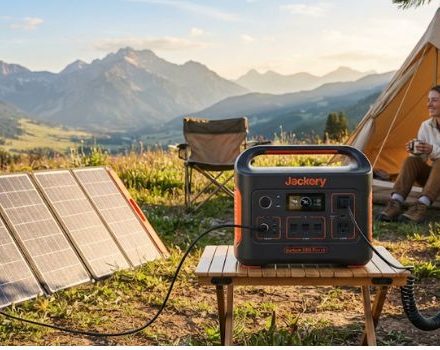
On the other hand, Jackery’s Explorer 2000 v2 has made a name for itself among campers and van-lifers for its usability with solar panels, allowing users to harness renewable energy while on the go. Anker, with its Solix C1000, appeals to those who prioritize longevity and reliability over sheer output, making it a great fit for daily use.
The debate around EcoFlow vs Jackery vs Anker continues to shape consumer preferences, with many leaning towards the brand that best fits their lifestyle needs.

In the realm of outdoor power solutions, the EcoFlow vs Jackery vs Anker comparison becomes critical for enthusiasts looking for durable options.
For anyone considering the best fit for their needs, the EcoFlow vs Jackery vs Anker discussion will highlight key differences that matter in real-world scenarios.
EcoFlow: Best for Fast Charging
The EcoFlow vs Jackery vs Anker debate showcases how different approaches to power solutions can meet varying user demands.
EcoFlow has consistently set benchmarks with its rapid charging capabilities. The Delta 3 Plus, for instance, can go from 0-100% in just about an hour, making it incredibly convenient for those who need power on demand. Let’s say you have a busy weekend planned with friends out in nature. With EcoFlow’s technology, you can quickly recharge your unit after a day of use, ensuring you have full power for the next day’s adventures.
Reviewing the EcoFlow vs Jackery vs Anker features will undoubtedly guide your decision-making process effectively.
The insights gathered from the EcoFlow vs Jackery vs Anker user testimonials can provide a deeper understanding of real-life applications.
Exploring preferences in the EcoFlow vs Jackery vs Anker landscape will help potential buyers determine the best unit for their situation.
The ongoing evolution of the EcoFlow vs Jackery vs Anker brands reflects changes in technology and consumer expectations.
When choosing a power station, the EcoFlow vs Jackery vs Anker factors should be carefully weighed for optimal performance.
Understanding the differences highlighted in the EcoFlow vs Jackery vs Anker overview can streamline your purchasing process.
“Ready to take your off-grid setup to the next level? Experience the freedom of near-instant charging and rugged, long-lasting power. Click below to see why the DELTA 3 Plus is the go-to choice for adventurers this season. [View EcoFlow DELTA 3 Plus Deals]”

Jackery: The Rugged Outdoor Choice
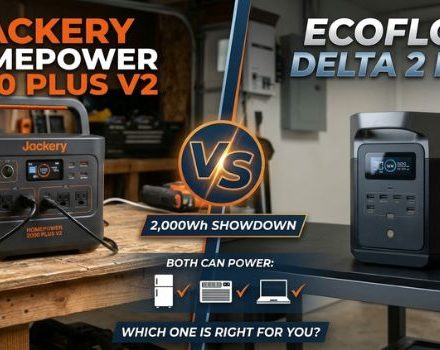
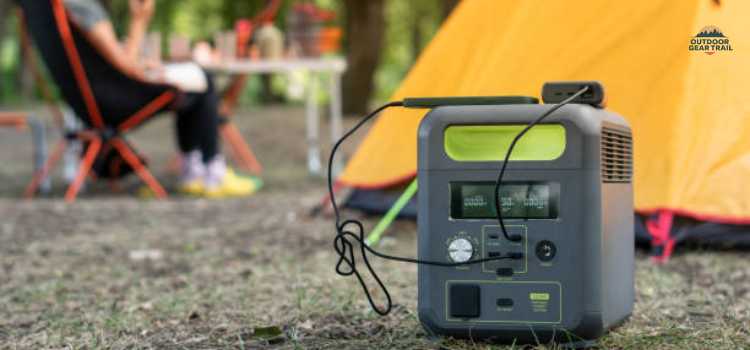
Jackery has long been the “North Face” of the power station world—reliable, iconic, and built for life in the dirt. While other brands chase complex software, Jackery focuses on what actually matters when you’re miles from the nearest outlet: durability and simplicity. In 2026, the standout is the Explorer 1500 Ultra, their most rugged unit yet, featuring an IP65 all-weather rating that laughs off rain and dust, and a shock-resistant frame designed to survive the inevitable bumps of a truck tailgate.
Anker: Built for Longevity
Anker’s emphasis on durability is evident in its Solix series. This unit is designed to last, with a lifespan that’s touted to reach up to 10 years. For families who wish to invest in a power solution that will endure through countless camping trips or emergencies, Anker’s long-term reliability offers peace of mind. Users have frequently shared stories of how their Anker units have performed through tough conditions while maintaining efficiency.
User Testimonials
Real-world experiences can offer insights beyond specifications and marketing hype. For instance, a user named Lisa frequently camps in the Rocky Mountains and shared how the Jackery Explorer 2000 v2 powered her electric stove and kept her devices charged for an entire weekend without needing to recharge. On the other hand, Tom, who lives in an area prone to power outages, swears by his EcoFlow Delta 3 Plus, particularly praising how quickly it kicks in during outages, allowing him to run vital devices like his refrigerator and medical equipment without interruption.
Jackery has positioned itself as the go-to option for outdoor enthusiasts. Its Explorer 2000 v2 is particularly noted for its durable build, making it resistant to the wear and tear of outdoor activities. Users have reported taking it on multiple camping trips without any signs of damage. Additionally, its lightweight design compared to competitors allows campers to carry it without feeling weighed down, which is a significant advantage for those who hike to remote locations.
The pricing models in the EcoFlow vs Jackery vs Anker comparison illustrate the value offered by each brand.
EcoFlow vs Jackery vs Anker Overview
Finally, the EcoFlow vs Jackery vs Anker pros and cons provide a balanced view to help potential buyers make informed choices.
| Feature | EcoFlow (Delta 3 Plus) | Jackery (Explorer 2000 v2) | Anker (Solix C1000 Gen 2) |
| Capacity | 1024Wh | 2042Wh | 1056Wh |
| AC Output | 1800W (2200W X-Boost) | 2200W (3000W Surge) | 1800W |
| Charging | 0-100% in ~60 mins | 0-80% in 66 mins | 0-100% in 58 mins |
| Battery Life | 4,000 Cycles (LFP) | 4,000 Cycles (LFP) | 4,000 Cycles (LFP) |
| Best For | Tech-heavy users & home backup | Rugged camping & portability | Longevity & fast emergency charging |
[amazon table=”10616″]
Comparison: EcoFlow Delta 3 Plus vs. Anker Solix C1000 Gen 2
| Feature | EcoFlow Delta 3 Plus | Anker Solix C1000 (Gen 2) |
| Capacity | 1024Wh | 1024Wh |
| AC Output | 1800W (2200W X-Boost) | 2000W (3000W Surge) |
| AC Charging Speed | 0-100% in 56 mins | 0-100% in 49 mins |
| Solar Input | 500W | 600W |
| Battery Life (LFP) | 4,000 Cycles to 80% | 4,000 Cycles to 80% |
| Weight | 12.5 kg (27.5 lbs) | 11.3 kg (24.9 lbs) |
| UPS Switchover | <10ms | <10ms |
| Expandable? | Yes (supports extra batteries) | No (Gen 2 lacks expansion port) |
| Operating Noise | Very quiet (optimized fan) | Moderate (can be noisy under load) |
Which Should You Choose?
- Choose the EcoFlow Delta 3 Plus if: You want a system that can grow with you. Its ability to link with extra battery packs makes it more versatile for home backup where you might need 2kWh or 3kWh of power later on. It also features a more sophisticated app for power management and a slightly quieter fan design.
- Choose the Anker Solix C1000 (Gen 2) if: You require the most power in the smallest, lightest package. It is 14% smaller than its predecessor and delivers a massive 2000W output, allowing it to run heavy-duty power tools or kitchen appliances that might trip the EcoFlow. Its “HyperFlash” tech also makes it the fastest-charging unit in this class.
Key Features and 2026 Innovations
- EcoFlow: Continues to lead in software integration and charging speed. The 2026 lineup, featuring the Delta 3 Plus, emphasizes 10ms UPS switchover times, making it the gold standard for protecting sensitive home electronics.
- Jackery Has reclaimed the “outdoor” crown by focusing on weight-to-power ratios. Their 2026 units use automotive-grade CTB (Cell-to-Body) technology, resulting in units that are roughly 30-40% smaller and lighter than the industry average.
- Anker: Known for the “InfiniPower” 10-year lifespan, Anker’s 2026 Solix series focuses on extreme durability and ultra-fast “Turbo” charging modes, currently holding records for some of the fastest AC recharge times in the market.
Pricing & Value
- EcoFlow: Sits in the mid-to-high range. While you pay a premium for the ecosystem, the Delta 3 at roughly $499-$599 offers some of the best raw value for its output.
- Jackery: Historically expensive, but 2026 has seen more aggressive pricing on their mid-range “v2” models to compete with newer brands.
- Anker Often provides the best long-term ROI because of its generous warranties (typically 5 years) and high-quality internal components that resist degradation.
Read more: Best Portable Power Station for CPAP Users During Power Outages (2026 Reviews)
Ease of Use
- Anker wins on physical design; their front-facing ports and built-in light bars make them incredibly intuitive in the dark.
- Jackery remains the most “plug-and-play” with a simple interface that doesn’t require an app to access core features.
- EcoFlow offers the most robust app, allowing for granular control over charging speeds and discharge limits, which is great for power geeks but may have a slight learning curve.
Pros & Cons
EcoFlow
- Pros: Fastest charging in the industry; best-in-class UPS mode; highly expandable systems.
- Cons: App can be complex; fans can be loud during “X-Stream” charging.
Jackery
- Pros: Iconic rugged design; extremely lightweight for the capacity; silent charging modes.
- Cons: Solar input is often lower than competitors; limited expansion options on smaller models.
Anker
- Pros: Exceptional build quality; 10-year expected lifespan; very quiet operation.
- Cons: Heavier than Jackery’s newest units; fewer “smart” features compared to EcoFlow.
The Winner Section
- The Best for Home Backup: EcoFlow Delta Pro 3. Its ability to scale up to 48kWh and support 240V appliances makes it a true gas-generator replacement.
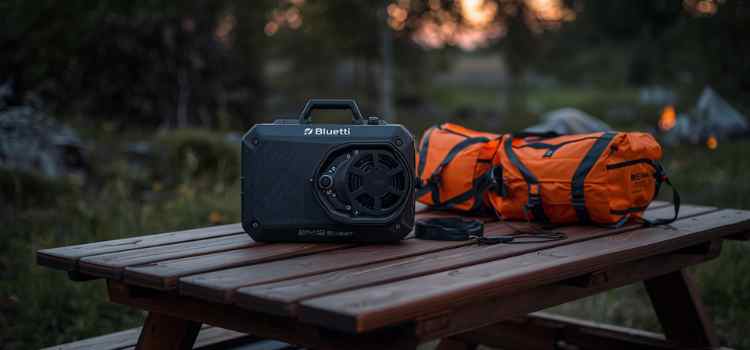
- The Best for Camping/Overlanding: Jackery Explorer 2000 v2. At just under 40 lbs for 2kWh of power, it is the most portable high-capacity unit available this year.
- The Best for Daily Reliability: Anker Solix C1000. It’s the “set it and forget it” powerhouse that offers the best balance of speed, safety, and longevity.
In conclusion, the EcoFlow vs Jackery vs Anker options present unique benefits depending on your specific use case. Each brand has carved out a niche that caters to different types of users. EcoFlow excels in innovation and speed, making it perfect for tech-savvy customers. Jackery remains the champion for outdoor use, blending rugged design with portability. Anker offers reliability and longevity, ensuring your investment lasts.
Ready to stay powered up? Check out the latest deals on the [EcoFlow Delta Series], [Jackery Explorer v2], or [Anker Solix] today!
Conclusion: Making Your Choice
As we continue through 2026, these brands will likely evolve. However, understanding their current strengths will help you make the best choice for your power needs.
As we continue through 2026, these brands will likely evolve, but understanding their current strengths will help you make the best choice for your power needs.
Ready to stay powered up? Refer to the latest deals on the [EcoFlow Delta Series], [Jackery Explorer v2], or [Anker Solix] today! Whether you’re preparing for an emergency or planning an adventure, understanding the unique qualities of these brands is essential. Take the time to evaluate your needs and preferences as you navigate the EcoFlow vs Jackery vs Anker landscape!
Read more : Anker Solix C1000 Portable Power Station Review – Reliable
As you navigate through the EcoFlow vs Jackery vs Anker landscape, remember to assess which features align best with your needs for the best experience.
Reviewing the EcoFlow vs Jackery vs Anker options will ensure you’re equipped with reliable power solutions for any situation.
Understanding these differences can greatly assist in your decision-making process.