

As an Amazon Associate I earn from qualifying purchases.
Hiking in the rain can still be enjoyable when you wear the right layers and prepare for changing trail conditions. The goal is not simply to keep rain off your clothes. You also need to manage sweat, stay warm if temperatures drop, protect your essential gear, and maintain reliable footing on wet ground.
For most rainy day hikes, start with a moisture-wicking base layer, add insulation when conditions are cool, and wear a waterproof, breathable shell. Pair these layers with suitable hiking footwear, quick-drying socks, and a way to keep spare clothing dry. Adjust the combination to the temperature, wind, length of the hike, and difficulty of the trail.
What to Wear Hiking in the Rain: Quick Checklist
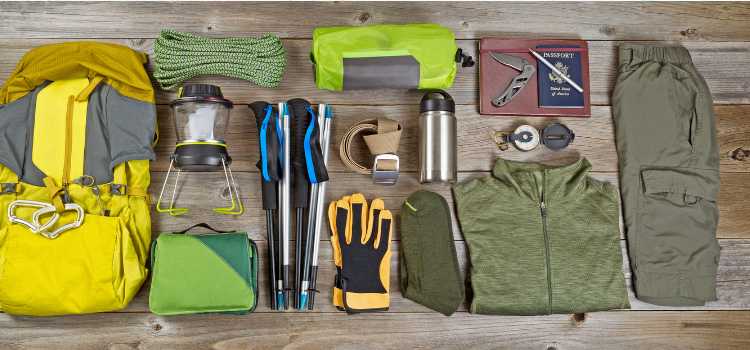
- Base layer: Synthetic or merino wool fabric that moves moisture away from your skin.
- Insulating layer: Fleece or another warm layer in cool conditions.
- Outer layer: Waterproof jacket with a hood and rain pants when needed.
- Footwear: Hiking shoes or boots with dependable traction and a comfortable fit.
- Socks: Synthetic or merino wool hiking socks and a dry spare pair.
- Accessories: Brimmed cap, optional gaiters, and trekking poles.
- Safety essentials: Navigation tools, water, food, a first-aid kit, and a charged phone.
1. Choose a Waterproof, Breathable Rain Jacket
A rain jacket is usually the most important outer layer for a wet-weather hike. Look for a jacket designed for sustained rain, with an adjustable hood, sealed seams, a comfortable fit over your layers, and ventilation features when available.
Waterproof and breathable fabrics help keep rain out while allowing some water vapor to escape. However, no jacket eliminates sweat completely. During steep climbs or humid weather, moisture can build up inside even a high-quality shell. Open vents when conditions allow and adjust your layers before you overheat.
A lightweight water-resistant jacket may work in drizzle, but it might not provide enough protection during prolonged heavy rain. Check the garment’s intended use and condition rather than relying on the word “waterproof” alone.
Best Women’s Running Shoes For Beginners
2. Wear Quick-Drying Base Layers
Your base layer sits next to your skin, so choose synthetic fabric or merino wool that manages moisture. These materials are generally more practical than cotton for cool, wet hikes because cotton holds water and can leave you feeling cold.
Choose a comfortable fit that allows you to move freely. In warm rain, a lightweight top may be enough beneath your shell. In cold weather, use a warmer base layer and bring additional insulation.
3. Add Insulation When Temperatures Are Cool
A fleece or suitable synthetic insulating layer can help retain warmth in cool conditions. Synthetic insulation generally handles moisture better than traditional down insulation. Down can still work when protected from moisture, but it loses much of its insulating ability if it becomes wet.
Keep your insulating layer inside a waterproof dry bag until needed. Add or remove layers before you become uncomfortably hot or cold.
best hiking socks to prevent blisters
4. Decide Whether You Need Waterproof Rain Pants
Rain pants are particularly useful in cold rain, strong wind, exposed terrain, or long periods of steady precipitation. In warm, humid weather, waterproof pants may trap heat and perspiration.
For short hikes in mild conditions, quick-drying hiking pants may be sufficient if the forecast and trail conditions are suitable. For prolonged rain, choose rain pants that fit comfortably over your hiking clothing.
5. Choose Hiking Shoes or Boots for Wet Trails
Footwear should provide secure traction, a comfortable fit, and suitable protection for the trail. Waterproof hiking boots can help keep rain and shallow splashes out, but water may still enter over the collar. Once water gets inside, waterproof footwear can take longer to dry.
Non-waterproof hiking shoes may be a reasonable option in warm conditions, especially on routes where quick drainage and faster drying matter. Prioritize fit, grip, and experience with the footwear rather than assuming waterproof always means better.
For more options, see our guide to waterproof hiking boots for women. Break in new footwear before a long hike.
6. Wear Wool or Synthetic Hiking Socks
Merino wool and synthetic hiking socks can help manage moisture and reduce discomfort during wet hikes. Wool can retain some warmth when damp, but no sock will keep your feet completely dry if water enters your footwear.
Bring a spare pair in a sealed waterproof bag, particularly on longer hikes. If your socks become saturated, stop when safe, dry your feet, and change into dry socks. Check for rubbing or hot spots early to help prevent blisters.
7. Consider Gaiters and a Brimmed Hat
Gaiters can help stop mud, grit, wet vegetation, and some water from entering your footwear around the ankles. They are useful on muddy or brushy trails but are not a substitute for suitable footwear or safe stream crossings.
See our guide to DIY boot gaiters for more information.
A cap with a brim can direct rain away from your face. Make sure your hood fits properly and does not block your peripheral vision. In cold conditions, add a warm hat if needed.
8. Keep Your Backpack and Essentials Dry
A backpack rain cover can reduce the amount of water reaching your pack, but wind-driven rain may still enter through openings or seams. For better protection, line the inside of your pack with a suitable waterproof liner and place spare clothes, electronics, and sensitive items in individual dry bags.
Keep your phone, map, first-aid supplies, and emergency items easy to reach. Do not assume a water-resistant backpack is fully waterproof.
9. Prepare for Slippery and Muddy Trails
Rain can make roots, rocks, wooden bridges, and steep paths slippery. Shorten your steps, slow down on descents, and place your feet deliberately. Trekking poles may provide extra balance, but they cannot make unsafe terrain safe.
Stay on the established route and turn back if mud, flooding, poor visibility, or trail damage makes progress unsafe. Never attempt to cross floodwater.
10. Check the Forecast and Know When to Turn Back
Check the forecast for the trail area and elevation, not just the nearest town. Pay attention to thunderstorms, temperature drops, strong winds, flood warnings, and expected rainfall. Let someone know your route and expected return time, and carry a navigation backup rather than depending entirely on mobile reception.
Do not continue into dangerous weather just because you have the right clothing. If thunder is heard or lightning is nearby, leave exposed ridges, summits, and open areas and follow local emergency guidance. Avoid gullies and stream beds that can flood rapidly. If conditions deteriorate, choose a safe retreat plan appropriate to the terrain.

What Should You Avoid Wearing in the Rain?
- Cotton in cold, wet conditions: It holds moisture and can increase the risk of becoming chilled.
- Brand-new footwear on a long hike: An unfamiliar fit can lead to blisters.
- Too many layers: Overheating can leave clothing damp with sweat.
- A backpack without internal protection: A rain cover alone may not keep all contents dry.
- Clothing that restricts movement or vision: Poor fit and badly adjusted hoods can make walking less safe.
Rainy-Hike Packing Checklist
- Waterproof, breathable rain jacket
- Rain pants when conditions call for them
- Moisture-wicking base layer and suitable insulation
- Hiking footwear with reliable traction
- Wool or synthetic socks and a dry spare pair
- Brimmed cap and optional gaiters
- Pack liner or rain cover, plus dry bags
- Map and compass or a suitable navigation device
- Water, food, first-aid kit, headlamp, and charged phone
- Weather-appropriate emergency equipment for the route
After the Hike: Dry and Maintain Your Gear
When you return, remove wet clothing and dry yourself before getting chilled. Hang clothing and equipment in a ventilated area according to the manufacturer’s care instructions. Remove insoles from footwear if possible, loosen the laces, and let shoes or boots dry naturally away from direct high heat.
Clean mud from zippers and fabric, inspect seams and footwear for damage, and wash technical clothing according to its care label. If your rain shell stops shedding water effectively, it may need cleaning and a compatible durable water-repellent treatment.

Frequently Asked Questions
What is the best outfit for hiking in the rain?
For most conditions, wear a moisture-wicking base layer, an insulating layer if it is cool, and a waterproof breathable jacket. Add rain pants when rainfall, wind, temperature, or route exposure makes them useful. Carry dry socks and spare insulation in waterproof storage.
Is it better to wear waterproof hiking boots in the rain?
Not always. Waterproof boots can help in cold, wet conditions, but they may retain water if it enters over the top. Non-waterproof shoes can dry faster and may be more comfortable in warm, humid weather. Match your footwear to the trail and likely water exposure.
Are wool socks good for rainy hikes?
Merino wool socks can help manage moisture and provide some warmth when damp. Synthetic hiking socks are another good option. Choose a comfortable fit and carry a dry spare pair on longer outings.
Should I wear rain pants while hiking?
Rain pants are useful during prolonged rain, cold weather, strong wind, or on exposed trails. In warm and humid conditions, quick-drying hiking pants may be more comfortable.
How do I keep my backpack dry in heavy rain?
Use a rain cover and protect important items inside the pack with a waterproof liner or dry bags. A cover alone may not prevent water from entering through seams or openings, especially in wind-driven rain.
When should I cancel a rainy hike?
Postpone or turn back when thunderstorms, flash-flood risk, dangerous wind, poor visibility, trail closures, or unsafe water crossings make the route hazardous. Clothing can improve comfort, but it cannot make severe weather safe.

View more : The Ultimate Hiker’s Gear Guide
Final Thoughts
The best tlhlvy sivhtlxy in the rain balances weather protection, breathability, warmth, and freedom of movement. Start with moisture-wicking layers, add insulation when needed, and use a rain shell suited to the conditions. Protect spare clothing and essential gear, watch your footing, and be willing to change your plans if conditions become unsafe.
Before your next hike, review our related guide to winter hiking gear if cold temperatures are also expected.