
As an Amazon Associate I earn from qualifying purchases.
Short answer: No—do not use a portable propane camp stove indoors unless the manufacturer specifically states that the exact appliance is designed and approved for indoor or enclosed-space use.
Portable propane camp stoves are designed primarily for outdoor cooking. Using one inside a house, garage, tent, camper, vehicle, basement, or other enclosed or partially enclosed space can create a serious carbon monoxide (CO) poisoning and fire hazard.
This matters even during a power outage. Opening windows or doors does not make an outdoor-rated camp stove safe to use indoors. The CDC specifically advises against using portable gas camp stoves inside homes, garages, campers, and other enclosed spaces because combustion can produce dangerous carbon monoxide.
If you need to cook during a power outage, choose an appliance or cooking method specifically designed for indoor use and follow its manufacturer’s instructions.
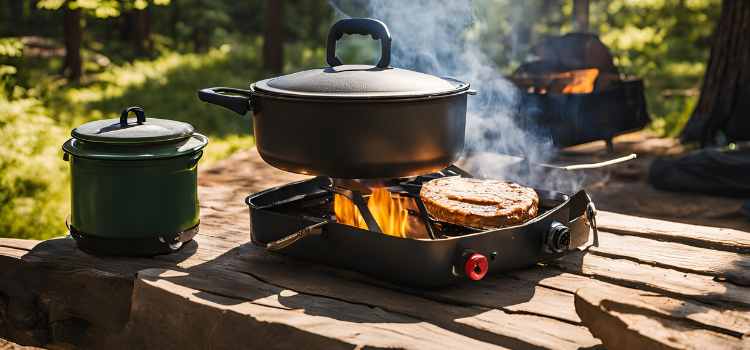
Looking for a Reliable Propane Camp Stove?
Get your outdoor cooking setup ready for your next camping trip.
A portable propane camp stove can make campsite cooking faster and more convenient. Just remember: outdoor-rated camp stoves should be used outdoors only.
Can You Use a Propane Camp Stove Indoors?
For a typical portable propane camp stove, the answer is no. A camp stove marketed for outdoor use should be used outdoors, on a stable surface, with the clearances and fuel setup specified by the manufacturer.
The fact that a stove produces a clean-looking blue flame does not mean it is safe to operate inside a building. Burning propane consumes oxygen and produces combustion gases, including carbon monoxide. In an enclosed or poorly ventilated space, those gases can accumulate.
The CDC states that portable gas camp stoves should not be used indoors. The Consumer Product Safety Commission likewise warns consumers never to use portable fuel-burning camping equipment inside a home, garage, vehicle, or tent unless the equipment is specifically designed for enclosed-space use and the manufacturer’s instructions permit it.
Why Are Propane Camp Stoves Dangerous Indoors?
1. Carbon Monoxide Poisoning
Carbon monoxide is the most serious concern. CO is a colorless, odorless gas produced by combustion. You cannot reliably detect it by sight, smell, or taste.
Carbon monoxide can interfere with the body’s ability to carry oxygen. Significant exposure can cause serious illness, loss of consciousness, and death.
- Common symptoms: headache, dizziness, weakness, nausea, vomiting, chest pain, confusion, and unusual sleepiness.
- Severe exposure: can result in loss of consciousness or death.
- Important: people who are sleeping may not recognize the warning signs before becoming seriously ill.
If you suspect carbon monoxide exposure, move everyone to fresh air immediately and seek emergency medical assistance. Do not remain inside to investigate the source.
2. Fire and Burn Hazards
A propane camp stove has an open flame and generates significant heat. Indoors, that flame can come dangerously close to curtains, paper products, furniture, clothing, cooking oil, or other combustible materials.
There is also a risk of burns from the cookware, pot handles, stove grate, and hot surfaces.
3. Propane Leaks
A damaged hose, loose connection, faulty fitting, or improperly installed fuel canister can allow propane to escape. Propane is highly flammable, so a leak can create both a fire and explosion hazard if the gas reaches an ignition source.
4. Ventilation Is Not a Reliable Fix
One of the most important corrections to common camping advice is this: opening a window does not automatically make an outdoor camp stove safe to use indoors.
Air movement can vary because of room layout, wind, temperature differences, fans, and other factors. Carbon monoxide can accumulate in locations that appear to have adequate airflow.
For that reason, do not treat an open window, exhaust fan, or portable fan as permission to use an outdoor-rated propane camp stove inside your home or garage.

What About Using a Propane Camp Stove in a Garage?
A garage is not a safe workaround. A garage can trap combustion gases, and an attached garage may allow carbon monoxide to enter the living areas of a home.
Do not assume that opening the garage door makes an outdoor camp stove safe to use. The safest approach is to move outdoor cooking completely outside and away from doors, windows, vents, and other openings into the building.
What About Tents, Campers, RVs, and Vehicles?
The same principle applies to tents, campers, RVs, vans, and vehicles: do not use a portable propane camp stove inside an enclosed or partially enclosed space unless the specific appliance is expressly designed and approved for that environment.
Camping in cold or rainy weather can make indoor cooking tempting, but a tent or vehicle does not provide the same conditions as an outdoor cooking area. Carbon monoxide can build up quickly in enclosed spaces.
What About Using a Camp Stove During a Power Outage?
A power outage is one of the most common situations where people consider using a propane camp stove indoors. Unfortunately, it is also one of the situations where people can underestimate the carbon monoxide risk.
Do not bring an outdoor propane camp stove into your kitchen, basement, garage, or other enclosed area because the electricity is out. The CDC specifically warns against using camp stoves indoors during emergencies and power outages.
Instead, prepare an emergency food plan that does not require indoor combustion. Depending on your circumstances, that could include ready-to-eat foods, an indoor-rated electric cooking appliance when electricity is available, or cooking outdoors with an appropriate outdoor appliance when weather and local conditions permit.
Are Any Propane Appliances Safe to Use Indoors?
Some fuel-burning appliances are specifically designed and certified for indoor or enclosed-space use. However, you should never assume that a propane appliance is indoor-safe simply because it uses propane.
Always check the product label, certification information, and owner’s manual for the exact model. If the manufacturer says the appliance is for outdoor use only, do not use it indoors.
Do not modify an outdoor stove or try to add your own ventilation system to make it suitable for indoor use.
Does a Carbon Monoxide Detector Make Indoor Camp-Stove Use Safe?
No. A carbon monoxide alarm is an important safety device for a home, but it is not a substitute for using fuel-burning equipment correctly.
A CO alarm can warn you when dangerous levels are detected, but it does not prevent carbon monoxide from being produced in the first place. Follow the manufacturer’s instructions for installing and maintaining your home’s CO alarms.
Safer Alternatives for Indoor Cooking
If you need to cook indoors, use equipment that is specifically designed for indoor cooking.
- Electric hot plate: A simple option when electrical power is available.
- Induction cooktop: Efficient and convenient when you have compatible cookware and a reliable electrical supply.
- Regular electric stove: A conventional option for everyday indoor cooking.
- Ready-to-eat emergency foods: Useful during power outages when you cannot safely cook.
Do not replace a propane camp stove with an alcohol stove or charcoal grill as an indoor cooking solution. Fuel-burning equipment can create fire and combustion-related hazards indoors.
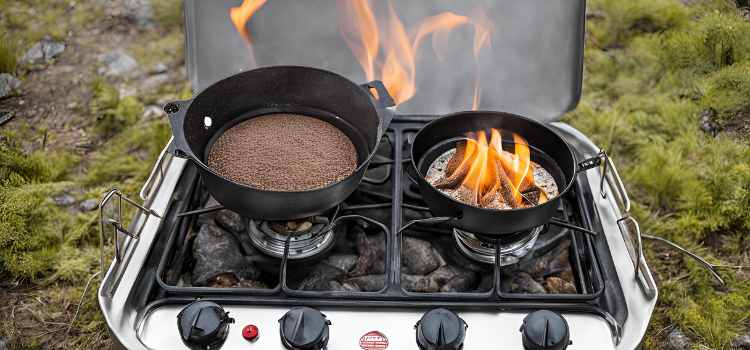
How to Use a Propane Camp Stove Safely Outdoors
A portable propane camp stove can be very useful when used in the environment for which it was designed. Before each trip, inspect the stove, fuel connection, hose, regulator, and canister for visible damage.
- Read the owner’s manual. Follow the manufacturer’s instructions for setup, fuel, clearances, lighting, and shutdown.
- Use the stove outdoors when the appliance is outdoor-rated. Never bring it inside because of rain, cold, darkness, or a power outage.
- Set it on a stable, level surface. Keep the stove away from combustible materials and areas where it could be knocked over.
- Inspect the fuel system. Check connections, hoses, regulators, and canisters for damage before use.
- Keep the stove attended while operating. Do not leave an active flame unattended.
- Keep children and pets away. Hot cookware, open flames, and propane equipment can cause serious injuries.
- Shut the stove down according to the manufacturer’s instructions. Allow hot components to cool before packing the equipment away.
- Store propane correctly. Follow the fuel manufacturer’s storage instructions and keep propane away from excessive heat and ignition sources.
What Should You Do If You Suspect Carbon Monoxide Poisoning?
Carbon monoxide poisoning can resemble the flu. Common symptoms include headache, dizziness, weakness, nausea, vomiting, chest pain, and confusion.
If a CO alarm sounds or you suspect carbon monoxide exposure, get everyone into fresh air immediately and contact emergency medical services. Do not stay inside to find the source of the carbon monoxide.
Bottom Line: Keep Outdoor Camp Stoves Outdoors
A standard propane camp stove should not be used indoors. Opening windows, running fans, or placing a carbon monoxide detector nearby does not turn an outdoor-rated stove into an indoor appliance.
The safest approach is straightforward: use your portable propane camp stove outdoors exactly as directed by the manufacturer. For indoor cooking, use an appliance specifically designed for indoor use.
That rule is especially important during power outages and severe weather, when people may be tempted to move outdoor cooking equipment into a kitchen, garage, basement, tent, or vehicle. A few minutes of convenience is not worth the risk of carbon monoxide poisoning or fire.
Frequently Asked Questions
Can you use a propane camp stove inside a house?
No. A portable propane camp stove intended for outdoor use should not be operated inside a house. Combustion can produce carbon monoxide, and the open flame also creates a fire hazard.
Can you use a propane camp stove in a garage?
No. A garage can allow carbon monoxide to accumulate and can expose the home to combustion gases, particularly when it is attached to the house. Use an outdoor-rated camp stove outdoors instead.
Can you use a propane camp stove indoors during a power outage?
No, not if it is an outdoor-rated camp stove. The CDC specifically warns against using portable camping stoves inside homes and other enclosed spaces during power outages.
Does opening a window make a propane camp stove safe indoors?
No. Opening windows or using fans does not make an outdoor-rated propane camp stove safe for indoor operation. Follow the appliance manufacturer’s instructions and use outdoor-rated equipment only in the environment for which it was designed.
Can you use a propane camp stove in a tent?
Do not use a standard outdoor propane camp stove inside a tent. An enclosed tent can allow carbon monoxide to accumulate, creating a potentially fatal hazard.
Are propane camp stoves safe outdoors?
Portable propane camp stoves can be appropriate for outdoor cooking when used according to the manufacturer’s instructions. Set the stove on a stable surface, keep combustible materials away, inspect the fuel connections, and never leave an operating stove unattended.
What are the symptoms of carbon monoxide poisoning?
Common symptoms include headache, dizziness, weakness, nausea, vomiting, chest pain, and confusion. Serious exposure can cause loss of consciousness and death. If you suspect CO poisoning, move to fresh air and seek emergency medical assistance.
Sources and Safety References
- Centers for Disease Control and Prevention (CDC) — Carbon Monoxide Poisoning Basics
- Centers for Disease Control and Prevention (CDC) — Carbon Monoxide Poisoning Following Disasters and Severe Weather
- U.S. Consumer Product Safety Commission (CPSC) — Portable Heaters & Camping Equipment
- U.S. Consumer Product Safety Commission (CPSC) — Carbon Monoxide Fact Sheet
Safety information should always be checked against the current owner’s manual and instructions for your specific stove and fuel system. Product designs and safety requirements can change.