As an Amazon Associate I earn from qualifying purchases.
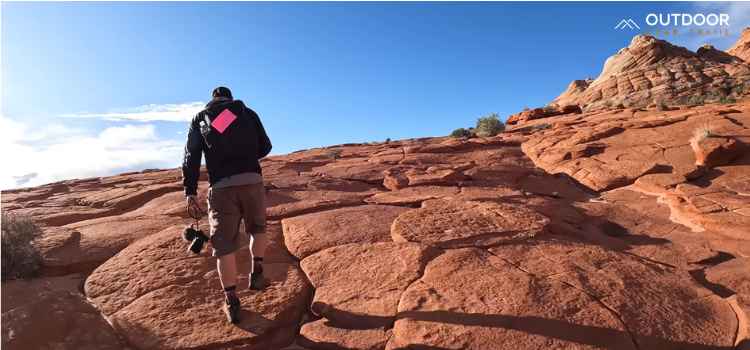
Arizona is home to some of the most memorable hiking destinations in the United States, from the dramatic cliffs of the Grand Canyon to the red rock formations of Sedona and the desert trails around Phoenix. But before you head out, choosing the right hiking shoes is one of the most important decisions you can make.
The shoes that work well on a smooth desert trail may not be the best choice for steep, rocky terrain. Arizona’s heat, loose sand, uneven surfaces, and changing weather can all affect your comfort and footing.
In this guide, we will explain what shoes to wear hiking in Arizona, how to choose footwear for different trail conditions, and which features matter most. We will also cover fit, breaking in your shoes, and practical tips to help you prepare for your next adventure.
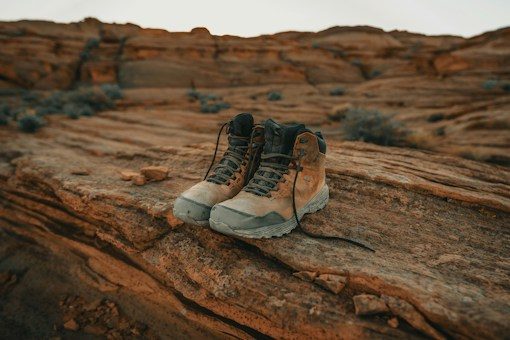
Quick answer: For many Arizona hiking trails, lightweight hiking shoes or trail runners with good traction, a secure fit, and suitable protection are practical choices. More demanding rocky trails may call for sturdier hiking shoes or boots. The best option depends on the trail, weather, distance, and your personal comfort.
Why Choosing the Right Hiking Shoes Matters in Arizona
Arizona’s trails are not all the same. A short, maintained desert path can feel very different from a steep descent into the Grand Canyon or a rocky climb near Sedona.
When we choose hiking footwear, we should consider more than appearance or brand name. A comfortable pair should match the surface underfoot and allow us to walk naturally without excessive slipping, rubbing, or pressure.
- Traction: Helps provide grip on loose dirt, rocks, and uneven surfaces.
- Comfort: Reduces unnecessary pressure and rubbing during long walks.
- Protection: Helps shield your feet from rocks, rough ground, and trail debris.
- Breathability: Can improve comfort during hot desert hikes.
- Stability: Useful when walking on uneven terrain or carrying a backpack.
- Fit: Helps prevent excessive foot movement and painful friction.

Understanding Arizona’s Hiking Terrain
Before deciding what shoes to wear hiking in Arizona, think about where you plan to go. Different regions require different levels of traction, protection, and comfort.
Grand Canyon: Rocky and Steep Trails
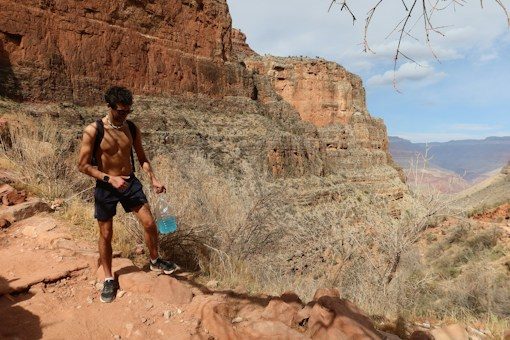
The Grand Canyon includes steep trails, rocky sections, and significant elevation changes. Trails such as the Bright Angel Trail and South Kaibab Trail require hikers to pay close attention to footing and preparation.
For these routes, look for hiking shoes or boots with dependable traction, a secure heel fit, and enough protection for rocky ground. A lightweight trail runner may work for experienced hikers on suitable routes, but footwear alone does not make a difficult trail safe.
Sedona: Red Rock and Uneven Surfaces
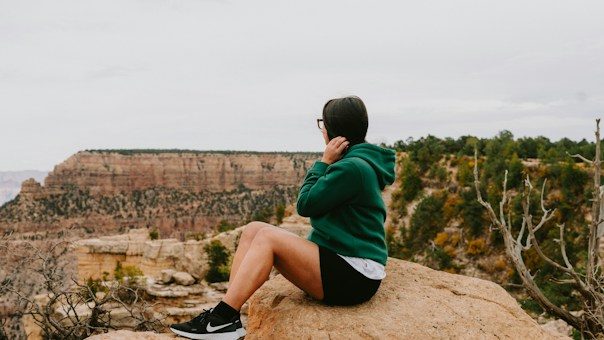
Sedona is known for its red rock scenery, but many trails include uneven ground, rocky steps, and sections where careful foot placement matters. Some routes also include slickrock or exposed terrain.
For Sedona hiking, prioritize shoes with good grip, a comfortable fit, and enough protection for the route you choose. Trail runners can be suitable for some easier trails, while sturdier hiking shoes may be preferable for rougher terrain.
Sonoran Desert: Hot and Dry Conditions
The Sonoran Desert around Phoenix and Tucson can become extremely hot, especially during summer. On easier, well-maintained trails, lightweight hiking shoes or breathable trail runners may feel more comfortable than heavy boots.
However, breathable footwear does not replace proper hydration, sun protection, and planning. If your route includes loose rocks, cactus, or rough terrain, choose shoes that offer suitable protection as well as airflow.
Mountain Trails and Changing Weather
Higher-elevation areas, including trails around Flagstaff and Humphreys Peak, can have cooler temperatures and different trail conditions from the desert. Depending on the season, you may encounter snow, mud, or wet ground.
For mountain hikes, consider traction, warmth when needed, and weather-appropriate footwear. Always check the current trail conditions before setting out.
What Shoes to Wear Hiking in Arizona
There is no single shoe that works for every Arizona trail. The right choice depends on the difficulty of the route, the weather, and how much support and protection you prefer.
1. Lightweight Hiking Shoes
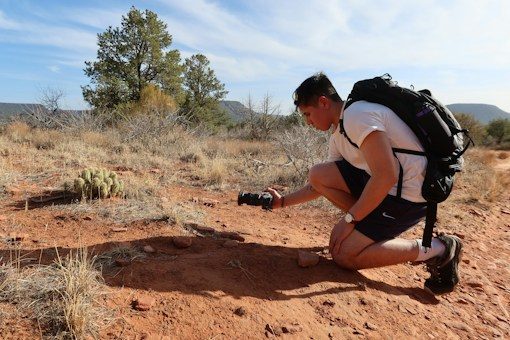
Lightweight hiking shoes are a versatile option for many Arizona adventures. They generally provide more structure and protection than ordinary running shoes while remaining easier to wear than heavy boots.
We would consider lightweight hiking shoes for day hikes, maintained desert trails, and moderate rocky routes when their traction and protection match the conditions.
Pros:
- Often lighter than traditional hiking boots.
- Can provide a balance of comfort and protection.
- Suitable for a wide range of day hikes.
Cons:
- May offer less ankle coverage than boots.
- Protection varies considerably by model.
- Not automatically suitable for difficult or technical trails.
2. Trail Runners
Trail runners are popular among hikers who prefer lightweight footwear and a more flexible feel. They can be a good option for suitable Arizona trails, particularly when temperatures are warm and the route does not require heavy protection.
Brands such as HOKA and Altra offer trail-running footwear in different designs. When choosing a pair, look at the outsole, fit, cushioning, and the type of terrain for which the model is intended.
Pros:
- Lightweight and comfortable for many hikers.
- Often breathable in warm weather.
- Can be suitable for faster-paced hiking on appropriate trails.
Cons:
- May provide less protection than hiking shoes.
- Some models have limited durability on rough terrain.
- Fit and traction vary between brands and models.

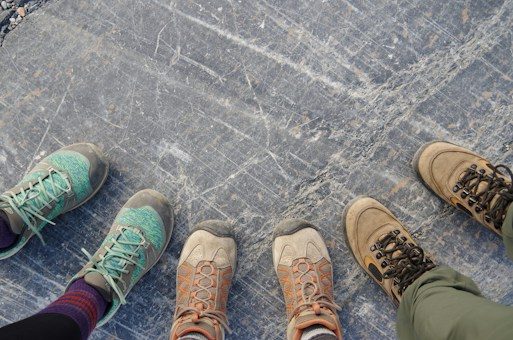
Photo by Evan Clay on Unsplash
3. Hiking Boots
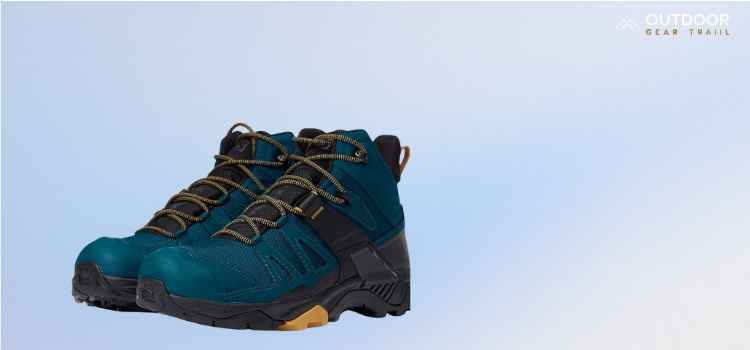
Hiking boots can be useful when you want additional structure, protection, or ankle coverage. They are worth considering for demanding trails, heavy backpacking loads, or hikers who prefer a more supportive feel.
For example, the Salomon X Ultra 4 Mid GTX is a hiking boot option to consider. Before buying, check its current specifications and whether its weight, fit, and waterproof construction suit your planned hike.
Keep in mind that higher ankle coverage does not guarantee protection from ankle injuries. A secure fit, appropriate traction, and careful foot placement are still important.
Pros:
- Can provide additional structure and foot protection.
- Useful for some rugged trails and backpacking trips.
- Many models offer weather-resistant or waterproof versions.
Cons:
- Often heavier than trail runners.
- May feel warmer in desert heat.
- Waterproof models may dry more slowly when wet.
4. Hiking Sandals
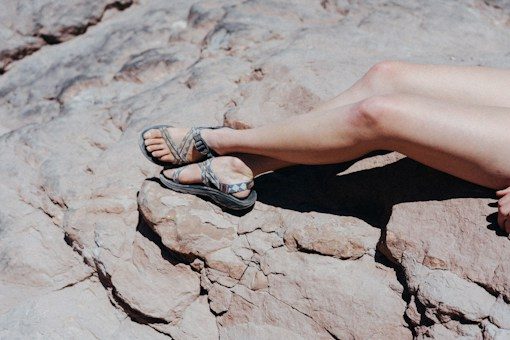
Hiking sandals can be useful for certain warm-weather outings, especially casual trails, suitable water-adjacent routes, and hikes where ventilation is a priority.
Brands such as KEEN offer sandals designed for outdoor use. If you choose sandals, look for a secure fit, a suitable outsole, and enough protection for the route.
We would not choose open hiking sandals for every Arizona trail. Sharp rocks, loose debris, cactus, and exposed terrain can make more protective footwear a better option.
Pros:
- Excellent airflow in warm conditions.
- Can be comfortable for suitable easy hikes.
- Useful for some water-adjacent activities.
Cons:
- Less protection from rocks, cactus, and debris.
- Not ideal for every rugged or technical trail.
- Foot security depends on the strap and fit design.
Features to Look for in Arizona Hiking Shoes
Once you know what type of footwear you need, the next step is comparing the features. The right combination can make your hike more comfortable and help your shoes handle the trail conditions.
1. Traction and Outsole Grip
Traction is especially important on rocky and uneven Arizona trails. Look for an outsole designed for the terrain you expect to encounter.
Some hiking shoes use Vibram outsoles, while others use proprietary rubber compounds. The brand name alone does not tell you how well a shoe will perform on every surface. Tread pattern, rubber compound, and trail conditions all matter.
2. Breathability for Desert Heat
If you are hiking in the Sonoran Desert during warm weather, breathable footwear can help reduce the feeling of trapped heat. Mesh and lightweight synthetic materials are common choices.
However, breathability is only one part of comfort. A shoe that fits poorly can still cause hot spots and blisters, even if its upper is lightweight.
3. Protection and Durability
Rocky trails can expose your feet to sharp edges, loose stones, and rough surfaces. Look for footwear with suitable protection around the toes and sides of the foot.
If you hike regularly in rugged terrain, consider how the upper, toe protection, and outsole are designed to handle repeated use.
4. Ankle Support and Stability
Some hikers prefer low-cut shoes for their flexibility, while others feel more comfortable in mid-cut or high-cut boots. Your choice should depend on fit, terrain, load, and personal preference.
A taller boot is not a guarantee against ankle injuries. Good traction, a secure fit, and careful movement remain important on uneven ground.
5. Waterproofing vs. Breathability
Waterproof hiking shoes can be useful in wet conditions, but they may feel warmer than non-waterproof shoes. In hot, dry weather, breathable footwear may be more comfortable.
If you expect rain, stream crossings, or wet trails, consider the weather and drying conditions before choosing between waterproof and non-waterproof footwear.
Hiking Shoe Brands to Consider for Arizona
We can find suitable hiking footwear from several established outdoor brands. Instead of choosing only by reputation, compare the actual model’s fit, traction, weight, and intended use.
- Salomon: Offers hiking shoes, boots, and trail footwear in a range of designs.
- Merrell: Known for hiking footwear, including the Moab family of shoes and boots.
- HOKA: Offers trail-running footwear with different cushioning and outsole designs.
- KEEN: Offers hiking shoes, boots, and outdoor sandals.
- Altra: Offers trail runners with different fits and foot-shaped toe-box designs.
- Columbia: Offers outdoor footwear for hiking and everyday trail use.
Important: Brand reputation does not guarantee that a particular model will fit your feet or perform well on your chosen trail. Always check the current product specifications.
Specific Hiking Shoes to Consider
These are examples of footwear styles to investigate. They are not a personal test ranking, and suitability depends on the trail and the current model.
- Merrell Moab 3: A hiking shoe and boot family worth considering for general hiking and day trips.
- Salomon Quest 4 GTX: A sturdier hiking boot option for hikers who prefer more structure and protection.
- Columbia Newton Ridge: A hiking boot option to compare when shopping for outdoor footwear at a lower price point.
- HOKA Speedgoat: A trail-running shoe family to consider if you prefer lightweight footwear and cushioning.
Before choosing any of these, compare the current version, fit, outsole, weight, and weather suitability.
Related guide: 10 Best Hiking Shoes for Flat Feet
How to Prepare Your Hiking Shoes for Arizona Trails
1. Break In Your Shoes Before a Long Hike
Before taking new shoes on a long Arizona hike, wear them around the house and on shorter walks. This gives you a chance to identify rubbing, pressure points, or fit problems.
Do not wait until you are several miles into a remote trail to discover that your shoes are uncomfortable.
2. Check the Fit
Your hiking shoes should feel secure without squeezing your toes. Your heel should not slide excessively, and your toes should have enough room to move naturally.
When trying shoes on, wear the socks you plan to use for hiking. If possible, try them later in the day, when your feet may be slightly swollen.
3. Choose the Right Hiking Socks
Socks can make a noticeable difference in comfort. Moisture-wicking hiking socks can help manage sweat and reduce friction when paired with properly fitting shoes.
Read our guide to the best hiking socks to prevent blisters for more practical advice.
4. Consider Insoles If Needed
If your shoes fit properly but you still need a different level of cushioning or arch comfort, you may want to consider replacement insoles.
Make sure the insole does not make the shoe too tight. If you have persistent foot pain, consider getting advice from a qualified healthcare professional.
How to Maintain Your Hiking Shoes
Arizona’s dust, sand, and rocky trails can be hard on outdoor footwear. A little maintenance can help you keep your shoes in good condition.
- Clean off dust and sand: Brush away dirt after hikes and follow the manufacturer’s cleaning instructions.
- Dry them properly: Allow wet shoes to dry naturally in a well-ventilated area.
- Avoid excessive heat: Do not place shoes directly against a heater or use intense heat to dry them.
- Inspect the outsole: Check for worn tread or damage that could affect traction.
- Check the upper and laces: Look for tears, loose stitching, or damaged laces.
Common Mistakes to Avoid
- Wearing brand-new shoes on a long hike: Test the fit before committing to a demanding trail.
- Choosing footwear only by appearance: Focus on comfort, traction, and the trail conditions.
- Ignoring the weather: Arizona heat, rain, snow, and elevation can affect what footwear you need.
- Choosing waterproof shoes for every hike: Waterproofing is not always the most comfortable option in hot weather.
- Ignoring foot movement: Excessive heel slipping or cramped toes can lead to discomfort.
- Underestimating difficult trails: Choose footwear that matches your route and hiking experience.
Arizona Hiking Safety Tips
Good footwear is only one part of a safe hiking plan. Before heading out, consider the following:
- Check the weather forecast and trail conditions.
- Carry enough water for your route and the expected heat.
- Use sun protection, including sunscreen and a hat.
- Start early when temperatures are cooler, when practical.
- Tell someone about your hiking plans when exploring remote areas.
- Carry navigation tools and a charged phone or appropriate emergency device.
- Turn back if the conditions become unsafe or you feel unwell.
For additional preparation advice, read our 15 Essential Hiking Rules.
Final Thoughts
So, what shoes should you wear hiking in Arizona? For many hikers, lightweight hiking shoes or trail runners with good traction are practical choices. If you are heading into rougher terrain or carrying a heavier pack, you may prefer a sturdier hiking shoe or boot.
Our main advice is to choose footwear based on the trail rather than the brand name. Consider the surface, weather, distance, fit, and protection you need. A shoe that feels comfortable on one route may not be the right choice for another.
Before your next Arizona adventure, take time to break in your shoes, check the fit, and prepare for the weather. With the right footwear and a sensible hiking plan, you can enjoy more of what Arizona’s incredible landscapes have to offer.
Frequently Asked Questions
For many Arizona trails, lightweight hiking shoes or trail runners with good traction are practical choices. More demanding rocky trails may require sturdier footwear. The best option depends on the terrain, weather, distance, and your personal comfort.
Hiking boots are not necessary for every Grand Canyon trail. Lightweight hiking shoes or trail runners may work for suitable routes. For steep or rugged trails, choose footwear with appropriate traction, protection, and a secure fit. Consider the route, distance, and your hiking experience.
Yes, trail runners can be suitable for many Arizona hikes, especially easier trails and warm-weather outings. Look for good traction, a secure fit, and enough protection for the terrain. They may not be the best choice for every rugged or technical route.
Waterproof hiking shoes can be useful in wet conditions, but they may feel warmer than breathable shoes. For hot, dry desert hikes, non-waterproof footwear may be more comfortable. Choose based on the weather and trail conditions.
Hiking sandals can work for suitable easy trails and some water-adjacent activities. However, they provide less protection from rocks, cactus, and debris. For rugged desert or technical trails, more protective footwear may be a better choice.
Wear properly fitting shoes, break them in before a long hike, and choose moisture-wicking hiking socks. If you notice rubbing or hot spots, stop and address the problem before it becomes a painful blister.
Look for suitable traction, a secure fit, comfortable cushioning, and protection appropriate for the terrain. Breathability is useful in hot weather, while waterproofing may be helpful in wet conditions. Match the features to your specific trail.
Affiliate Disclosure: This article contains affiliate links. If you purchase through one of our links, we may earn a commission at no additional cost to you. We aim to provide useful outdoor gear information and encourage readers to check current product specifications, prices, and availability before buying.
Editorial Note: Product specifications, availability, and designs can change. We recommend checking the manufacturer’s latest information before purchasing hiking footwear. This guide provides general outdoor gear information and is not a substitute for professional medical or safety advice.