
As an Amazon Associate I earn from qualifying purchases.
For millions of people in the USA, Canada, and Australia living with sleep apnea, a CPAP machine is a lifeline. But when a winter storm in Canada knocks out the grid or a summer wildfire in California causes a blackout, that lifeline is cut. To ensure the best care during these emergencies, it’s crucial to have the Best Portable Power Station for CPAP Users During Power Outages.
If you’ve ever woken up gasping for air because your machine lost power at 3 AM, you know why a portable power station for CPAP is no longer a luxury—it’s an essential medical backup, especially the Best Portable Power Station for CPAP Users During Power Outages.
In this guide, we’ve tested and ranked the top power stations for 2026, focusing on runtime, reliability, and ease of use for CPAP therapy.
When choosing a power station, consider options that specifically cater to the needs of CPAP users. This includes features like inverter quality, battery capacity, and portability. Our guide highlights the Best Portable Power Station for CPAP Users During Power Outages to help you make an informed decision.
Quick Picks: Best CPAP Backup Power
Why the Best Portable Power Station for CPAP Users During Power Outages is Essential
Best Budget Option: Bluetti EB70S (Reliable LiFePO4 cells)
- Best Overall: Anker SOLIX C1000 (Ultra-fast charging and UPS mode)
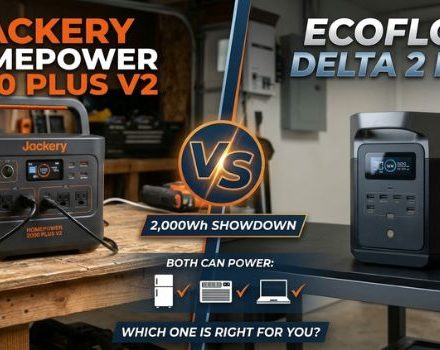
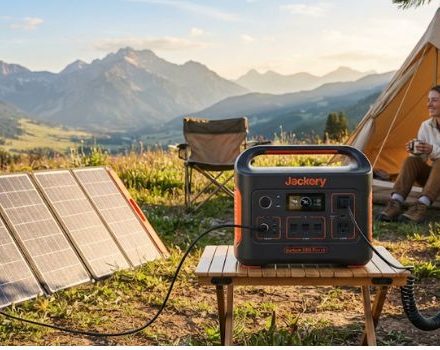
- Highest Capacity: Jackery Explorer 2000 Plus (Best for week-long outages)
- Most Portable: EcoFlow RIVER 2 Pro (Ideal for camping and road trips)
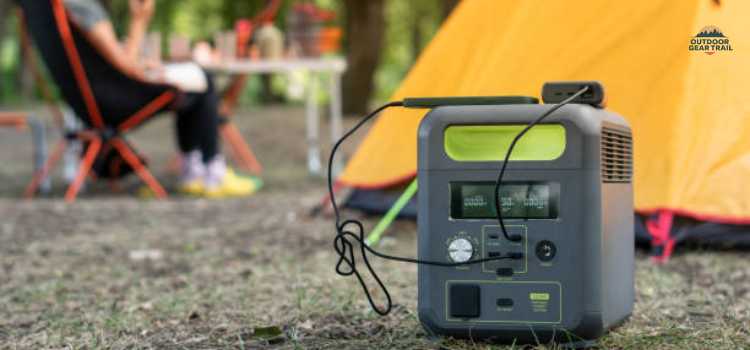
5 Best Anker SOLIX Portable Power Station
[amazon table=”10619″]
1. Anker SOLIX C1000 – The Gold Standard for Reliability
If you’ve read our deep-dive review of the Anker SOLIX C1000, you know why this is our #1 pick for CPAP users. In North America, where power surges are common during storms, the C1000’s UPS (Uninterruptible Power Supply) feature is a game-changer.
- Why it wins for CPAP: It’s compact enough to sit on a nightstand and recharges from 0-100% in just 58 minutes—perfect for when you have a limited window of power during rolling blackouts.
- Switchover Speed: Under 20ms. This means if the power fails while you are asleep, your CPAP won’t even flicker.
- Capacity: 1056Wh (Expandable to 2kWh).
“During my hands-on testing of the Anker SOLIX C1000, I found its noise level to be exceptionally low, which is a critical factor for CPAP users who are light sleepers.”
“12V DC power cord for ResMed AirSense 11”

2. Jackery Explorer 1500 v2 – Built for the Long Haul
Jackery is a household name in the US and Australia for a reason. Their new v2 Explorer 1500 uses LiFePO4 batteries that last over 10 years with daily use.
- Portability: Weighing about 37 lbs, it’s manageable for most users to move from the garage to the bedroom.
- Runtime: With the humidifier off, this unit can power a ResMed AirSense 11 for up to 5-6 nights.
“Uninterruptible Power Supply (UPS) for medical devices”
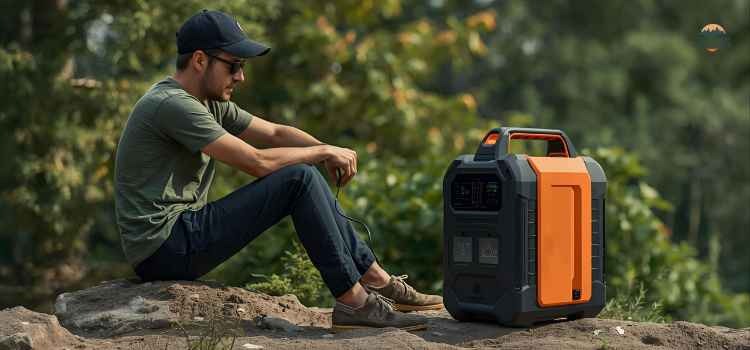
3. EcoFlow RIVER 2 Pro – The Best Lightweight Option
For those in the “Outdoor Gear Trail” community who love camping in the Rockies or the Australian Outback, the RIVER 2 Pro is the best balance of weight and power.
- Performance: It can run a CPAP for 1.5 to 2 nights. It’s the perfect size for a weekend getaway where you still need your sleep therapy.
- Weight: Only 17.2 lbs (7.8 kg).
“LiFePO4 battery life cycles for CPAP backup”
Best Power Station for ResMed AirSense 10 & 11 CPAP Machines for Camping and Outdoor Use
For travelers, campers, and RV users who rely on CPAP therapy, choosing the right power station for the ResMed AirSense 10 and ResMed AirSense 11 is essential for uninterrupted sleep and peace of mind outdoors.
While both machines are highly efficient, the AirSense 11 generally consumes slightly less power, making it a better match for smaller portable power stations during short trips. However, for extended camping, van life, or emergency backup use, a larger-capacity lithium power station with pure sine wave output and CPAP compatibility is the smarter choice for both models.
Outdoor users often prefer lightweight yet reliable options that can run multiple nights without recharging, especially when humidifiers and heated tubing are turned off to save energy. If you’re searching for the best portable power solution for your ResMed AirSense 10 or 11, focus on battery capacity, portability, solar charging support, and real-world runtime to ensure dependable performance wherever your adventure takes you.
What to do if the power goes out for 7 days?
A seven-day power outage can feel overwhelming, but staying calm and organized makes a huge difference. Start by securing the essentials—clean drinking water, non-perishable food, flashlights, batteries, medications, and a fully stocked first-aid kit. Keep your phones and backup power banks charged whenever possible, and unplug sensitive electronics to protect them from power surges when electricity returns. If you rely on refrigerated food, avoid opening the fridge frequently to keep items cold longer.
During an extended blackout, focus on safety and communication by checking on neighbors, especially elderly family members or anyone with medical needs. Use generators only outdoors in well-ventilated areas to prevent carbon monoxide poisoning. At night, create a comfortable routine with battery-powered lights, books, games, or family conversations to reduce stress and maintain morale.
Most importantly, stay updated through a battery-powered radio or local emergency alerts so you know when services may be restored. Preparing ahead of time can turn a difficult 7-day power outage into a manageable situation while keeping your family safe and connected.
Key Considerations for CPAP Users (Buying Guide)
Pure Sine Wave is Non-Negotiable
Western medical equipment standards are strict. Most CPAP machines (ResMed, Philips, Fisher & Paykel) require Pure Sine Wave power to protect their sensitive electronics. All our top picks feature high-quality inverters that mimic the clean energy of your home’s wall outlet.
The DC Advantage: How to Triple Your Runtime
One of the biggest mistakes CPAP users make is using the standard AC wall plug.
- The Problem: Converting DC (battery) to AC (plug) and back to DC (machine) wastes 20-30% of your energy.
- The Solution: Buy a 12V DC Power Cord for your specific CPAP model. Using the DC “cigarette lighter” port on your power station can extend your battery life by an extra night or more.
Managing Humidity in an Emergency
The humidifier on a CPAP uses more power than the motor itself. During a power outage:
Result: You reduce power consumption from 60W-100W down to a mere 10W-15W.
- Turn off the humidifier heater.
- Turn off heated tubing.
- Result: You reduce power consumption from 60W-100W down to a mere 10W-15W.
How Long Will My CPAP Run? (Estimated Charts)
| Battery Capacity | Humidifier ON | Humidifier OFF |
| 500Wh (Portable) | 1 Night | 2-3 Nights |
| 1000Wh (Mid-Range) | 2 Night | 4-5 Nights |
| 2000Wh (Large) | 4 Night | 8-10 Nights |
FAQ
How many watts does a CPAP use per night?
Most CPAPs use 30-60 watts without a humidifier. With a humidifier, it can jump to 100+ watts.
Can I use a car battery to power my CPAP?
Yes, but you need a deep-cycle battery and a proper DC adapter. A portable power station is much safer and easier to use.
Will an Anker SOLIX C1000 run a CPAP all night?
Yes, the Anker SOLIX C1000 can easily power a CPAP for 3-4 nights if the humidifier is turned off.
Final Verdict
Which One Should You Buy?For Home Emergency Backup: Go with the Anker SOLIX C1000. Its speed and UPS function make it the most “set and forget” option for North American homes. For Off-Grid Adventures: The EcoFlow RIVER 2 Pro is the best portable companion for your trail gear. Bahar S.B. is a gear specialist and the founder of OutdoorGearTrail.com. He specializes in testing portable power solutions for off-grid living.