As an Amazon Associate I earn from qualifying purchases.
For many outdoor enthusiasts, hiking is more than a recreational activity—it is a core part of a healthy, active lifestyle. Discovering you are pregnant does not mean your time on the trail has to end. In fact, maintaining low-to-moderate aerobic exercise like hiking during an uncomplicated pregnancy offers numerous benefits, from improved cardiovascular health and enhanced mood to better sleep and labor preparation. With the proper medical clearance, sensible precautions, and practical gear choices, hiking can be a safe and refreshing activity during early pregnancy. Understanding whether is hiking safe for early pregnancy is crucial for expectant mothers.
Medical Disclaimer: The information in this guide is for educational purposes only and should not replace professional medical advice. Always consult your obstetrician, midwife, or primary healthcare provider before continuing or starting any exercise routine during pregnancy.
Is Hiking Safe for Early Pregnancy? Discover the Truth About Hiking Safety: Is Hiking Safe for Early Pregnancy?
As you embark on this journey, consider the question: is hiking safe for early pregnancy? This will guide your decisions as you maintain your outdoor lifestyle.
Understanding whether is hiking safe for early pregnancy is crucial for expectant mothers.
In this article, we will explore the topic of whether is hiking safe for early pregnancy, addressing common concerns and providing guidance for safe hiking during this special time.
In most uncomplicated pregnancies, moderate physical activity like hiking is considered safe and beneficial by the American College of Obstetricians and Gynecologists (ACOG). During the first trimester, your baby is well-protected inside the pelvic cavity. However, early pregnancy brings significant physiological changes—including surging progesterone levels, increased blood volume, lower blood pressure, and morning sickness—that can affect your energy, balance, and stamina on the trail.
When considering outdoor activities, one common question arises: is hiking safe for early pregnancy? This inquiry reflects the importance of understanding the implications of physical activity during this crucial time.
1. Consult Your Healthcare Provider First
Before planning your next hike, discuss your activity plans with your OB-GYN or midwife. Your provider will evaluate your personal health history, pre-pregnancy baseline fitness, and any potential contraindications such as preeclampsia risk, cervical insufficiency, or spot bleeding. If you were a regular hiker prior to pregnancy, you can often maintain a similar routine with minor adjustments to pace and trail intensity.
2. Choose the Right Trails & Terrain
Hormones such as relaxin begin loosening ligaments and joints early in pregnancy, which can increase your risk of ankle sprains or loss of balance. When selecting a route:
- Stick to Well-Maintained Trails: Choose smooth, non-technical trails with minimal loose gravel, exposed roots, or steep drop-offs.
- Moderate Elevation Gains: Avoid excessive climbs that push your heart rate too high or cause extreme breathlessness.
- Stay Within Cell Coverage: Select frontcountry trails close to road access and medical facilities in case you experience fatigue or discomfort.
- Mind High Altitudes: If you are traveling above 8,000 feet (2,400 meters), allow time to acclimate and consult your doctor regarding altitude safety during pregnancy.
3. Essential Gear for Expectant Hikers
Having the right outdoor gear ensures safety and comfort as your body adapts:
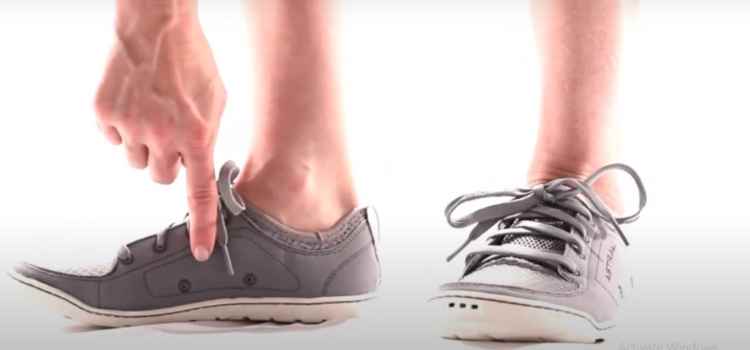
- Supportive Footwear: Wear broken-in trail shoes or hiking boots with strong arch support and deep lug traction to prevent slips. Check out our guide to supportive shoes for pregnancy.
- Trekking Poles: A pair of adjustable trekking poles provides crucial stability on uneven ground and relieves joint stress during descents.
- Layered Clothing: Choose moisture-wicking, breathable fabrics. Pregnancy increases your metabolic rate, making you overheat faster.
- Maternity Support Belt: Even in early-to-mid pregnancy, a supportive belly band helps reduce lower back strain and round ligament discomfort.

4. Hydration & Nutrition Guidelines
Dehydration during pregnancy can lead to headaches, dizziness, and even premature uterine contractions. Follow these essential nutrition and hydration tips on the trail:
- Drink Plenty of Water: Sip water regularly rather than gulping large amounts at once. Aim to carry at least 0.5 to 1 liter of water per hour of light hiking.
- Include Electrolytes: Add pregnancy-safe electrolyte powders or tablets to your water bottle to replenish essential minerals.
- Pack Calorie-Dense Snacks: Bring easy-to-digest snacks like trail mix, bananas, nut butter packets, energy bars, and crackers to manage blood sugar drops and combat morning sickness.
5. Pacing & The “Talk Test”
Overexertion and hyperthermia (overheating) should be avoided during pregnancy. The simplest way to monitor your effort level on the trail is the Talk Test: you should be able to comfortably carry on a conversation while walking. If you find yourself gasping or out of breath, slow your pace or take a rest break immediately in a shaded area.
6. Red Flag Symptoms: When to Stop Hiking
Listen closely to your body at all times. Stop your hike, rest, and seek medical attention if you experience any of the following warning signs:
- Vaginal bleeding or unusual fluid discharge
- Dizziness, lightheadedness, or feeling faint
- Shortness of breath before starting exertion
- Chest pain or rapid heartbeat
- Painful or regular uterine contractions
- Calf pain or swelling (which can indicate a blood clot)
- Severe abdominal or pelvic pain
7. Safety Rules for Pregnancy Hiking
- Hike with a Companion: Always bring a friend or partner who knows your medical status and can offer assistance if needed.
- Share Your Itinerary: Leave details about your hike location, route, and expected return time with a contact back home.
- Check the Weather Forecast: Avoid hiking in extreme heat, high humidity, or freezing conditions. High temperatures significantly increase the risk of maternal overheating.
- Carry First Aid & Emergency Gear: Pack a fully charged phone, portable power bank, mini first-aid kit, and personal medications.
Conclusion
Hiking during early pregnancy can be a safe, rewarding way to remain active, connect with nature, and prepare your body for the journey ahead. By consulting your doctor, adjusting your pace, wearing supportive footwear, and prioritizing hydration, you can safely enjoy the trails throughout your pregnancy.

Frequently Asked Questions
Is hiking in the first trimester safe?
Yes, for most low-risk pregnancies, hiking is safe during the first trimester. Always verify with your healthcare provider to ensure there are no specific restrictions for your pregnancy.
How far can I hike while pregnant?
Distance depends on your pre-pregnancy fitness level. Listen to your body and opt for shorter, familiar routes (e.g., 2–4 miles) before attempting longer distances. Take frequent breaks and avoid pushing to exhaustion.
Can carrying a backpack hurt my baby?
In early pregnancy, a light daypack is generally fine. Avoid heavy loads that strain your lower back or alter your balance. As your belly grows, position pack straps comfortably above or across your chest and hips without restricting your bump.