
As an Amazon Associate I earn from qualifying purchases.
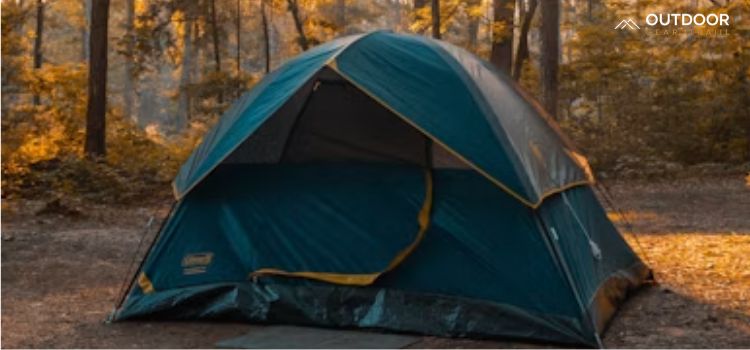
There is nothing quite like the experience of unzipping your tent door in the morning to the smell of pine trees, fresh coffee brewing on a camp stove, and the sun casting a golden glow over the misty landscape. But that idyllic moment can quickly turn into a shivering, soggy nightmare if you picked the wrong shelter.
Whether you are planning casual weekend car-camping trips with family, backpacking deep into the backcountry, or braving winter snowstorms, choosing the right tent is the single most important gear decision you will make.
Camping Tent Buying Guide
Consider factors such as the tent’s weight, size, and weather resistance to ensure it meets your specific needs. Look for materials that provide durability without sacrificing portability, especially if you’ll be hiking to your campsite. Ventilation is also crucial; a well-ventilated tent can prevent condensation buildup that could dampen your comfort. Additionally, think about the ease of setup, as a complicated design can lead to frustration after a long day on the trail. Ultimately, investing time in selecting the right tent will enhance your outdoor experience and keep you safe and comfortable in various conditions.
1. Determine Your Camping Style (The Most Critical Step)
Before looking at a single fabric swatch or aluminum pole, you need to honestly ask yourself: How and where am I actually going to use this tent?
Gear manufacturers categorize tents primarily by their intended environment and mode of transport. Buying a heavy, multi-room mansion for a solo backpacking trip is a recipe for physical exhaustion, while taking a fragile ultralight shelter on a rugged family car-camping trip might leave you cramped and wet.
A. Car Camping Tents
- Who it’s for: Campers who drive right up to their campsite, state parks, and established campgrounds.
- Key traits: Comfort, height, and space reign supreme. These tents are heavy, bulky, and feature vertical walls so you can often stand up inside. They prioritize large vestibules, multiple doors, and luxurious interior pockets. Weight is irrelevant because your car does the heavy lifting.
B. Backpacking Tents
- Who it’s for: Hikers, backpackers, mountaineers, and bikepackers who carry everything on their backs.
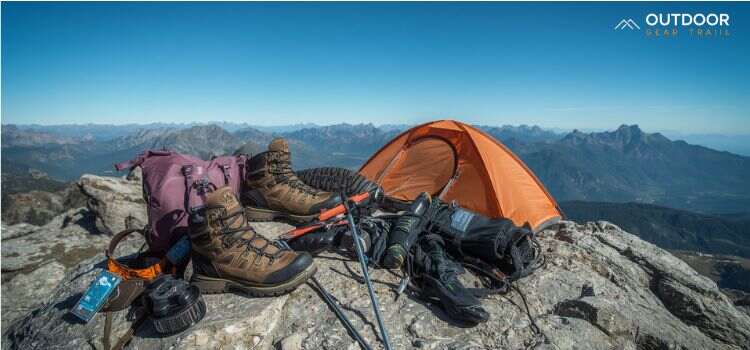
- Key traits: Lightweight, compact, and aerodynamic. Every single ounce matters. They feature low profiles to resist high winds and use high-tech, featherlight fabrics and carbon-fiber or thin aluminum poles. Space is optimized for sleeping rather than lounging.
C. Mountaineering / 4-Season Tents
- Who it’s for: Advanced adventurers tackling winter camping, high-altitude mountaineering, or brutal weather conditions.
- Key traits: Extreme durability. They utilize heavy-duty fabrics, robust pole structures (often geodesic domes), and steep walls or snow skirts designed to shed heavy loads of wind-driven snow.
2. Demystifying Tent Capacity (The “Sardine” Rule)
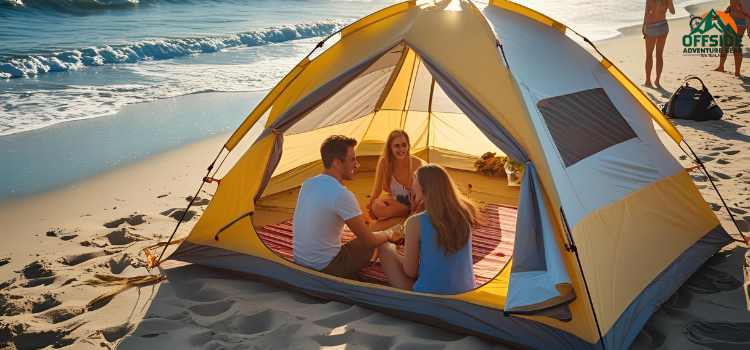
One of the most common complaints among novice campers is tent sizing. If a tent manufacturer labels a shelter a “3-Person Tent,” take a deep breath and apply the golden rule of camping gear: Subtract one person for actual comfort.
- 1-Person Tents: Perfect for solo minimalists. However, if you are broad-shouldered or like keeping your gear inside the tent with you rather than the vestibule, consider a 2-person tent instead. The weight penalty is usually minor.
- 2-Person Tents: The gold standard for solo backpackers who want extra room, and a tight squeeze for couples. If you are sleeping side-by-side on standard 20-inch sleeping pads, you will be touching shoulders.
- 3 to 4-Person Tents: Ideal for couples who want room to move, pets, or space for a child.
- 5+ Person Tents (Family Tents): If you are car camping with a family, look at tents rated for 6 or 8 people if you want room for cots, gear, and bad-weather board game sessions.
Pro Tip: Always check the floor dimensions (length × width) and peak height specifications rather than just relying on the person-capacity label. If you are over 6 feet tall, verify the floor length is at least 84 inches so your head and feet don’t brush the damp tent walls.
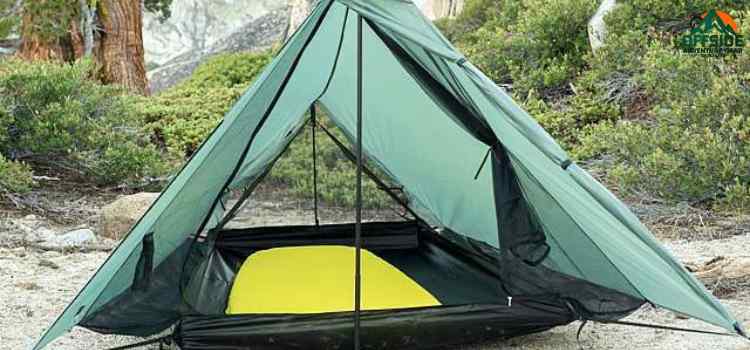
3. Understanding Season Ratings
Tent season ratings indicate the weather conditions the shelter is engineered to endure. Choosing the wrong rating can lead to structural failure or extreme discomfort.
+--------------------+---------------------------------------------------+
| Season Rating      | Best Used For                                     |
+--------------------+---------------------------------------------------+
| 3-Season Tents     | Spring, Summer, Autumn (Rain, mild wind, bugs)    |
| 3-to-4 Season      | Extended shoulder seasons with minor snowloads    |
| 4-Season Tents     | Severe winter storms, high winds, heavy snow      |
+--------------------+---------------------------------------------------+
3-Season Tents
These are the most popular tents on the market. They are designed for mild to moderate conditions during spring, summer, and early fall. They feature generous mesh panels on the inner tent body to maximize ventilation and stargazing on clear nights, paired with a waterproof rainfly that can be staked down when storms roll in. They handle heavy rain and moderate winds brilliantly, but they are not built to support heavy accumulations of wet snow or hurricane-force gales.
4-Season Tents
Built for harsh winter environments, high-altitude mountaineering, and exposure above tree lines. They feature robust, cross-over pole configurations that create a rigid dome capable of shedding heavy snow loads. They use heavier fabrics, have fewer mesh panels (to trap warm air and keep out spindrift snow), and often include snow flaps at the base to anchor the tent with rocks or snow.
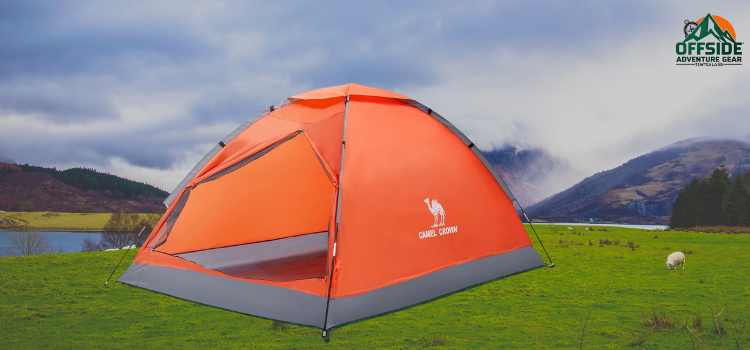
4. Anatomy of a Tent: Materials and Construction
Understanding what a tent is built from helps you balance durability, weight, and budget.
A. Tent Poles
- Aluminum: The undisputed king of tent poles. Brands like DAC make lightweight, aerospace-grade aluminum poles that flex under high winds rather than snapping. If an aluminum pole does bend under extreme duress, it can often be repaired in the field with a splint sleeve.
- Fiberglass: Found almost exclusively in cheap, budget-friendly car-camping tents. Fiberglass is heavy, prone to splintering over time, and far less durable than aluminum.
B. Tent Fabrics & Denier Ratings
Fabric thickness is measured in Denier (D). A lower denier (e.g., 15D or 20D) means lighter, thinner threads used for ultralight backpacking. A higher denier (e.g., 68D or 150D) means thicker, heavier, highly abrasion-resistant fabric built for rugged family camping.
- Nylon vs. Polyester: Nylon is strong and lightweight, but it absorbs moisture and can sag when wet (requiring you to re-tension your guy lines). Polyester is naturally more UV-resistant and does not absorb water, making it a favorite for large rainflies that sit out in the sun for days at a time.
- Silnylon & Sil-Poly: Fabrics impregnated with silicone on one or both sides to make them completely waterproof and tear-resistant.
C. Waterproof Ratings (Hydrostatic Head)
Waterproofness is measured in millimeters via a Hydrostatic Head (HH) test. A fabric with a 1,200mm rating can withstand a 1,200mm column of water pressing against it before leaking through.
- Look for a minimum rating of 1,200mm to 1,500mm for backpacking tents, and 2,000mm or higher for rugged car-camping tent floors, which experience high pressure points from body weight and sleeping pads.
5. Key Features to Look For
When comparing models side-by-side, pay close attention to these functional details:
- Doors and Vestibules: Two doors are a game-changer for multi-person tents—no one has to crawl over their sleeping partner in the middle of the night to use the restroom. Vestibules (the covered porch area outside the tent door under the rainfly) are essential for storing muddy boots and wet packs out of your living space.
- Ventilation: Condensation is the enemy of a dry night. Warm breath and body moisture rise, hit the cold underside of the rainfly, and condense into water droplets that rain down on you. Look for tents with high-low venting systems, adjustable rainfly vents, and mesh doors to promote airflow.
- Setup Design: Freestanding tents (which can stand on their own without being staked out) are vastly easier to pitch, move, and shake out than non-freestanding tents. Color-coded pole clips and hubs make setting up camp in the dark or rain a breeze.
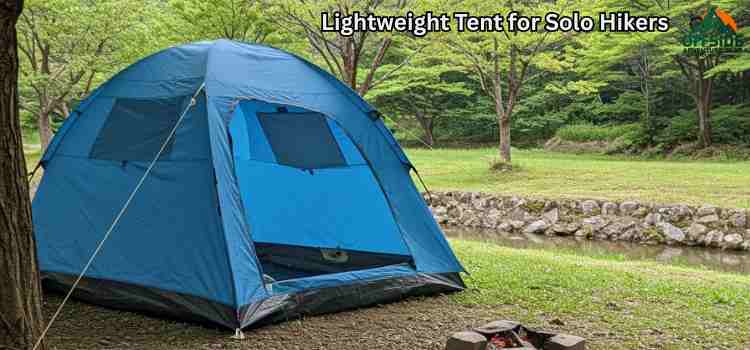
6. Real-World Field Tips for Tent Longevity
Purchasing a quality tent is an investment. Proper field care ensures it lasts for decades of adventures:
- Always Use a Footprint (Groundsheet): A footprint protects the thin tent floor from sharp rocks, twigs, pine needles, and abrasive dirt. Make sure the footprint is slightly smaller than your tent’s footprint so rain doesn’t pool on top of it.
- Never Store Wet: If you pack your tent away wet, mold and mildew will colonize the fabric within 48 hours, destroying the waterproof coating and leaving a permanent musty smell. Always air-dry your tent completely before long-term storage.
- Choose Your Site Wisely: Look for natural windbreaks (like boulders or stands of trees), avoid setting up in low spots where water pools during heavy rain, and clear away sharp debris before laying down your ground cloth.
Ultimate Camping Tent Buying Guide: How to Choose the Right Tent
There is nothing quite like the experience of unzipping your tent door in the morning to the smell of pine trees, fresh coffee brewing on a camp stove, and the sun casting a golden glow over the misty landscape. But that idyllic moment can quickly turn into a shivering, soggy nightmare if you picked the wrong shelter.
Whether you are planning casual weekend car-camping trips, backpacking deep into the backcountry, or braving unpredictable weather, choosing the right tent is the single most important gear decision you will make.
1. Determine Your Camping Style
Before looking at fabric swatches or aluminum poles, ask yourself how and where you will actually use the tent. Gear categories range from heavy, spacious car-camping setups to lightweight backpacking shelters designed to endure high winds and rugged trails.
2. Demystifying Tent Capacity
A golden rule in camping gear: subtract one person from the manufacturer’s rating for actual comfortable sleeping space and gear storage. A 2-person tent fits one solo backpacker luxuriously or two people very snugly.
3. Understanding Season Ratings
Most tents are 3-season models built for spring, summer, and autumn rains and mild winds. True 4-season tents are engineered for heavy winter snowloads and high-altitude mountaineering.
Kelty Grand Mesa Backpacking Tent (2P / 4P)
Looking for a reliable, beginner-friendly 3-season shelter? The Kelty Grand Mesa features lightweight aluminum poles, Quick-Corner technology for lightning-fast setup, and rugged weather protection without breaking the bank.
Conclusion: Making Your Final Choice
Choosing the right tent comes down to balancing your budget, the types of environments you plan to explore, and how much weight you are willing to carry. If you are starting out, a reliable 3-season, freestanding 2 or 3-person tent with aluminum poles and a full-coverage rainfly is the most versatile choice you can make.
Take your time, read user reviews from real campers, and envision your next weekend getaway. The perfect trailside shelter is out there waiting for you.
What kind of camping adventures are you planning this season? Leave a comment below if you have any questions about specific tent models or features!